
Flowers
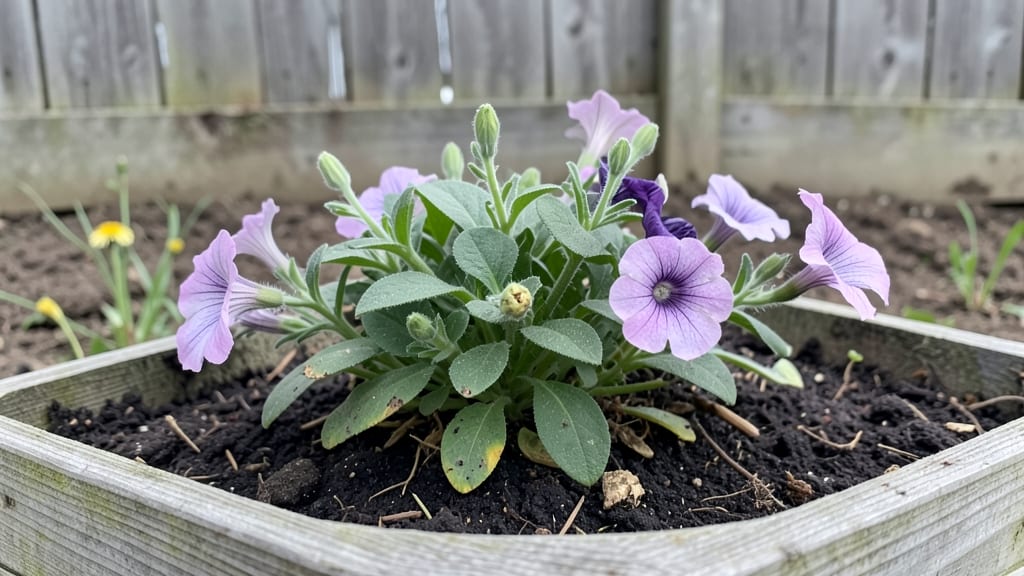
The flower growing process from seed to bloom is a journey packed with tiny but critical moments that determine whether your garden thrives or fizzles.
Watching a delicate bloom unfurl from a tiny seed is one of nature’s most magical processes—but without understanding the precise stages, even the most eager gardeners can miss critical moments that make or break success.
From the first sprout peeking through soil in spring to the vibrant 🌸 that crowns your efforts, each phase demands different care. In Zone 6a, timing matters most: plant in March–April, but know that skipping a single watering or misjudging sunlight can stall growth for weeks.
Here’s the step-by-step guide to mastering every stage—so you can go from seed to showstopping bloom without a hitch.
The 7 critical stages of flower growth from seed to full bloom
Understanding the flower growing process transforms guesswork into garden success. Each stage—from a tiny seed to a vibrant bloom—has unique needs that determine whether your flowers thrive or struggle.
I’ve grown everything from zinnias to lavender, and these seven stages reveal the exact moments where small adjustments yield big rewards. Whether you’re a beginner or a seasoned gardener, knowing these milestones helps you provide the right care at the right time.
Skipping even one stage can stunt growth or prevent blooming entirely. For example, overwatering seedlings causes rot, while underfeeding during budding results in weak stems. Each phase demands specific conditions—like 6+ hours of sunlight for photosynthesis or well-draining soil to prevent root disease.
Let’s break down what happens at each stage and how to support your plants through their journey.
| Stage | Key Milestones | Environmental Needs | Care Tips |
|---|---|---|---|
| 1. Germination | Seed cracks, radicle emerges, first leaves appear | Warm soil (60-75°F), moisture, indirect light | Keep soil damp, avoid direct sunlight, use seed trays |
| 2. Seedling | True leaves form, root system develops | Bright light (12-16 hrs), 60-70°F, humidity | Thin seedlings, fertilize lightly, harden off before transplant |
| 3. Vegetative | Stems thicken, foliage grows rapidly | Full sun, consistent water, balanced fertilizer | Stake tall varieties, mulch to retain moisture, prune leggy growth |
| 4. Budding | Flower buds form, color develops | Cool nights, reduced water, phosphorus-rich fertilizer | Remove spent leaves, support heavy buds, avoid overwatering |
| 5. Flowering | Blooms open, pollinators visit | Full sun, regular water, deadhead spent blooms | Harvest flowers in morning, fertilize lightly, watch for pests |
| 6. Pollination | Pollinators transfer pollen, fertilization occurs | Warm days, breezy conditions, pollinator-friendly plants | Plant companion flowers, avoid pesticides, provide water sources |
| 7. Seed Set | Seed pods form, mature, and dry | Reduced water, warm temperatures, full sun | Collect seeds when pods turn brown, dry seeds indoors, store properly |
The first stage, germination, is where it all begins. A seed absorbs water, swells, and cracks open to reveal the radicle (the embryonic root). This process typically takes 3-14 days, depending on the flower type and conditions.
For example, marigolds sprout in just 5-7 days, while foxgloves can take up to 3 weeks. To speed things up, maintain consistent moisture and warmth—aim for soil temperatures between 60-75°F. Avoid direct sunlight during this phase, as it can dry out the soil too quickly.
Once the seedling stage begins, your plants will develop their first true leaves (not the initial seed leaves). This is a critical time for light exposure—seedlings need 12-16 hours of bright light daily to prevent leggy growth. If growing indoors, supplement with grow lights to mimic sunlight.
During this phase, I’ve found that thinning seedlings is essential. Overcrowded seedlings compete for nutrients, leading to weak stems. Use small scissors or your fingers to remove the weaker plants, leaving the strongest ones with 2-3 inches of space.
As your flowers enter the vegetative stage, they’ll focus on growing leaves and stems rather than blooming. This is when you’ll see rapid foliage expansion and the development of a robust root system.
To support this growth, ensure your plants receive full sun (6+ hours daily) and consistent watering. This is also the ideal time to fertilize lightly with a balanced 10-10-10 NPK fertilizer. I recommend applying fertilizer every 4-6 weeks to avoid overloading the plants.
If you notice leggy growth, prune the stems just above a leaf node to encourage bushier development.
The budding stage
How to optimize each flower growth stage for maximum blooms
Every flower follows a predictable growth cycle, and understanding each stage lets you fine-tune care for bigger, healthier blooms. From the first seedling sprouts to bud formation, small adjustments in light, water, and nutrients can transform a struggling plant into a vibrant showstopper.
The key? Tailoring your approach to match the plant’s current needs rather than treating all stages the same.
For example, seedlings crave moisture but overwatering can drown them, while budding plants need phosphorus-rich fertilizer to support flower development. Skipping these optimizations often leads to stunted growth, weak stems, or poor blooms. Let’s break down how to support each phase for maximum impact.
⚠️ Critical Mistake: Over-Fertilizing Seedlings
Young seedlings are extremely sensitive to high nitrogen levels, which can cause leafy growth at the expense of roots. Wait until the third set of true leaves appears before applying balanced fertilizer (10-10-10). Overdoing it now leads to leggy, weak stems that flop under their own weight.
💡 Pro Tip: Use half-strength fertilizer if you must feed early—just 1 teaspoon per gallon of water.
Start with the seedling stage, where gentle care prevents damping-off disease. Use seedling trays with drainage holes and keep soil consistently moist (not soggy).
Place trays under grow lights or in a south-facing window for 12–14 hours of light daily. Avoid cold drafts, which can shock delicate roots.
As plants enter the vegetative stage (2–4 weeks old), shift focus to root development. Increase light exposure to 6+ hours and introduce low-nitrogen fertilizer (like 5-10-10) to encourage stronger stems.
Prune yellowing leaves immediately—they steal energy from new growth. This is also when you can harden off seedlings for outdoor transplanting.
The budding stage is where most gardeners make their second-biggest mistake: skipping phosphorus. Switch to a high-phosphorus fertilizer (5-10-5) to fuel flower formation. Reduce watering slightly—soggy soil during budding causes blossom end rot in many varieties.
Keep plants in bright, indirect light (like a east-facing window) to prevent heat stress.
Finally, during full bloom, prioritize support and deadheading. Stake tall flowers like delphiniums before they flop under rain. Remove spent blooms daily to encourage new flowers and prevent seed formation (which drains energy).
For perennials, mulch around the base to protect roots during hot afternoons or early frosts.