
Vegetables
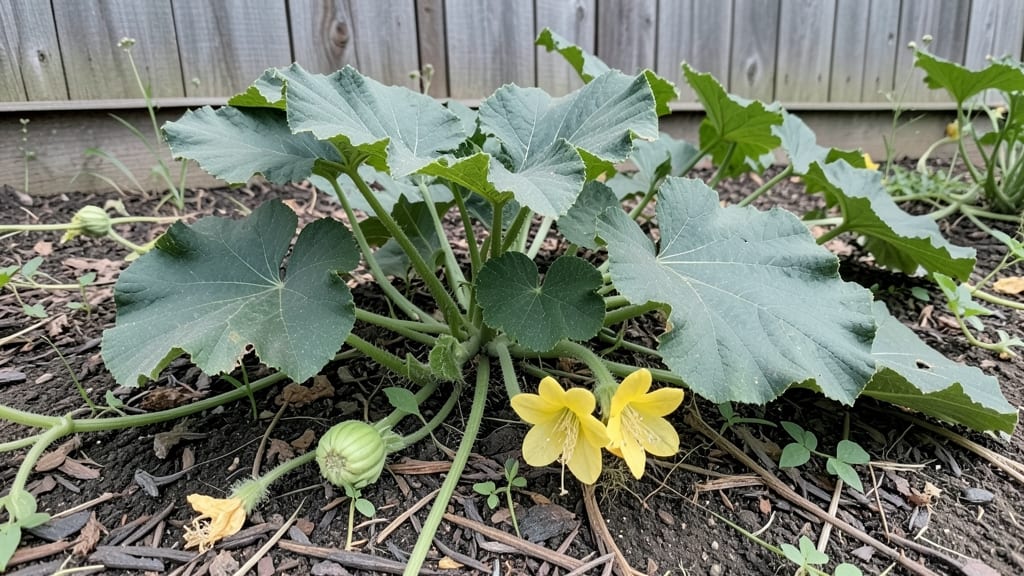
Growing flower-shaped squash 🎋 transforms your garden into a living work of art—these striking varieties produce edible fruits that look like delicate blooms.
Imagine harvesting squash that resembles delicate flowers—these rare, ornamental varieties add stunning visual appeal to your garden while producing edible fruits. Growing flower-shaped squash is easier than you think, and these unique plants will become the centerpiece of your outdoor space.
With just 6-8 hours of sunlight and well-draining soil, you can cultivate varieties like Turk’s Turban or Romanesco, known for their intricate patterns and vibrant colors. These plants thrive in USDA Zone 6a and beyond, making them perfect for spring planting after the last frost.
From planting seeds in April to harvesting in July, I’ll walk you through every step—so you can enjoy both beauty and bounty in your garden this season.
10 Stunning flower-shaped squash varieties perfect for home gardens
Flower-shaped squash varieties are nature's artistic masterpieces—each fruit boasts intricate patterns and vibrant hues that resemble blooming flowers. These ornamental edibles bring both beauty and bounty to your garden, thriving in USDA Zones 3-10 with minimal fuss.
Whether you crave delicate ribbing or bold geometric designs, these varieties will transform your harvest into a visual feast.
From the Turkish Banana's elegant crescents to the Crown of Thorns' spiky elegance, each type offers unique characteristics that suit different garden styles. These heirloom varieties are perfect for both culinary use and garden decor, making them a favorite among gardeners who love dual-purpose plants.
| Variety | Shape | Color | Size | Days to Maturity | Unique Feature |
|---|---|---|---|---|---|
| Turkish Banana | Crescent | Yellow/Green | 6-8" | 60-70 days | Delicate ribbing |
| Crown of Thorns | Spiky Globe | Green/White | 8-10" | 75-85 days | Thorny exterior |
| Fairytale | Star-Shaped | Yellow/Orange | 5-6" | 55-65 days | Five-pointed tips |
| Delicata | Ribbed Cylinder | Green/White | 6-8" | 80-90 days | Edible skin |
| Hubbard | Turban-Shaped | Gray/Green | 12-15" | 100-120 days | Long storage life |
| Cocozelle | Zigzag | Green/White | 8-10" | 65-75 days | Italian heirloom |
| Romanesco | Fractal Spiral | Green | 6-8" | 90-100 days | Mathematical patterns |
| Sweet Dumpling | Miniature Ball | Yellow | 3-4" | 50-60 days | Sweet flavor |
| Long Island Cheese | Pumpkin-Shaped | Yellow/Orange | 8-10" | 85-95 days | Dense flesh |
Blue
How to grow flower-shaped squash from seed: step-by-step guideFlower-shaped squash varieties like Cocozelle and Turkish Banana bring artistic beauty to your garden while delivering delicious harvests. Their unique, elongated shapes resemble blooming flowers, but they require specific care to thrive. With the right soil conditions, sunlight exposure, and watering routine, you’ll coax these ornamental squash into producing stunning fruits. Let’s break down the process into simple, actionable steps. Before planting, ensure your garden space meets the 6-8 hours of full sun requirement—these varieties are sun-lovers and won’t tolerate shade. Flower-shaped squash also prefer well-draining soil enriched with compost to support their vigorous growth. If your soil is heavy clay, consider amending it with organic matter or planting in raised beds for optimal drainage. Start seeds indoors 4-6 weeks before your last frost date, or sow directly outdoors after all danger of frost has passed.
Step 1: Prepare Your Soil
Test soil pH (aim for 6.0-7.0) and amend with compost or aged manure to improve fertility. Work in a 2-3 inch layer of organic matter into the top 12 inches of soil.
Step 2: Plant Seeds at the Right Depth
Sow seeds 1 inch deep, spacing them 3-4 feet apart in mounds or hills. This spacing prevents disease spread and allows vines to sprawl naturally.
Step 3: Provide Full Sun Exposure
Choose a location with 6-8+ hours of direct sunlight daily. Morning sun is ideal to reduce pest pressure and prevent fungal diseases.
Step 4: Water Deeply and Consistently
Water at the base of plants to keep soil moist but not soggy. Aim for 1-2 inches of water per week, adjusting for rain. Avoid wetting leaves to prevent mildew.
Step 5: Fertilize for Optimal Growth
Apply a balanced 10-10-10 fertilizer at planting and again when vines start running. Use 1 tablespoon per plant every 4-6 weeks during the growing season.
Step 6: Monitor for Pests and Diseases
Watch for cucumber beetles and powdery mildew. Use row covers early in the season and practice crop rotation to minimize risks.
Step 7: Harvest at Peak Ripeness
Harvest when the rind is hard and color is deep. Use a sharp knife to cut stems, leaving a 1-inch stem attachment to preserve shelf life. Flower-shaped squash thrives when given plenty of space to sprawl, so avoid overcrowding. If your garden has limited space, consider training vines along a trellis or fence—this not only saves room but also improves airflow, reducing the risk of fungal diseases. Mulch around plants with straw or shredded leaves to retain moisture and suppress weeds, which can compete for nutrients. One of the biggest challenges with these varieties is pest control. Squash bugs and aphids are common culprits, but you can deter them by planting marigolds or nasturtiums nearby. Handpick pests early in the morning when they’re sluggish, or use an organic insecticidal soap if infestations persist. Regularly inspect leaves for signs of damage, and remove any affected foliage promptly to prevent spread. With proper care, your flower-shaped squash will reward you with vibrant, edible fruits that double as garden decor. These varieties are perfect for roasting, stuffing, or even carving—just like their more traditional cousins. Start your seeds today, and in just a few months, you’ll be harvesting a bounty of beautiful, flavorful squash that’s sure to impress! 🌱 |