
Trees
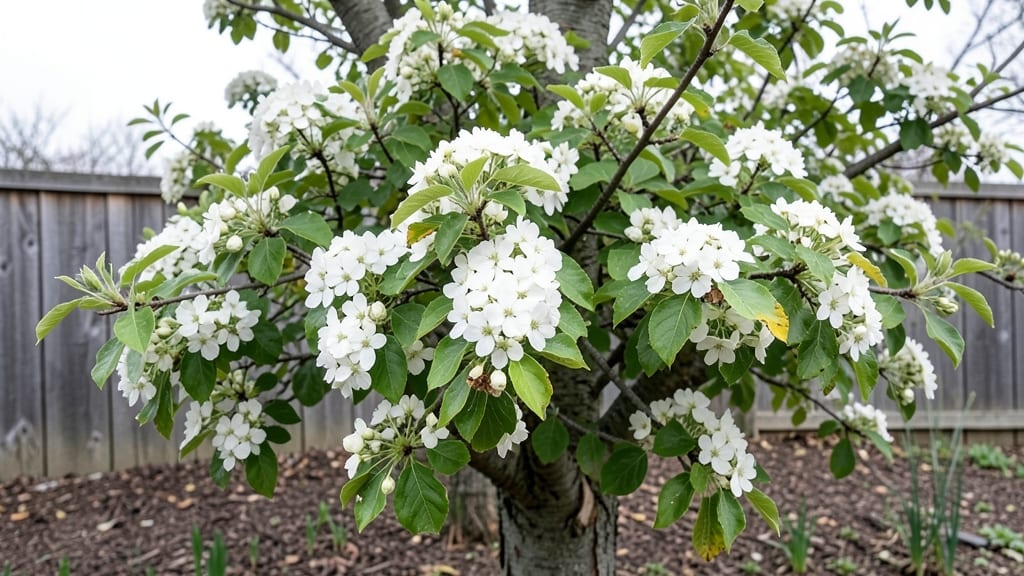
That flowering pear leaf is your early warning sign—yellowing, curling, or spots mean trouble before the branches do, so act fast to preserve your tree’s health and those breathtaking spring blooms.
Those subtle leaf signals might seem minor now, but ignoring them can lead to weak growth, fewer flowers, and even long-term damage. The good news? Most issues have simple fixes once you know what to look for.
In this guide, I’ll walk you through the most common leaf problems—from fungal diseases to pest attacks—and how to diagnose them fast. You’ll also discover preventative care to keep your tree thriving year-round, so you can enjoy its beauty without the stress.
Whether it’s leaf spot, aphids, or environmental stress, you’ll learn exactly what’s wrong and how to fix it before it spreads. Let’s get your flowering pear back to its best!
Flowering pear leaf problems: visual symptoms and root causes
Your flowering pear tree (Pyrus calleryana) relies on healthy leaves to produce those stunning spring blooms and maintain its structural strength. When leaves start showing unusual patterns, it’s your tree’s way of signaling distress—whether from nutrient deficiencies, pests, or environmental stress.
The key to saving your tree lies in recognizing these visual clues early and acting fast.
I’ve seen yellowing leaves that looked like autumn early, black spots that spread like ink, and chewed edges that made the tree look like a buffet for pests. Each symptom tells a different story, and missing the details can turn a minor issue into a full-blown crisis.
Let’s break down the most common leaf problems and their hidden causes so you can diagnose—and fix—them before they worsen.
🌿 Quick Tip: Always examine the underside of leaves first—this is where many pests hide and early signs of disease appear.
Before diving into specifics, here’s a snapshot of the most frequent flowering pear leaf issues and their root causes:
Let’s start with the most alarming: black spots with yellow halos. This is almost always a fungal infection like Alternaria leaf spot, which thrives in wet, humid conditions. I’ve seen this spread like wildfire in summer afternoons when overhead watering keeps leaves damp.
The fungus enters through tiny wounds or stomata, and before you know it, entire branches look like a confetti explosion of decay.
If you spot curling leaves, don’t ignore the undersides—that’s where spider mites or aphids set up camp. These pests suck sap, causing leaves to curl inward like a turtle’s shell.
Check for fine webbing (mite sign) or sticky honeydew (aphid residue). Aphids also attract sooty mold, turning leaves black and blocking sunlight.
💡 Pro Tip: Use a hand lens to inspect leaf edges—early pest damage often starts as tiny punctures or silver trails.
Now, if your flowering pear leaves are turning yellow between the veins (a condition called chlorosis), your tree might be starving for iron. This is
Step-by-step fixes for flowering pear leaf diseases and pests
When your flowering pear tree’s leaves show signs of distress—like black spots, sticky residue, or curling edges—it’s time to act. These symptoms often signal fungal infections, pest infestations, or nutrient deficiencies.
The good news? Most issues can be reversed with targeted treatments and proper care. Start by identifying the problem, then apply the most effective fix for your tree’s specific needs.
For fungal diseases like anthracnose or powdery mildew, organic sprays containing neem oil or baking soda are your first line of defense. If aphids or scale insects are sucking the life out of your leaves, introduce beneficial insects like ladybugs or use insecticidal soap.
Soil amendments, such as compost or slow-release fertilizer, can address nutrient deficiencies causing yellowing or stunted growth.
If your flowering pear leaves show large brown patches, premature leaf drop, or wilting branches, these could indicate advanced fungal infections or root rot. Prune infected branches immediately with sterilized shears, remove fallen leaves, and apply a copper fungicide to stop the spread.
Without intervention, the disease can kill your tree within weeks.
Begin with pruning to remove damaged leaves and infested branches. Use sharp, clean pruners to avoid spreading disease, and dispose of infected foliage in a sealed bag. For fungal issues, apply a neem oil spray (2 teaspoons per gallon of water) every 7-10 days until symptoms improve.
This natural remedy disrupts fungal spores without harming beneficial insects.
To combat pests like aphids, spray your tree with a soapy water solution (1 tablespoon of mild dish soap per quart of water). For scale insects, scrape them off with a soft brush and follow up with a horticultural oil spray.
Encourage natural predators like ladybugs or lacewings by planting companion flowers such as marigolds or dill nearby.
If your flowering pear’s leaves are yellowing due to iron deficiency, amend the soil with chelated iron or composted leaves. For magnesium deficiency, apply Epsom salt (1 tablespoon per gallon of water) as a foliar spray.
Always water deeply after applying amendments to help nutrients penetrate the soil and reach the roots.
Finally, mulch around the base of your tree with organic mulch like wood chips or straw to retain moisture and improve soil health. Avoid piling mulch against the trunk, as this can trap moisture and promote rot.
With consistent care, your flowering pear will regain its lush, healthy foliage and continue to bloom beautifully for years.