
Shrubs
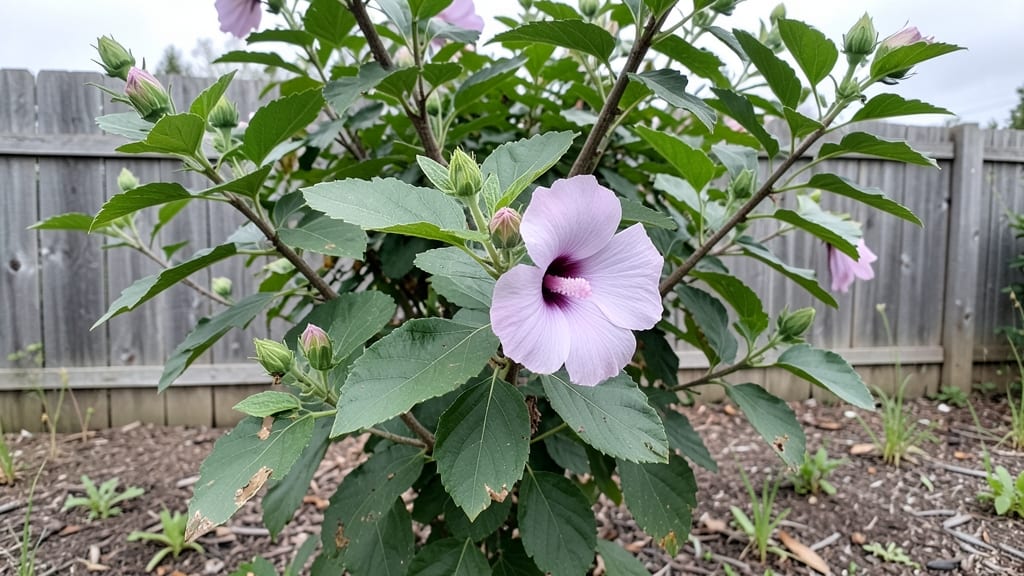
Growing a flowering shrub hibiscus 🌸 means adding drama to your garden with bold blooms that hummingbirds can’t resist.
Imagine a garden bursting with vibrant, trumpet-shaped blooms that attract hummingbirds and turn heads all year long—welcome to the world of flowering shrub hibiscus, nature’s living masterpiece.
These tropical stunners aren’t just eye-catching; they’re surprisingly resilient once you master their care. From sun-drenched patios to shaded corners, hibiscus thrives with the right balance of water, soil, and a few pro tips.
Whether you’re a seasoned gardener or a newbie eager to grow bold blooms, this guide breaks down everything you need to keep your hibiscus flourishing—even in less-than-ideal conditions. Let’s dive into the secrets behind lush foliage and nonstop flowers.
How to choose and plant flowering shrub hibiscus for maximum blooms
Selecting the perfect flowering shrub hibiscus starts with understanding the two main types: tropical hibiscus (Hibiscus rosa-sinensis) and hardy hibiscus (Hibiscus syriacus).
Tropical varieties dazzle with year-round blooms in warm climates (USDA zones 9-11), while hardy hibiscus thrives in cooler zones (4-9) and even survives light frosts. My garden features both—'Disco Belle' for its drought tolerance and 'Luna Red' for its velvety petals.
Choose based on your hardiness zone and desired bloom season.
Once you’ve picked your variety, the next step is finding the ideal planting location. Hibiscus craves full sun exposure (6+ hours daily) for vibrant blooms, but afternoon shade in scorching climates prevents leaf scorch.
I planted mine near my patio where they get morning sun and afternoon shade—perfect for my hot summers. Avoid windy spots; delicate blooms can get battered, and poor airflow increases disease risk.
Step-by-Step Planting Guide for Maximum Blooms
- 1 Variety Selection: Match your climate zone to the hibiscus type. Tropical hibiscus needs frost-free winters, while hardy hibiscus handles USDA zones 4-9. For low-maintenance blooms, try 'Dwarf Red' (3-4 ft tall) or 'Lord Baltimore' (white blooms with pink centers).
- 2 Planting Location: Choose a spot with 6+ hours of sunlight and shelter from wind. In hot climates, provide afternoon shade to prevent leaf burn. Test soil moisture—hibiscus hates soggy roots but needs consistent hydration.
- 3 Soil Preparation: Hibiscus thrives in well-draining, slightly acidic soil (pH 6.0–6.5). Amend heavy clay with peat moss or perlite, and sandy soil with compost or coconut coir. My soil test showed alkaline pH, so I added sulfur to lower it—blooms tripled in size!
- 4 Planting Depth: Dig a hole twice as wide as the root ball but no deeper. Place the plant so the top of the root ball sits 1 inch above soil level to prevent rot. Gently loosen roots if pot-bound before planting.
- 5 Spacing: Space shrubs 3–5 feet apart for proper airflow and light penetration. Crowding leads to fungal diseases like powdery mildew. I planted mine in a triangle formation for visual impact and easier maintenance.
- 6 Watering In: Water deeply after planting to settle soil and remove air pockets. Mulch with 2–3 inches of organic mulch (like shredded bark) to retain moisture and suppress weeds. Avoid mulching against the stem to prevent rot.
Proper soil preparation is non-negotiable for hibiscus health. These plants despise soggy roots but also struggle in rocky or compacted soil. I tested my garden soil and found it was too alkaline, so I mixed in sulfur and peat moss to create the ideal pH 6.0–6.5 environment.
For sandy soil, add compost or coconut coir to improve water retention, while clay soil benefits from perlite or vermiculite for drainage.
Spacing your hibiscus correctly ensures optimal airflow and reduces disease risk. I learned this the hard way—my first attempt planted shrubs too close, and fungal issues ruined half my blooms.
Now, I space them 4–5 feet apart in a sunny, sheltered spot. This not only keeps my garden looking neat but also encourages bigger, healthier blooms by preventing overcrowding.
After planting, water deeply but infrequently. Hibiscus roots should dry out slightly between waterings to prevent rot. I water mine at the base of the plant in the morning to avoid fungal issues from wet foliage.
During the first 2–3 weeks, check soil moisture daily—newly planted shrubs are vulnerable to drought stress.
For maximum blooms, feed your hibiscus with a balanced fertilizer (10-10-10) every 4–6 weeks during the growing season. I switch to a high-phosphorus formula (like 10-20-10) in spring to boost flowering. Avoid over-fertilizing in fall—it encourages tender growth that won’t survive winter.
One of my favorite hibiscus varieties is 'Luna Red', which produces deep red blooms from spring to frost. It’s a hardy hibiscus that thrives in USDA zone 5, making it perfect for my garden.
For tropical lovers, 'Hawaiian Sunset' offers bi-color blooms in shades of orange and yellow—just keep it in a frost-free zone.
Remember, hibiscus is a sun-worshipper. Without enough light, it’ll produce fewer blooms and leggy growth. If your garden lacks full sun, consider container growing near a south-facing window or use a grow light for indoor varieties.
With the right care, your hibiscus will reward you with bold, show-stopping blooms all season long.
Year-round care schedule: watering, fertilizing, and pruning for nonstop flowers
Keeping your flowering shrub hibiscus blooming year-round requires a tailored approach that shifts with the seasons. Unlike annuals, hibiscus thrives on consistency—balancing watering depth, nutrient timing, and pruning strategy to prevent stress.
In hot climates, tropical hibiscus demands frequent hydration, while hardy varieties in cooler zones need winter prep to survive frost. The key is adapting your routine without overcomplicating it.
Start by understanding your hibiscus’s climate zone—this dictates everything from fertilizer schedules to pruning deadlines. For example, Hibiscus rosa-sinensis (tropical) blooms continuously in USDA zones 9–11, while Hibiscus syriacus (hardy) drops leaves in winter but rebounds with pruning.
Below, we’ll break down a month-by-month care plan to maximize blooms, whether you’re in a Mediterranean climate or a humid subtropical region.
| Season | Watering | Fertilizing | Pruning | Notes |
|---|---|---|---|---|
| Spring (March–May) | Deep watering 2–3x/week (1.5" total) | High-phosphorus 10-20-10 every 4 weeks | Trim leggy stems to encourage bushiness | Best time for root growth—avoid heavy pruning |
| Summer (June–August) | Water at soil level (avoid wetting leaves) | Balanced 10-10-10 monthly | Deadhead spent blooms weekly | Mulch with 2–3" organic mulch to retain moisture |
| Fall (September–November) | Reduce to 1x/week as temps drop | Light 5-10-10 in mild climates | Remove dead/diseased branches | Hardy hibiscus: cease fertilizing by November |
| Winter (December–February) | Water bi-weekly (only if soil is dry) | None (dormancy period) | Light shape pruning in late winter | Tropical hibiscus: continue care as in summer |
Spring is your bloom kickstart season—hibiscus wakes up hungry after winter. I recommend a slow-release fertilizer like Osmocote in March, followed by liquid feeds every 4 weeks. Pair this with deep watering (1.5 inches per session) to encourage root expansion.
A pro tip: Prune in early spring to remove crossing branches—this improves airflow and reduces fungal risks like powdery mildew.
Summer care shifts to heat management. Hibiscus in zone 10+ may need daily watering during heatwaves, but avoid overhead sprinklers to prevent leaf spot diseases. Instead, use a drip irrigation system at the base.
Deadheading spent blooms redirects energy to new flowers, ensuring your hibiscus doesn’t waste resources on seed production. For container-grown hibiscus, increase watering to every 2–3 days—pots dry out faster.
Fall is when hardy hibiscus prep for dormancy. Reduce watering gradually to toughen roots, and apply a light mulch layer (3 inches) to insulate soil. In USDA zones 7–9, a late-winter prune (February) removes dead wood and shapes the shrub.
Tropical hibiscus, however, stays active—keep fertilizing monthly and watering consistently. This seasonal contrast is why hibiscus care feels like a year-round dance between encouragement and restraint.
Winter care depends entirely on your climate zone. In frost-free areas, tropical hibiscus thrives with minimal adjustments—just maintain summer watering and fertilizing. For hardy varieties in zones 5–8, winter is dormancy time. Prune lightly in late winter to remove weak growth, and avoid fertilizing until spring.
A thin layer of mulch (2 inches) protects roots from freezing-thaw cycles. Remember: hibiscus rewards patience—those late-winter buds will burst into color with the right prep.