
Size
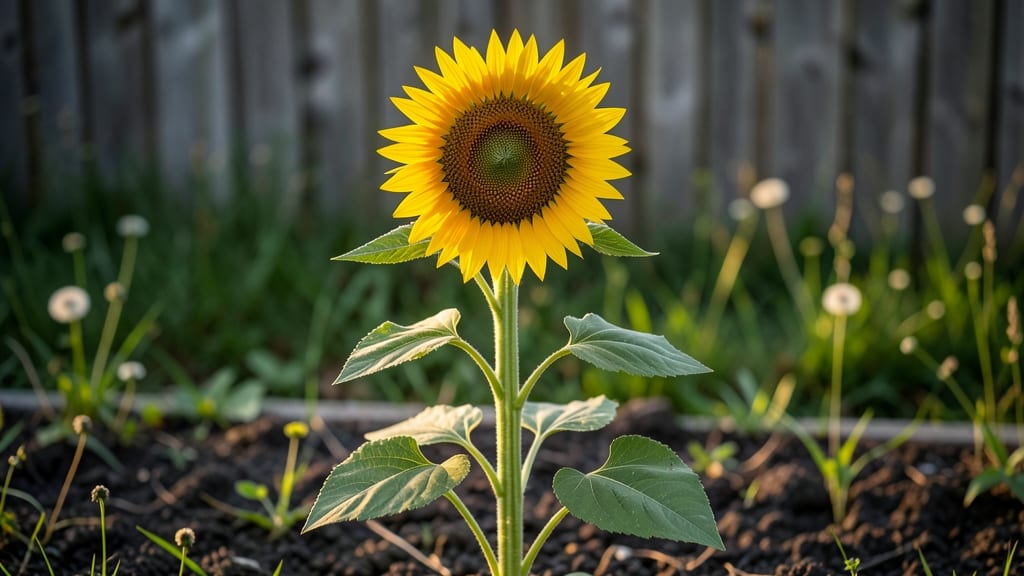
Sunflowers grow to heights that can range from 2 feet to over 15 feet, depending on the variety you choose 🌻 — and knowing those ranges is the key to planning a garden that works for you.
Imagine planting a towering 'Mammoth' next to a delicate 'Teddy Bear', only to watch the giant lean into your fence while the dwarf gets lost in its shadow. That’s why matching varieties to your space—and your patience—isn’t just about aesthetics.
Taller sunflowers need more room to sway without toppling, while dwarf types thrive in pots or small gardens. But height isn’t just about space—it also affects how much water they drink, how sturdy they need to be staked, and even when they’re ready to harvest.
In this guide, I’ll break down the exact height ranges for popular varieties, how to pick the right one for your garden, and the simple tricks to keep them standing tall—no matter how big they get.

Sunflower height ranges by variety type: dwarf to giant
Sunflowers aren't one-size-fits-all—some stay compact enough for patio pots while others stretch taller than your garage door. The height of sunflowers depends entirely on the variety you choose, with ranges spanning from 2 feet to over 14 feet.
This dramatic variation means you can tailor your garden to fit any space, whether you're creating a cut flower display or adding vertical interest to a small balcony.
Understanding these height categories helps with everything from garden spacing to support needs. Dwarf varieties thrive in containers, medium types work well in borders, and tall giants make bold statements in backyards or fields.
Let's explore how to match the right sunflower to your vision—starting with the shortest and working our way up to the sky-reaching giants.
Dwarf sunflowers like 'Teddy Bear' or 'Moulin Rouge' stay under 4 feet, making them perfect for container gardening or adding color to patios. Their compact size means they rarely need staking, and their cheerful faces bloom quickly—often within 60–70 days.
These varieties also produce edible seeds, just like their taller cousins, but on a more manageable scale.
Medium-height varieties (6–8 feet) strike a balance between garden versatility and maintenance ease. Popular choices like 'Autumn Beauty' or 'ProCut' (a hybrid bred for cut flowers) thrive in border plantings or as focal points in cottage gardens.
Their height makes them ideal for cut flower arrangements, as stems remain sturdy enough to hold their own weight without flopping.
Tall sunflowers (8–12 feet) demand more space and support but reward gardeners with dramatic vertical interest. Varieties like 'Mammoth' or 'Russian Giant' can reach 12 feet or taller, requiring heavy-duty stakes or even trellises in windy climates.
These giants are best suited for open fields or the back of large gardens, where their towering presence won't obstruct sunlight for shorter plants.
For the ultimate sunflower experience, giant varieties like 'American Giant' or 'Colossus' can surpass 14 feet, rivaling the height of a two-story building. These aren't just for show—they're record-breakers that require rich soil, consistent watering, and extra support to prevent toppling.
Plant them in groups of 3–5 for mutual support, and give
How sunflower height affects garden planning and support needs
The height of sunflowers directly impacts every aspect of your garden plan—from spacing to staking to even how you water them.
A 6-foot 'Teddy Bear' needs completely different care than a 14-foot 'Mammoth', and ignoring these differences can turn your dream garden into a tangled mess of flopping stems and crowded plants.
Taller varieties require wider spacing (up to 3 feet between plants) to prevent competition for nutrients and sunlight, while dwarf types can thrive in tight clusters or containers.
But it’s not just about space—tall sunflowers also need extra wind resistance and often staking support to avoid snapping in storms or heavy rains.
Here’s the key takeaway: height determines your entire care strategy. Whether you’re dealing with root instability in giants or overcrowding in dwarfs, understanding these needs upfront saves you time, frustration, and even lost plants.
Height Matters: Your Sunflower Care Checklist
Spacing: 12"
Support: None
Water: 1 gal/plant
Spacing: 18"
Support: Optional
Water: 1.5 gal/plant
Spacing: 24"
Support: Stakes
Water: 2 gal/plant
Spacing: 36"
Support: Heavy stakes
Water: 3+ gal/plant
If you’re growing giant sunflowers like 'Russian Giant' or 'American Giant', you’ll need to plan for heavy-duty stakes—think 3-inch diameter bamboo stakes or even metal garden supports buried 18 inches deep.
These varieties can grow 15 feet tall, and without support, they’ll flop over like overgrown weeds, wasting all your hard work.
For medium-height varieties (like 'Autumn Beauty' or 'ProCut'), staking is optional but recommended if your garden gets strong winds or heavy rain. A simple tomato cage or soft plant tie can work wonders, keeping stems upright without restricting growth.
Even a light bamboo stake tied loosely at the base can make a difference.
Dwarf sunflowers, on the other hand, are the low-maintenance champions of the garden. Varieties like 'Pocket Sun' or 'Moulin Rouge' stay compact (2-4 feet) and rarely need staking.
They’re perfect for container gardening, small balconies, or even window boxes, making them ideal for urban gardeners or those with limited space.
One final tip: height affects harvest timing. Taller sunflowers often take longer to mature (up to 120 days for giants), while dwarfs may be ready in as little as 50 days.
Plan your garden layout so you’re not left with oversized flops while your shorter varieties are already done blooming.