
Blooming
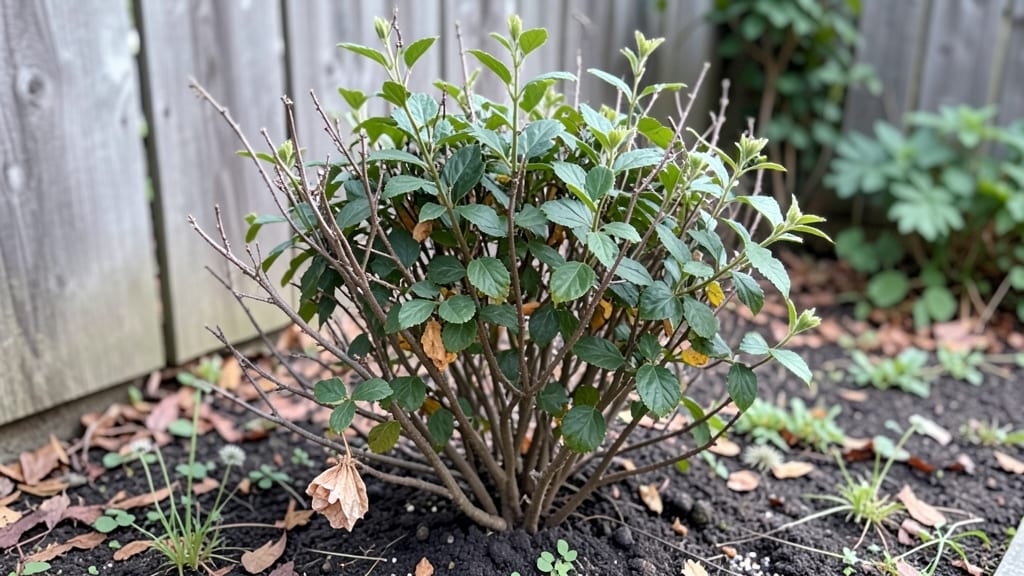
Your hibiscus stopped flowering because it’s sending all its energy into leaves instead of blooms—and I’ve cracked the code to fix that. 🌺 The problem usually boils down to sunlight starvation, overwatering, or a nutrient imbalance that tricks the plant into thinking it’s time to grow, not flower.
I’ve seen this exact issue with my own tropical hibiscus, and the solution is simpler than you’d think: adjust watering, feed it the right nutrients, and give it the light it craves.
Start by checking your hibiscus’s watering routine—too much moisture stresses roots, while too little causes buds to drop. Stick your finger 2 inches into the soil; if it’s damp, wait before watering again.
Then, add a balanced fertilizer with higher phosphorus (the middle number) to encourage blooming, and repeat every 4-6 weeks during growing season. Most gardeners overlook this, but it’s the game-changer that brings back those showstopping flowers.
Within 6-8 weeks, you’ll notice new buds forming at the tips of branches, and by late summer, your hibiscus will be covered in blooms again.
The key is consistency: keep the soil slightly moist but never soggy, feed it regularly, and make sure it gets at least 6 hours of direct sunlight daily. Once you see those first buds, you’ll know you’ve got it right—and your neighbors will be asking for your secret.
For extra insurance, prune back leggy growth in early spring to encourage bushier, more productive branches. This isn’t just about fixing the problem—it’s about setting your hibiscus up for years of reliable blooms.
Trust me, once you see those first flowers after a dry spell, you’ll never take them for granted again.
Why it happens
When your hibiscus plant suddenly goes quiet—no more vibrant blooms—it’s usually a cry for help from its roots, leaves, or environment. Understanding the why behind the silence is the first step to bringing back those showstopping flowers.
Let’s break down the most common culprits, backed by science, so you can diagnose and fix the issue like a pro.
🌱 Nutrient Deficiencies: Starving for Growth Fuel
Hibiscus are heavy feeders, and when they lack key nutrients, they prioritize leaf growth over flowers. The most critical deficiencies include:
- Nitrogen (N) imbalance: Too much nitrogen (common in over-fertilized plants) promotes lush foliage but stops flower buds from forming. Hibiscus need a balanced 6-10-10 or 8-3-9 fertilizer ratio (NPK) to encourage blooming. ⚠️ Warning: Excess nitrogen can also burn roots, worsening the problem.
- Phosphorus (P) shortage: Phosphorus is the "flower power" nutrient—it triggers bud development. If soil tests show levels below 30-50 ppm, your hibiscus may be struggling to produce blooms. 💡 Pro Tip: Use a phosphorus-rich fertilizer (like bone meal) or compost tea to boost levels naturally.
- Potassium (K) deficiency: Potassium strengthens cell walls and aids in flower formation. Symptoms like yellowing leaf edges or weak stems often signal a lack of K. Aim for soil potassium levels of 100-200 ppm.
- Micronutrient gaps: Even tiny deficiencies in magnesium, calcium, or boron can halt flowering. For example, boron deficiency (common in acidic soils) causes deformed flowers or bud drop. A chelated micronutrient spray can rescue struggling plants.
☀️ Light & Temperature Stress: Too Hot, Too Cold, or Just Wrong
Hibiscus are tropical divas—they need bright, indirect light (6-8 hours of sun daily) and consistent warmth (65–85°F). Push them outside these ranges, and they’ll shut down blooming:
- Insufficient light: Hibiscus grown in low-light conditions (e.g., deep shade or north-facing windows) stretch their stems and produce tiny, sparse blooms. Fix: Move plants to a south- or west-facing spot or supplement with grow lights (12,000–15,000 lux) for 14 hours/day.
- Temperature swings: Hibiscus hate drafts, AC vents, or sudden cold snaps (below 50°F). Cold stress triggers bud drop or prevents new buds from forming. ✨ Solution: Keep them in stable indoor temps or use a heat mat (for potted plants) in winter.
- Overheating: Scorching afternoon sun (especially in zones 9+) can bleach leaves and halt flowering. 🌡️ Fix: Provide afternoon shade with a sheer curtain or move plants to dappled sunlight.
💧 Watering Woes: Drowning or Dehydrating
Hibiscus roots need consistent moisture but hate soggy feet. Too much or too little water sends them into survival mode—no flowers allowed!
- Underwatering: Dry soil triggers bud drop and stunted growth. Hibiscus roots should never dry out completely. 🔥 Check: Stick your finger 2 inches into the soil—if it’s dry, water deeply until runoff.
- Overwatering: Waterlogged soil suffocates roots, cutting off nutrient uptake. Hibiscus in containers are especially vulnerable. 🌊 Fix:
- Use pots with drainage holes.
- Water only when the top 1–2 inches of soil are dry.
- Add perlite or sand to improve drainage.
- Hard water buildup: Excess minerals (like calcium) in tap water can clog soil pores and prevent nutrient absorption. 💡 Solution: Use rainwater or filtered water and flush the soil monthly with distilled water.
🌿 Pruning & Age Factors: Overdue for a Reset
Even healthy hibiscus can stop flowering if they’re overgrown, improperly pruned, or past their prime.
- Lack of pruning: Hibiscus bloom on new growth. If you never trim them, they’ll focus energy on old, woody stems instead of fresh flowers. ✂️ Fix:
- Prune 1/3 of the plant in early spring to encourage vigorous regrowth.
- Cut back dead or leggy branches to the nearest leaf node.
- Root-bound stress: Potted hibiscus with circular roots (roots growing in a circle around the pot) can’t absorb enough water/nutrients. 🌱 Solution: Repot into a container 2–4 inches larger with fresh, well-draining soil.
- Old age: Hibiscus typically live 10–15 years, but flowering slows as they mature. 🔄 Fix: Rejuvenate by cutting back 50% of the plant in late winter to stimulate new growth.
🐛 Pests & Diseases: Silent Saboteurs
Hidden invaders can drain your hibiscus’s energy, leaving it too weak to bloom.
- Aphids, spider mites, or scale insects: These sap-sucking pests weaken plants by blocking nutrient flow. Look for sticky residue (honeydew) or yellowing leaves. 🐜 Fix:
- Spray with neem oil or insecticidal soap (repeat every 5–7 days).
- Introduce ladybugs or lacewings for natural control.
- Fungal diseases (e.g., powdery mildew, root rot): Overwatering or high humidity creates the perfect breeding ground. Symptoms include white powdery patches or black, mushy stems. 🍄 Fix:
- Remove infected leaves immediately.
- Apply copper fungicide or a baking soda spray (1 tsp baking soda + 1 quart water + few drops of soap).
- Improve air circulation around the plant.
Revive Your Hibiscus Blooms Now
If your hibiscus has stopped flowering, don’t panic—there’s always a way to bring back those vibrant blooms! The key is identifying the root cause and taking targeted action. Below, we’ve mapped out practical solutions for each common issue, along with prevention tips to keep your hibiscus thriving long-term.
Let’s get those flowers back in full force! 🌸💥
🌱 Fixing Nutrient Deficiencies: Feed for Flowers
If your hibiscus is starving for essential nutrients, it’ll focus on leaves over blooms. Here’s how to correct the imbalance:
🔥 Step 1: Test Your Soil
Use a simple soil test kit (available at garden centers) to check pH and nutrient levels. Hibiscus thrives in slightly acidic soil (pH 6.1–6.5). If the pH is off, amend it gradually with:
- Lime (for acidic soil) – Sprinkle 1–2 tbsp per plant and water well.
- Sulfur (for alkaline soil) – Mix 1 tbsp into the top 2 inches of soil.
🍳 Step 2: Fertilize for Blooms
Hibiscus needs a balanced, bloom-boosting fertilizer with higher phosphorus (the middle number). Look for a formula like 6-10-6 or 8-3-9 (NPK ratio). Apply:
- Every 4–6 weeks during spring and summer (when blooming is active).
- Reduce in fall/winter—hibiscus rests then and needs less food.
- Avoid high-nitrogen fertilizers (like lawn food)—they promote leafy growth, not flowers! 🚫
💡 Pro Tip:
For a quick nutrient boost, use liquid bloom fertilizer (like Miracle-Gro Bloom Booster) and apply it every 2 weeks during peak growing season. Dilute to half-strength to avoid burning roots.
🌡️ Prevention:
Schedule regular feeding and soil testing (every 6–12 months). Mulch with compost or well-rotted manure to slowly release nutrients.
☀️ Adjusting Light & Temperature: Give It the Right Conditions
Hibiscus is a sun-worshipper—too little or too much light (or extreme temps) can halt flowering. Here’s how to fix it:
👨🍳 Step 1: Optimize Sun Exposure
Most hibiscus varieties need 6–8 hours of direct sunlight daily. If yours is in shade:
- Move it gradually—start with 4 hours of morning sun, then increase over 2 weeks.
- Use a sunny window or grow light (12–14 hours/day) for indoor plants.
- Avoid harsh afternoon sun in hot climates—use light shade cloth (30–50%) to prevent leaf scorch.
⏰ Step 2: Regulate Temperature & Humidity
Hibiscus hates cold drafts and extreme heat. Ideal temps:
- Daytime: 70–85°F (21–29°C)
- Nighttime: No lower than 60°F (15°C)
- Humidity: 50% or higher (use a humidifier or pebble tray if indoors).
If temps drop below 50°F (10°C), bring potted hibiscus indoors or cover outdoor plants with frost cloth.
🎯 Prevention:
Place hibiscus in a south- or west-facing spot (for northern hemisphere) and avoid air-conditioning vents or heaters. Group plants together to create a microclimate with stable humidity.
💧 Fixing Water Woes: Hydrate the Right Way
Overwatering or underwatering stresses hibiscus, causing it to drop buds or stop flowering. Here’s how to get it just right:
🥘 Step 1: Check the Soil Moisture
Stick your finger 1–2 inches into the soil. If it’s:
- Dry: Water deeply until it drains from the bottom.
- Soggy: Let it dry out slightly before watering again.
Rule of thumb: Water when the top 1–2 inches of soil feel dry (usually 2–3 times per week in summer, less in winter).
🔪 Step 2: Improve Drainage
Hibiscus hates wet feet. If your plant is in a pot:
- Ensure the pot has drainage holes. If not, repot it.
- Use a well-draining mix like 60% potting soil + 30% perlite + 10% sand.
- Add a 2-inch layer of gravel or broken pottery at the bottom of the pot for extra drainage.
✨ Prevention:
Water in the morning (not evening) to reduce evaporation and fungal risks. Mulch with bark or straw to retain moisture without waterlogging.
🌿 Pruning & Care: Encourage New Growth
If your hibiscus is overgrown or stressed, a little pruning can trigger fresh blooms. Here’s how:
🍃 Step 1: Prune for Shape & Health
Use clean, sharp shears to:
- Trim dead or yellowing leaves to redirect energy to new growth.
- Cut back overly leggy stems by ⅓ to encourage bushier, more compact growth.
- Remove spent blooms (deadhead) to prevent seed formation and encourage more flowers.
🌱 Step 2: Stimulate New Growth
After pruning, give your hibiscus a light feeding with a bloom fertilizer to kickstart recovery. If it’s in a pot, consider repotting into slightly larger container (just 1–2 inches wider) to refresh the roots.
💡 Pro Tip:
For tropical hibiscus, a light winter prune (late winter/early spring) helps remove weak growth and prepares the plant for spring blooming. Never prune in fall—it can stunt next year’s flowers.
🎯 Prevention:
Prune regularly (every 6–8 weeks) to maintain shape and remove dead growth. Wear gloves—hibiscus leaves can be prickly!
🐛 Pest & Disease Control: Keep It Healthy
Pests like aphids, whiteflies, or fungal diseases (like powdery mildew) sap your hibiscus’s energy, leading to fewer blooms. Act fast with these fixes:
🚫 Step 1: Identify & Remove Pests
Check leaves/stems for:
- Aphids/whiteflies: Spray with neem oil (2 tsp + 1 tsp mild soap per quart of water) or insecticidal soap.
- Spider mites: Wipe leaves with a damp cloth; use horticultural oil if severe.
- Mealybugs: Scrape off with
Frequently asked questions
Why does my hibiscus suddenly stop flowering after years of blooms?
Hibiscus often pause flowering due to nutrient imbalances—especially too much nitrogen (which fuels leaves) or a lack of phosphorus (the "flower power" nutrient). Check your fertilizer ratio (aim for 6-10-6 or 8-3-9 NPK) and test your soil pH (ideal: 6.1–6.5). Overwatering or root stress can also signal the plant to prioritize survival over blooms.
How do I know if my hibiscus needs more light or less?
Stretchy stems with sparse blooms mean insufficient light, while leaf scorch or wilting signals too much direct sun. Hibiscus thrive with 6–8 hours of bright, indirect light daily. For indoor plants, supplement with grow lights (12,000–15,000 lux) if natural light is limited. Gradually acclimate plants to more sun to avoid shock.
Can pruning bring back flowers, or will it delay them?
Pruning can absolutely revive blooms—hibiscus flower on new growth! Trim back 1/3 of leggy stems in early spring to encourage bushier, more productive branches. Avoid heavy pruning in fall, as it can stunt next year’s buds. Always use clean shears and remove spent blooms regularly to prevent seed formation.
What’s the fastest way to encourage new buds after a dry spell?
Rehydrate the soil deeply but infrequently—water until runoff appears, then let the top 1–2 inches dry before watering again. Pair this with a phosphorus-rich fertilizer (like bone meal) and ensure stable temperatures (65–85°F). Within 4–6 weeks, you should see new buds forming at the tips of branches.
Should I worry if my hibiscus drops buds before they open?
Bud drop is usually a stress signal—common causes include temperature swings (below 50°F), overwatering, or sudden fertilizer changes. Keep the plant in consistent warmth and avoid moving it frequently. If pests or fungal issues are present, treat them immediately with neem oil or a mild soap spray to restore energy to bud formation.