
Size
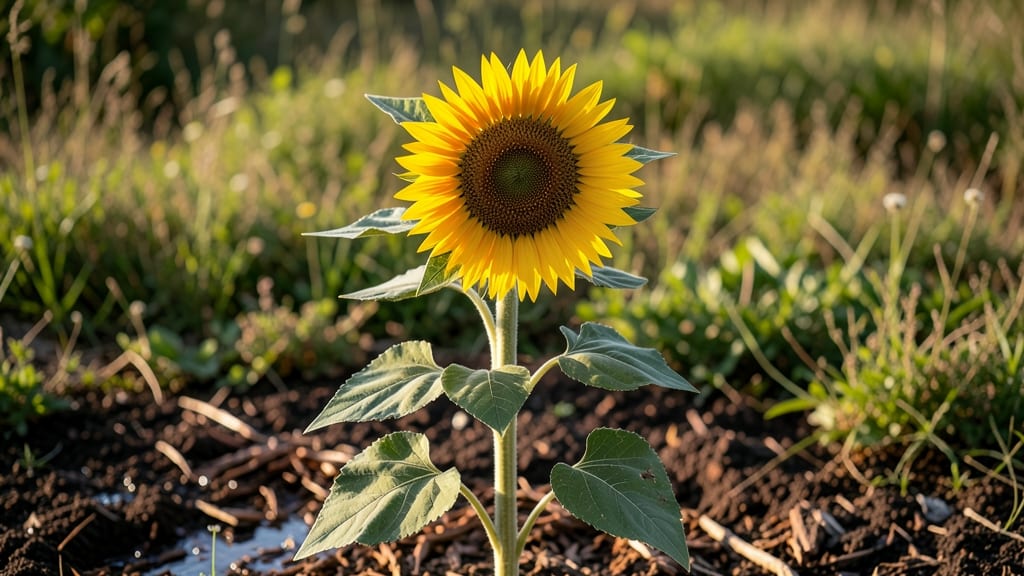
How tall do sunflower plants get? They can be as short as 1 foot or tower up to 16 feet—depending on the variety you pick, the soil you plant them in, and how much sun they soak up.
Imagine this: a tiny 🌻 barely taller than your knee, then a neighbor’s giant sunflower blocking the sidewalk—both from the same seed packet. The difference comes down to choosing the right type for your space and giving it the care it needs to reach its full potential.
Whether you’re dreaming of a privacy screen, a cut-flower bouquet, or just a playful pop of color, knowing your sunflower’s height helps you plan spacing, supports, and even where to place it in your garden.
Below, I’ll break down the height ranges of popular varieties, what affects their growth, and how to pick the perfect sunflower for your yard—no guesswork included.


Sunflower height ranges: from dwarf varieties to towering giants
Sunflowers come in an astonishing range of heights, from compact dwarf varieties perfect for containers to towering giants that rival trees. The height you choose dramatically impacts your garden layout, from cutting gardens to privacy screens.
Understanding these ranges helps you pick the perfect variety for your space and goals.
Most sunflowers reach their mature height within 80-120 days of planting, with some varieties continuing to grow until frost. Their final height depends on genetics, growing conditions, and care. Even within the same variety, individual plants can vary by 1-2 feet based on sunlight and soil quality.
| Height Category | Mature Height | Popular Varieties | Best Uses | Visual Comparison |
|---|---|---|---|---|
| Dwarf | 1-3 ft | 'Teddy Bear', 'Moulin Rouge', 'Little Becka' | Containers, borders, cutting gardens | Taller than a standard patio chair |
| Semi-Dwarf | 3-6 ft | 'Autumn Beauty', 'ProCut', 'Sunspot' | Cut flowers, pollinator gardens, small screens | About the height of a basketball hoop |
| Standard | 6-10 ft | 'Russian Giant', 'Mammoth', 'American Giant' | Privacy screens, focal points, bird feed | Taller than a standard door frame |
| Tall | 10-14 ft | 'Giant Russian', 'Colossus', 'Mammoth Russian' | Windbreaks, dramatic backdrops, pollinator magnets | Taller than most garage doors |
| Giant | 14-16+ ft | 'Russian Giant (Russian Mammoth)', 'Sunflower 'Mammoth' | Architectural focal points, large-scale gardens, windbreaks | Taller than a 2-story building window |
Dwarf sunflowers (1-3 feet) are ideal for small spaces, containers, and urban gardens. Varieties like 'Teddy Bear' and 'Little Becka' produce compact blooms perfect for cutting or adding color to patios. Their manageable size makes them beginner-friendly and great for pollinator-friendly borders.
Semi-dwarf varieties (3-6 feet) strike a balance between size and manageability. These sunflowers work well in mixed flower beds or as cutting garden staples. Their height makes them accessible for harvesting while still providing a dramatic vertical element in the landscape.
Standard sunflowers (6-10 feet) are the most versatile choice for many gardeners. They provide privacy screening along fences or patios while still being manageable with proper spacing. Varieties like 'Russian Giant' are excellent for bird feed as their large seed heads attract wildlife.
Tall sunflowers (10-14 feet) become architectural features in larger gardens. These varieties create windbreaks and dramatic backdrops for other plants. Their height makes them perfect for photogenic garden designs, but they require sturdy staking to prevent flopping in windy conditions.
Giant sunflowers (14-16+ feet) are the true giants of the sunflower world. These varieties can reach taller than a basketball hoop and need ample space to thrive. They're best suited for large rural gardens or as statement plants in open fields where they can grow unimpeded.
When planning your sunflower garden, consider not just the height but also the spread of each variety. Even dwarf sunflowers can spread 2-3 feet wide, while giant varieties may require 4-6 feet of clearance all around.
Proper spacing prevents overcrowding and ensures each plant gets adequate sunlight and nutrients.
For container growing, stick to dwarf or semi-dwarf varieties in pots at least 12 inches wide and deep. Larger containers (18+ inches) can accommodate semi-dwarf varieties, but giant sunflowers will quickly outgrow even the biggest pots and need in-ground
How to choose the right sunflower height for your garden space
Selecting the right sunflower height for your garden isn’t just about aesthetics—it’s about functionality. A 3-foot dwarf won’t block your view, while a 12-foot giant can create a stunning privacy screen or windbreak.
But how do you match the variety to your space? Let’s break it down by purpose and layout.
First, consider your garden layout. A small balcony or patio thrives with dwarf varieties (1–3 feet), while a spacious backyard can handle tall giants (8–16 feet).
For containers, even the largest sunflowers need at least 18-inch pots—but only if you’re okay with trimming or staking. Misjudging height leads to overcrowding or wasted space.
Sunflower Height Guide: Pros & Cons by Use
| Height Range | Pros | Cons | Best For |
|---|---|---|---|
| 1–3 ft (Dwarf) | Compact, great for containers, early blooms | Limited cut-flower yield, weak stems | Patios, small gardens, bird feeders |
| 3–6 ft (Semi-Dwarf) | Balanced height, sturdy stems, good for cutting | Still needs staking in windy areas | Cut flowers, borders, small hedges |
| 8–16 ft (Standard/Giant) | Dramatic focal points, windbreaks, shade | Requires strong supports, needs space | Privacy screens, large gardens, statement plants |
For cut flowers, prioritize semi-dwarf (3–6 feet) varieties like ‘Moulin Rouge’—they’re tall enough for bouquets but manageable without heavy supports. If you’re growing sunflowers for bird feed, opt for tall varieties (8+ feet) like ‘Russian Giant’; birds adore the seeds, and the height keeps them visible from indoors.
Need a privacy screen? Plant giant sunflowers (12+ feet) in a row, spaced 2–3 feet apart. Their dense foliage blocks views and reduces noise, but avoid planting them near power lines or roofs.
For shade, even medium-height varieties (5–8 feet) cast enough shadow to create a cozy spot under their blooms.
Avoid these common mistakes: planting giant sunflowers in small containers (they’ll topple), crowding tall varieties too closely (they’ll compete for sunlight), or ignoring wind exposure (stake all sunflowers over 5 feet). Instead, use bamboo stakes or cages for support and space them according to their mature height.
Pro tip: If you love the look of tall sunflowers but lack space, try pruning side shoots to encourage a single, sturdy stem. This keeps the height manageable while maximizing bloom size. With the right variety and care, your sunflower can be the perfect fit for your garden’s needs.