
Blooming
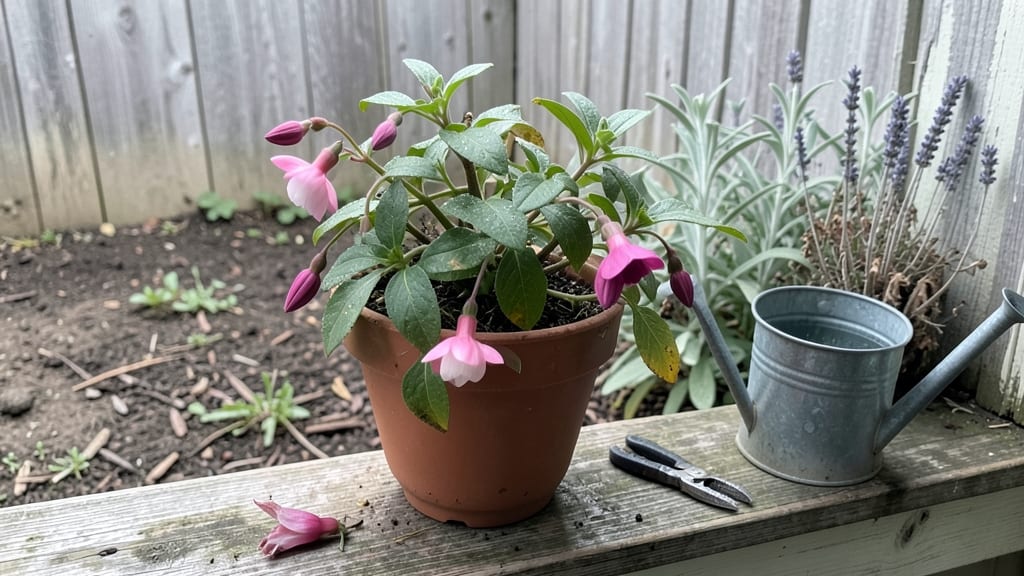
Keeping fuchsias flowering isn’t rocket science—it’s about matching their love of cool feet and gentle care to your growing conditions. 🌿 I’ve turned my porch into a nonstop bloom factory by treating them like the finicky divas they are: plenty of shade, cool roots, and a little coaxing when they get lazy.
The secret isn’t complicated, but it is consistent.
Most people overwater or prune at the wrong time, which sends fuchsias into a sulk. You’ll need well-draining soil, a spot with morning sun and afternoon shade, and a light hand with fertilizer—too much feeds leaves over flowers.
Deadheading spent blooms every few days keeps them producing, and a mid-season trim (after the first flush of flowers) prevents leggy stems.
By summer’s end, you’ll have fuchsias dripping with blooms from spring through fall, and with the right winter prep, they’ll even push new flowers indoors. The key is patience: fuchsias reward steady care with weeks of vibrant, velvety blooms that make every neighbor stop and stare.
Works for hanging baskets, patio pots, or even as houseplants with grow lights. Let’s get those flowers coming back thicker than ever—no more sad, bare stems in your garden.
📚 In This Guide
- What you need
- Instructions
- Tips and common mistakes
- Wrapping up and next steps
What you need
- ● Fuchsia plants: Choose healthy, mature varieties (e.g., Fuchsia magellanica, Fuchsia hybrida). Start with 2–5 plants for a vibrant display.
- ● Well-draining potting mix: 5–10 lbs of a blend with peat moss, perlite, and compost (or a pre-mixed fuchsia/shrub mix). Avoid heavy clay soil.
- ● Containers: Pots with drainage holes (6–12 inches in diameter). Terracotta or fabric pots work best.
- ● Slow-release fertilizer: A balanced 10-10-10 or 20-20-20 formula (1–2 lbs per plant). For organic options, use fish emulsion or compost tea.
- ● Watering can or hose with a gentle nozzle: Fuchsias hate soggy roots—aim for consistent moisture, not saturation.
- ● Pruning shears: Sharp, clean shears (sterilize with rubbing alcohol between cuts).
- ● Humidity tray or pebble tray: Helps mimic tropical conditions (especially for indoor fuchsias).
- ● Grow lights (LED or fluorescent): 12–14 hours of light daily if growing indoors (15W–20W bulbs per plant).
- ○ Mulch (optional): Pine bark or straw to retain moisture and regulate soil temp.
- ● Epsom salt (magnesium sulfate): 1 tbsp per gallon of water, used monthly for extra blooms.
- ● Insecticidal soap or neem oil: For aphid or spider mite prevention (keep a spray bottle handy!).
Step-by-Step instructions for encouraging fuchsia blooms
Here’s how I keep my fuchsias flowering nonstop—no fancy tools, just smart care.
🌿 Step 1: Prune for Shape and Growth
Fuchsias bloom best when they’re encouraged to branch out. I trim leggy stems back to a leaf node in early spring, just as new growth starts. This shock makes them produce side shoots, which hold more flowers. Use clean, sharp scissors to avoid tearing stems—dull blades crush the plant’s tissues.
Watch for the first flush of new leaves after pruning. That’s your signal the plant is focusing energy on fresh growth instead of just stretching upward. For trailing varieties, pinch back the tips of the longest stems to force bushier habits. I never cut more than a third of the plant at once—this keeps stress low and blooms coming.
☀️ Step 2: Position for Bright, Indirect Light
Fuchsias need morning sun but will scorch in hot afternoon rays. I place mine near an east-facing window or under a sheer curtain on the south side. The ideal spot gets 4-6 hours of bright, filtered light daily. Too little light means sparse blooms; too much direct sun turns leaves yellow and crispy.
Rotate your plants quarter-turn weekly so they grow evenly. You’ll notice leaves leaning toward the light? That’s your cue to move the pot. For indoor growers, a south-facing window with a sheer curtain works best—it blocks harsh rays while letting in plenty of light for blooming.
💧 Step 3: Water Consistently Without Overdoing It
Fuchsias hate soggy roots but also can’t handle drying out. I water when the top inch of soil feels dry—stick your finger in to check. Water deeply until it drains from the bottom, then empty the saucer after 10 minutes to prevent root rot. Overwatering is the #1 reason fuchsias stop blooming.
In summer, I water every 2-3 days, but adjust based on your home’s humidity. If leaves start curling or dropping buds, you’re either underwatering or overwatering. A simple fix: let the soil dry slightly more between waterings. Misting the leaves occasionally also helps—fuchsias love humidity, especially in dry indoor air.
✂️ Step 4: Deadhead and Feed for Continuous Blooms
Deadheading spent flowers keeps fuchsias producing new buds. I pinch off faded blooms with my fingers or snip them just above a leaf node. This simple step tricks the plant into thinking it’s still in bloom season, so it keeps flowering instead of going dormant.
Feed with a balanced liquid fertilizer (like 10-10-10) every 2-3 weeks during growing season. I dilute it to half-strength to avoid burning roots. Stop fertilizing in late fall—too much food then leads to leggy growth with few flowers. Watch for dark green leaves and rapid growth; that’s your sign the plant’s happy and blooming hard.
🪴 Step 5: Refresh Soil and Repot When Needed
Fuchsias bloom best in fresh, well-draining soil. I repot every 2-3 years or when roots circle the pot. Choose a container just 1-2 inches larger than the current one—bigger pots hold too much moisture and stunt blooms. Mix in perlite or sand to improve drainage.
After repotting, hold off on heavy feeding for 2 weeks—the shock of fresh soil gives the plant a nutrient boost. You’ll see new growth within 3-4 weeks, and flowers return stronger than ever. If your fuchsia’s leaves turn yellow, it’s often a sign the roots are bound or the soil’s depleted—time for a fresh start!
Tips & tricks for perfect fuchsia blooms
Here’s what I’ve learned from years of keeping fuchsias flowering like crazy—simple tricks that make all the difference.
The Pruning Secret: When you’re trimming in Step 1, look for stems with at least 3-4 sets of leaves before cutting. This ensures you’re leaving enough energy for new growth. I also prune just after a rain shower—plants are more resilient when hydrated. For trailing varieties, focus on the longest stems first to encourage bushier growth from the base.
Light Positioning Hack: In Step 2, if you don’t have an east-facing window, try placing your fuchsias 2-3 feet back from a south window with a sheer curtain. This mimics morning sun exposure. You’ll know you’ve got the right balance when leaves stay a vibrant green—not pale or yellow. I’ve even used a reflective surface (like a white board) behind the plant to bounce extra light onto the undersides of leaves.
Watering Wisdom: The 10-minute drain time in Step 3 is non-negotiable—it prevents root rot while ensuring the plant gets enough moisture. I test soil moisture by sticking my finger in 2 inches deep rather than just the top inch. If it feels dry at that depth, it’s time to water. For indoor plants, I add pebbles to the saucer and keep water there—this creates humidity that fuchsias love without soggy roots.
Fertilizer Timing: When feeding every 2-3 weeks in Step 4, I always fertilize in the morning. This gives the plant time to absorb nutrients before evening. I also switch to a low-phosphorus fertilizer (like 5-10-10) in late summer to prevent excessive leaf growth at the expense of flowers. The key is watching your plant—if new leaves are dark green and glossy, you’re feeding just right.
Pro Tips for Keep Fuchsia Flowering
- Here’s what I’ve learned from years of keeping fuchsias flowering like crazy—simple tricks that make all the difference.
- The Pruning Secret: When you’re trimming in Step 1, look for stems with at least 3-4 sets of leaves before cutting.
- Light Positioning Hack: In Step 2, if you don’t have an east-facing window, try placing your fuchsias 2-3 feet back from a south window with a sheer curtain.
Frequently asked questions
Got questions about keeping your fuchsias blooming? Here are answers to some of the most common queries—straight from fellow plant lovers who’ve been there!
Why isn’t my fuchsia blooming?
If your fuchsia is leafy but not flowering, it’s likely due to too much nitrogen (which encourages leaves over flowers) or not enough sunlight. Try switching to a balanced or high-phosphorus fertilizer and ensure it gets 4–6 hours of morning sun daily. Prune leggy stems to encourage new growth, and watch those blooms return!
How often should I fertilize fuchsias for continuous blooms?
Fuchsias thrive on regular, light feedings—aim for every 2–4 weeks during spring and summer with a liquid bloom booster (like 5-10-5 or 10-20-20 NPK ratio). In fall and winter, reduce to once a month or pause entirely if growth slows. Over-fertilizing can burn roots, so always dilute as directed!
Can I keep fuchsias flowering indoors year-round?
For indoor fuchsias, place them near a bright, south-facing window and supplement with a grow light (12–14 hours/day) in winter. Use cool water (not hot!) and mist leaves to mimic humidity. Rotate pots monthly so all sides get light, and pinch back spent blooms to redirect energy. With care, they’ll bloom indoors like outdoor stars!
What do yellow leaves mean on my fuchsia?
Yellow leaves often signal overwatering (check soil moisture—stick your finger in!), root rot, or nutrient deficiencies. Let the top inch of soil dry out between waterings, and trim affected leaves to redirect energy. If the issue persists, flush the soil with water to remove excess salts. For nutrient boosts, try a chelated iron supplement if leaves are pale yellow.
Are there low-maintenance fuchsia alternatives for busy gardeners?
If fuchsias feel like too much work, try these easy-blooming alternatives:
- Petunias – Thrive in sun, bloom nonstop, and handle neglect better.
- Begonias – Love shade and produce vibrant flowers with minimal fuss.
- Calibrachoa (Million Bells) – Drought-tolerant and bloom prolifically with little care.
- Salvia – Drought-resistant and attracts pollinators while needing almost no pruning.
Wrapping up and next steps
Keeping your fuchsias blooming year-round is all about consistent care, smart pruning, and a little seasonal tweaking—and you’ve got the tools to make it happen! 🌸 With the right balance of light, water, and nutrients, plus a few pro tricks like deadheading and winter prep, your fuchsias will reward you with vibrant blooms for seasons to come. Don’t stop here—grab those shears, check your light setup, and give your plants the love they deserve!
Ready to turn your garden (or balcony!) into a nonstop floral show? Start with one small step today—whether it’s pruning, fertilizing, or adjusting their winter cozy spot. Your fuchsias will thank you with gorgeous, blooming gratitude! 🌿✨