
Blooming
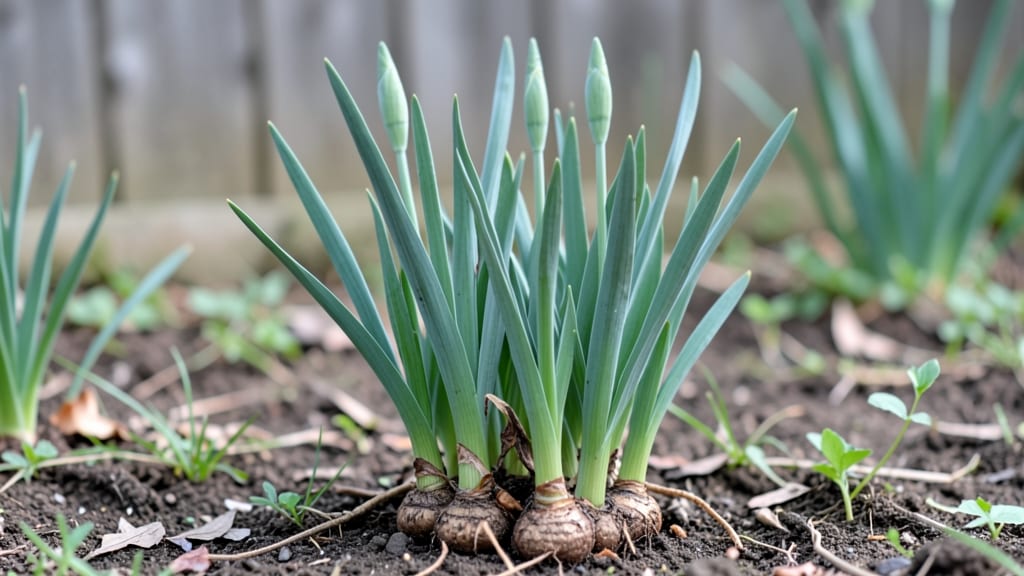
Your irises before flowering hold the secret to next year’s showstopping blooms—and most gardeners miss the clues.
Right now, while your garden looks quiet, those sword-like leaves are forming underground. A single misstep in care—like overwatering or ignoring leaf color—can turn a vibrant spring display into a disappointment. The good news? You can steer your irises toward their best performance with just a few simple checks.
Think of late winter as a health check for your irises. Strong roots, crisp foliage, and the right soil prep mean blooms that pop in spring. Below, I’ll walk you through what to look for and how to give your irises the best start.
From pruning to fertilizing, these key steps ensure your irises wake up ready to shine. Let’s get them blooming their brightest.
Key visual signs of healthy iris growth before flowering season
Irises may look dormant in late winter, but their underground growth tells the real story. Healthy rhizomes and root systems are storing nutrients for next season’s blooms. By recognizing these visual cues, you can ensure your irises are on track for a spectacular spring display.
First, check the leaf color of your irises. Vibrant green foliage emerging in early spring is a strong sign of health. Look for leaves that are upright and firm, not floppy or yellowing. Even before blooms appear, these leaves are busy photosynthesizing to fuel growth.
The rhizome exposure is another critical clue. Iris rhizomes should be partially exposed (about one-third above soil level) to prevent rot. If yours are buried too deep, blooms may struggle to emerge. Healthy rhizomes feel firm and plump, not mushy or shriveled.
Now, let’s break down the key indicators in an easy-to-reference table:
Pay attention to the soil conditions around your irises. Well-draining soil is essential—irises hate soggy roots. If your soil feels compacted or waterlogged, blooms may fail to appear. Amend the soil with compost or sand if needed to improve drainage and aeration.
Timing is everything with irises. In USDA Zone 6a, look for new growth in late February to March. If your irises are slow to wake up, check for frost damage or poor drainage. Mulching lightly with straw can protect rhizomes from extreme temperature swings while allowing airflow.
Finally, observe the overall plant spacing. Crowded irises compete for nutrients, leading to weaker blooms. If your clumps are dense, consider dividing them in late summer to refresh growth. Healthy spacing ensures each rhizome gets the sunlight and nutrients it needs for robust flowering.
By mastering these visual cues, you’ll set your irises up for a dazzling display. Next season’s blooms start with the health of this season’s roots and leaves—so give them the care they deserve now! 🌱
How to care for irises in late summer/fall to boost next year’s blooms
Late summer and fall might look like a quiet time for your irises, but this is when they’re storing energy for next year’s showstopping blooms. The care you provide now directly impacts whether your irises will reward you with vibrant flowers or sparse, weak growth.
Think of it as their off-season training—what you do in these months sets the stage for spring’s performance.
Many gardeners make critical mistakes during this period, like pruning too late or overwatering, which can weaken rhizomes instead of strengthening them. The goal is to encourage root development and energy storage while preparing them for winter dormancy.
With the right approach, you’ll see healthier foliage, stronger rhizomes, and more abundant blooms next season.
One of the most common mistakes is pruning too early, which removes the foliage that’s still feeding the rhizomes. Always wait until the leaves are completely brown and crispy—this ensures the plant has finished storing energy.
Another pitfall is over-fertilizing in fall, which can stimulate new growth that won’t harden off before winter.
If your irises are crowded, now’s the time to divide clumps (after foliage dies back). Dig up rhizomes, separate the fan-shaped sections, and replant with the top 1/3 exposed. This rejuvenates growth and prevents bloom decline over time. Just avoid dividing in extreme heat or cold.
Don’t forget to check for pests like iris borers or aphids before winter sets in. Treat infestations with neem oil or insecticidal soap to protect next year’s growth. Healthy rhizomes mean fewer pests and stronger blooms—so give them the care they deserve now.
By following these steps, you’ll give your irises the best chance to thrive underground and burst into color next spring. Think of this season as your backstage prep for the main event—your irises will thank you with bold, healthy blooms when the time comes. 🌸