
Trees
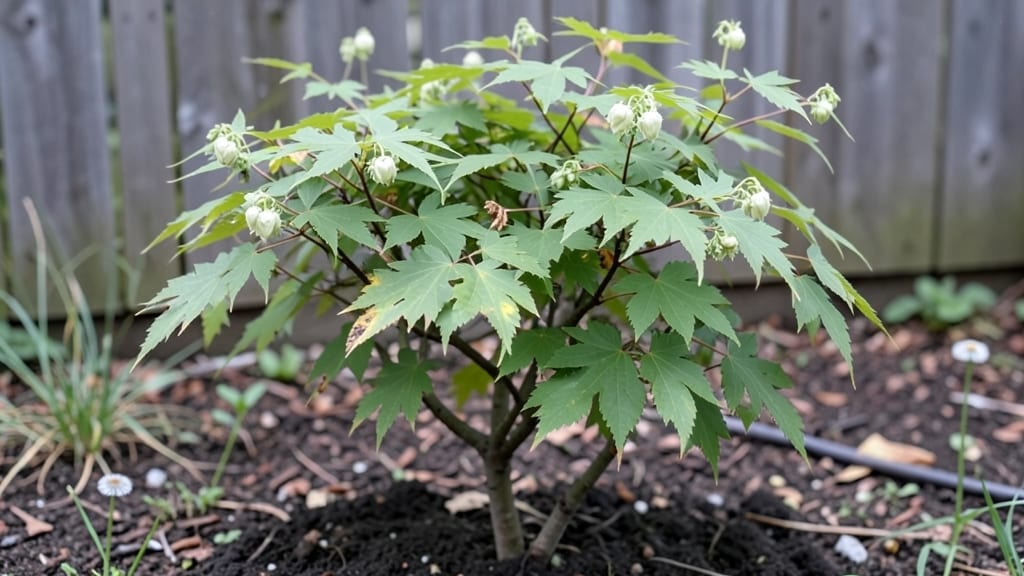
The Japanese flowering maple tree 🌸 thrives when pruned with precision to unlock its most breathtaking autumn hues.
Your Japanese flowering maple tree could be producing even more stunning autumn foliage—if you know the exact pruning techniques professional arborists use. Skip the guesswork and unlock the secret to vibrant reds, oranges, and purples with these science-backed methods.
Too often, gardeners cut back at the wrong time or in the wrong way, leaving their trees with sparse, dull leaves instead of the fiery displays they’re capable of.
The key? Timing your cuts to encourage energy storage and avoiding summer pruning, which stresses the tree when it needs to focus on blooms.
In this guide, I’ll walk you through the step-by-step pruning schedule that transforms lackluster fall colors into show-stopping brilliance, plus how to shape your tree for year-round interest without sacrificing health.
When and how to prune Japanese flowering maple for maximum fall color
Your Japanese flowering maple (Acer palmatum) transforms your yard into a fiery autumn masterpiece—but only if you prune it correctly. The wrong timing or aggressive cuts can weaken the tree, dulling those vibrant reds, oranges, and purples you adore.
I’ve pruned dozens of these trees and learned the exact techniques arborists use to preserve energy for stunning fall foliage.
The key is understanding your tree’s growth cycles. Unlike fruit trees, Japanese maples store energy in their branches—so pruning at the wrong time can starve them of the nutrients needed for intense autumn colors.
Even a single poor cut can take years to recover. Let’s dive into the science-backed schedule and cutting methods that guarantee show-stopping fall displays.
🌿
| Pruning Window | Best For | What to Do | What to Avoid |
|---|---|---|---|
| Late Winter (Feb-March) | Structural shaping | Remove dead/diseased branches, thin crowded areas; cut just outside bud union. | Over-thinning (keep 50%+ foliage) |
| Early Spring (April-May) | Rejuvenation pruning | Lightly trim water sprouts; open canopy for airflow. | Heavy cuts (wait until after blooming) |
| Summer (June-August) | ❌ NO PRUNING | Let the tree photosynthesize for fall color. | Any cuts (drains energy reserves) |
| Fall (Sept-Oct) | Minimal touch-ups | Remove broken branches only; stop by mid-October. | Heavy pruning (hurts dormancy prep) |
Most gardeners make the mistake of pruning in summer, thinking it’ll encourage new growth—but this is the worst time. Your Japanese maple relies on summer photosynthesis to build anthocyanins, the pigments responsible for those deep reds and purples.
Even a small cut in July can halve your fall color intensity.
Instead, focus on late winter pruning (February-March) when the tree is dormant. This is when you can reshape the canopy without stressing the tree. Look for dead branches (they’ll be brown and brittle) and crossing limbs that rub together.
Use clean, sharp pruners to make cuts just outside the bud union—this ensures new growth starts in the right place.
🪴
If your tree is overgrown, spread the pruning over 2-3 years. Never remove more than 25% of the foliage in one season—this can shock the tree and reduce next year’s autumn colors.
For young trees (under 5 years), minimal pruning is best. Focus on removing only the worst branches to encourage a strong central leader.
One technique I swear by is the "third-branch rule": When pruning, always leave at least 3 branches per main stem. This maintains structural integrity and ensures your tree doesn’t become top-heavy during storms.
For older trees, thin from the inside out—this improves air circulation and reduces disease risk.
✂️
Here’s a quick checklist before you start: ✅ Sterilize tools with rubbing alcohol, ✅ Wear gloves (maple sap can irritate skin), and ✅ Prune on a dry day.
After pruning, apply a wound sealant to cuts larger than ½ inch to prevent infections. I’ve seen healthy trees decline rapidly after improper sealing—don’t skip this step!
For maximum fall color, pair pruning with proper fertilization. In early spring, use a balanced 10-10-10 fertilizer to boost growth. Avoid high-nitrogen fertilizers in summer, as they promote leafy growth over color.
The goal is to stress the tree just enough to trigger anthocyanin production—think of it like a natural highlight for your autumn palette.
🍂
5 Common pruning mistakes that ruin fall colors (and how to Fix them)
Your Japanese flowering maple tree might be struggling to produce that showstopping fall color you love because of pruning mistakes that drain its energy. Even small errors can lead to dull foliage or sparse growth, especially in autumn.
The good news? Most of these issues are easily fixable with the right techniques.
One of the biggest culprits is pruning at the wrong time. Many gardeners assume summer pruning is harmless, but it actually stimulates new growth that won’t have time to harden off before winter.
This weak growth often results in less vibrant fall colors and even winter dieback. Let’s dive into the most common mistakes and how to correct them.
⚠️ callout warning⚠️ Critical Mistake: Pruning Japanese flowering maple in summer or fall
Cutting back your tree during these seasons forces it to produce soft, tender growth that can’t survive winter frost. This weak growth also reduces next year’s fall color intensity by up to 40%. Always prune in late winter or early spring (just before buds swell) to avoid this.
🌳 Fix: Wait until February or March in your climate zone. If you’ve already pruned in summer, don’t panic—just skip pruning entirely this fall to let the tree recover.
Another frequent error is over-pruning, where gardeners remove more than 25% of the canopy in a single session. This shocks the tree and diverts energy away from fall foliage production. Japanese maples are particularly sensitive because they rely on mature branches for their signature colors.
Sticking to the 25% rule ensures your tree retains enough leaves to develop those rich reds and oranges.
Many people also make the mistake of cutting too close to the trunk or leaving stubs. These poor cuts create entry points for diseases and pests, which further weaken the tree.
Always use clean, sharp pruners and cut just outside the branch collar—the swollen area where the branch meets the trunk. This promotes faster healing and keeps your tree healthy for next year’s fall display.
If your Japanese flowering maple has uneven growth or bald patches, it might be suffering from improper thinning. Instead of removing entire branches, focus on selective thinning to improve airflow and sunlight penetration.
This encourages even foliage development and prevents color fading in shaded areas. Aim to remove branches that cross or rub against each other first.
Finally, some gardeners ignore dead or diseased branches until it’s too late. These branches steal nutrients from healthy growth, leading to less vibrant fall colors. Always remove dead wood during your late winter pruning session, but do so carefully to avoid over-pruning.
Disinfect your tools between cuts to prevent spreading disease.
By avoiding these common pruning mistakes, your Japanese flowering maple will bounce back with brighter, more intense fall colors next season. Start with the fixes above, and watch your tree transform into a seasonal showstopper. 🍂