
Trees
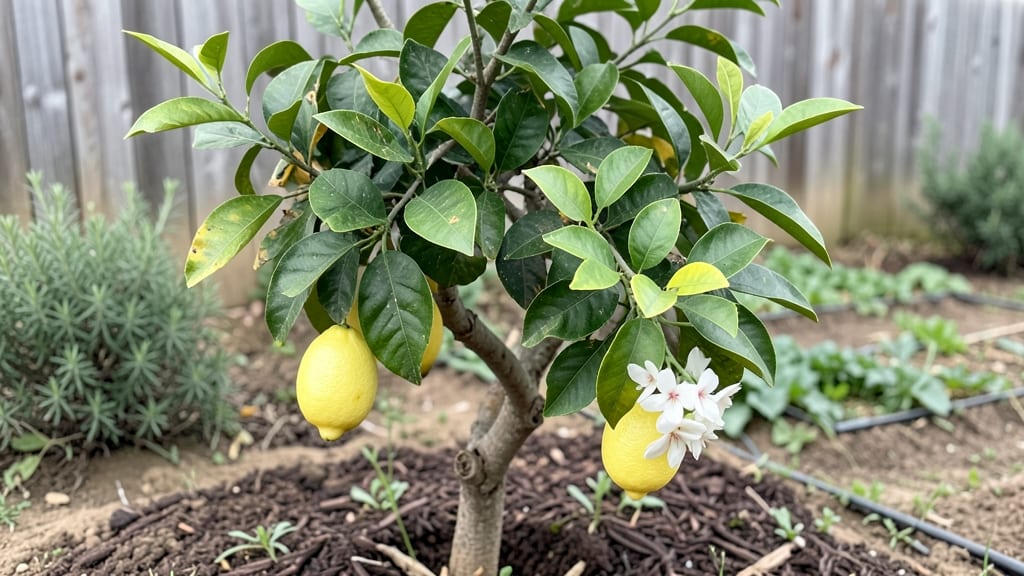
Growing a lemon blossom flower 🍋 in your garden means bringing that signature citrus fragrance into your space—no matter where you live.
Imagine waking up to the intoxicating scent of lemon blossoms drifting through your garden—this fragrant citrus treasure isn’t just for sunny climates. With the right techniques, you can coax these delicate white flowers to bloom year-round, even in cooler regions like Zone 6a.
You don’t need a greenhouse or a perfect climate to enjoy these blooms. Whether you’re starting from seed, a cutting, or a nursery sapling, I’ll walk you through the easiest ways to keep your lemon tree flowering consistently—indoors or out.
From sunlight tricks to pruning secrets, you’ll discover how to turn a small citrus tree into a fragrant, blooming powerhouse that lasts all season.
How to identify and select the best lemon blossom varieties for year-round growth
Selecting the right lemon blossom variety is the first step to enjoying those fragrant white flowers year-round. Not all lemons bloom abundantly, and some varieties thrive in cooler climates better than others.
The key is choosing a disease-resistant, cold-tolerant type that matches your growing conditions—whether you're in a sunny USDA Zone 9 or a cooler Zone 6 with a greenhouse.
Start by understanding the differences between Meyer lemon, Eureka lemon, and Improved Meyer lemon trees.
Each has unique traits: Meyer lemons produce sweet, fragrant blossoms and are more cold-hardy, while Eureka lemons are classic but less winter-resistant. Dwarf varieties like the Ponderosa lemon are perfect for containers and smaller spaces, making them ideal for patios or balconies.
When sourcing your lemon blossom tree, prioritize nursery-grown saplings over seeds for guaranteed blooming. Seeds take 3-5 years to produce flowers, while grafted trees bloom within 1-2 years.
Look for certified disease-free plants from reputable suppliers like Fast-Growing-Trees.com or The Citrus Company, which specialize in citrus varieties adapted to your climate.
For year-round growth, consider greenhouse-grown or container varieties. Dwarf Meyer lemons in pots can be moved indoors during winter, while Improved Meyer lemons handle cooler temps better outdoors. Always check the rootstock—trifoliate orange rootstock improves cold tolerance, while sour orange is better for heat.
If you're in a cooler climate (Zones 6-8), opt for cold-hardy hybrids like the 'Four Seasons' lemon or 'Calamondin orange', which produce fragrant blossoms even in winter. These varieties thrive with winter protection, such as burlap wraps or greenhouse setups, ensuring continuous blooms.
Disease resistance is critical for long-term success. Avoid trees with yellowing leaves or black spots—these signs indicate citrus canker or root rot. Instead, choose Improved Meyer lemons, which are bred to resist common citrus diseases. Always sterilize pruning tools with rubbing alcohol to prevent spreading pathogens.
For abundant blossoms, select trees labeled "heavy bloomer" or "continuous bloomer." These tags indicate varieties like Meyer lemons or Ponderosa lemons, which produce clusters of white, fragrant flowers year-round. If you're unsure, ask your nursery about flowering habits before purchasing.
Pro tip: Grafted trees (where a desirable variety is attached to a hardy rootstock) are your best bet for reliable blooming. They combine the scent and flavor of a Meyer lemon with the sturdiness of a trifoliate orange rootstock, making them ideal for year-round growth in diverse climates.
Finally, consider microclimates—even in cold zones, a south-facing wall or greenhouse can extend the growing season. With the right variety, care, and protection, your lemon blossom tree will reward you with fragrant flowers and zesty lemons all year.
Step-by-step guide to creating ideal growing conditions for lemon blossom flowers
Creating the perfect environment for your lemon blossom flowers starts with understanding their core needs. These delicate blooms thrive when given the right balance of sunlight, soil conditions, and watering discipline.
Whether you're growing them outdoors in your garden or nurturing potted plants indoors, consistency is key to encouraging those fragrant white flowers year-round.
Lemon trees are sun-worshippers, demanding at least 6-8 hours of direct sunlight daily to produce abundant blossoms. Without sufficient light, your plant will struggle to flower, focusing instead on leafy growth.
The soil must also be well-draining with a slightly acidic to neutral pH of 6.0-7.0—this mimics their natural Mediterranean habitat and prevents root rot.
- Spring/Summer: Every 2-3 days (check soil moisture daily).
- Fall/Winter: Reduce to once weekly (let top 1-2 inches dry between waterings).
For indoor cultivation, I recommend supplementing natural light with LED grow lights (12-16 hours/day) during winter months when daylight is scarce. Position the light 6-12 inches above the plant and adjust as it grows. Rotate the pot weekly to ensure even light exposure and prevent lopsided growth.
Monitor your lemon blossom flowers closely for signs of stress—yellowing leaves often indicate overwatering, while drooping foliage signals underwatering or insufficient light. Adjust your care routine accordingly, and don’t hesitate to repot if roots become root-bound (every 2-3 years for potted plants).
With these ideal growing conditions in place, your lemon blossoms will reward you with fragrant white flowers that bloom continuously, filling your space with their intoxicating citrus scent. The key is patience and consistency—these delicate blooms thrive when you mimic their natural Mediterranean environment as closely as possible.