
Blooming
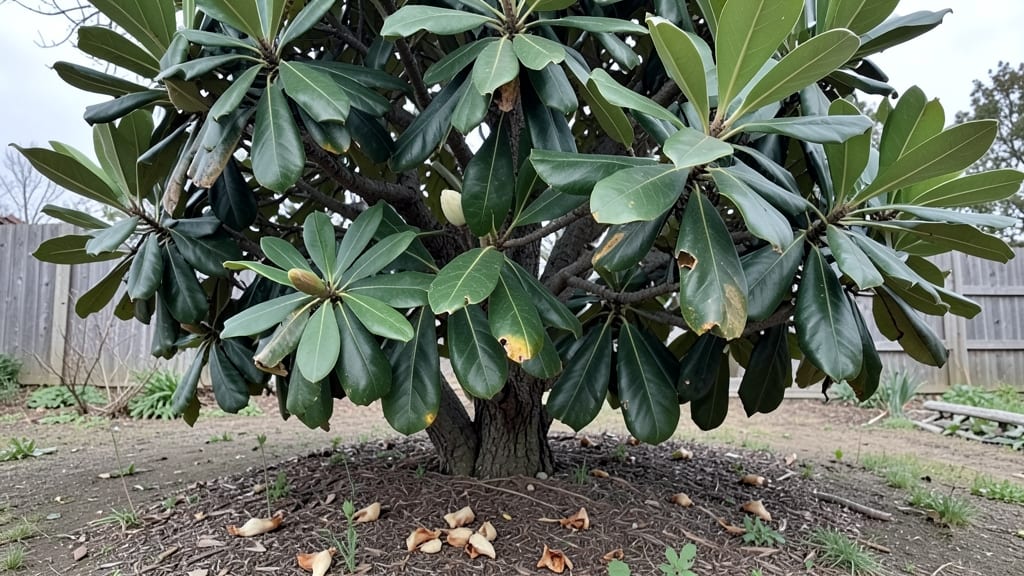
My magnolia tree not flowering after years of waiting feels like a gut punch—especially when neighbors’ trees burst into fragrant blooms every spring. 🌸 I’ve spent years troubleshooting why some magnolias throw tantrums while others thrive, and the fixes are simpler than you’d think.
Most issues boil down to sunlight, age, or overpruning, not some mysterious curse.
The biggest culprits? Young trees still maturing, shade from new construction, or pruning at the wrong time. I once cut back my magnolia’s branches in late winter—big mistake. By spring, it sent all its energy into leaf growth instead of flowers.
Even soil pH plays a role, though most gardeners overlook it until the damage is done.
With the right adjustments—like moving it to full sun, fertilizing in early spring, or pruning only after blooms fade—you’ll see buds forming within a season. The key is patience: some varieties need 5-10 years before their first showstopper blooms, but proper care cuts that wait time in half.
Whether your tree is stubbornly young or just stressed, these fixes work for both Southern magnolias and saucer varieties. Let’s get those buds blooming again—no black magic required.
Hidden Reasons Your Magnolia Skips Blooms
If your magnolia tree is standing tall but staying stubbornly bloom-free, the issue likely stems from one (or more) of these common but often overlooked causes. Understanding the science behind each will help you diagnose—and fix—the problem before next spring.
###
🌱 Age or Immaturity: The Patient Wait
Magnolias are slow starters, and young trees (under 5–10 years old) often prioritize root and branch growth over flowering. This isn’t laziness—it’s biology. Trees allocate energy to establish a robust structure before "wasting" resources on reproductive blooms.
- Science behind it: Magnolias follow a juvenile phase, where hormonal signals (like florigen, the flowering hormone) are suppressed until the tree reaches a critical size or age.
- Actionable fix:
- 📊 Check the trunk diameter: If it’s smaller than 2–3 inches, patience is key. Measure annually—once it hits 3+ inches, flowering should kick in.
- 🌿 Boost growth: Fertilize with balanced, slow-release fertilizer (10-10-10) in early spring to encourage faster maturation. Avoid high-nitrogen blends, which promote leafy growth at the expense of flowers.
###
☀️ Light or Location: The Sunlight Shortage
Magnolias are sun-worshippers, and insufficient light directly impacts their flowering triggers. Most varieties (like Magnolia grandiflora or M. stellata) need 6–8 hours of direct sunlight daily to produce blooms.
- Science behind it: Light exposure regulates phytochrome pigments in leaves, which signal the tree to shift from vegetative growth to flowering. Shade reduces these signals, delaying or preventing bloom production.
- Actionable fix:
- 🌳 Assess your tree’s spot: If it’s under a tall building, dense canopy, or surrounded by evergreens, it’s likely light-deprived. Use a light meter (or the shadow test: if your hand casts a sharp shadow at noon, light levels are likely sufficient).
- ✂️ Prune strategically: Thin out overhanging branches from nearby trees to increase light penetration. Avoid heavy pruning in late summer/fall—this can stress the tree and reduce next year’s blooms.
- 💡 Consider relocation: If the site is permanently shady, transplant the tree to a sunnier location (best done in late fall or early spring).
###
💧 Water or Soil Stress: The Silent Saboteurs
Flowering is a metabolically expensive process, and magnolias won’t invest in blooms if they’re struggling with drought stress, poor drainage, or compacted soil. Even slight waterlogging or nutrient deficiencies can trigger a "survival mode" that halts reproduction.
- Science behind it: Stress hormones like abscisic acid (ABA) flood the tree’s system during drought or poor soil conditions, suppressing florigen and redirecting energy to root growth. Similarly, low phosphorus (a key nutrient for flowering) starves the tree of the resources needed to produce blooms.
- Actionable fix:
- 🌡️ Test your soil: Use a soil pH test kit (ideal pH: 5.0–6.5 for most magnolias). Amend with sulfur or peat moss if pH is too high, or lime if too low.
- 💦 Water deeply but infrequently: Magnolias hate soggy roots but also can’t handle drought. Water 1–2 inches per week (more in extreme heat) and ensure the soil drains well. Mulch with 3–4 inches of organic mulch (wood chips or pine straw) to retain moisture and regulate temperature.
- 🌿 Fertilize for blooms: Apply a phosphorus-rich fertilizer (e.g., 5-10-5) in early spring to jumpstart flowering. Avoid nitrogen-heavy fertilizers, which encourage leafy growth.
###
❄️ Temperature or Timing: The Climate Clues
Magnolias are temperature-sensitive, and blooming is triggered by a combination of chilling hours (winter dormancy) and warm spells (spring). If your tree isn’t getting the right cues—or if late frosts strike—it may skip flowering entirely.
- Science behind it: Most magnolias require 200–600 hours of chilling below 45°F (7°C) during winter to break dormancy. Without this, the tree stays in a "waiting" state. Conversely, early warm spells can trick the tree into blooming too soon, only for flowers to be killed by a late frost.
- Actionable fix:
- 🌡️ Track your climate zone: Southern magnolias (e.g., M. grandiflora) thrive in USDA Zones 6–9, while star magnolias (M. stellata) prefer Zones 4–8. If you’re in a warmer zone with mild winters, your tree may not get enough chilling hours.
- 🌸 Protect early blooms: If your magnolia blooms in late winter/early spring, cover it with frost cloth on nights when frost is forecasted. Remove the cover once temperatures rise above freezing.
- 🔥 Encourage chilling artificially: In areas with insufficient winter chill, you can simulate dormancy by lightly pruning in late fall and ensuring the tree gets cool (but not freezing) nights if possible.
###
🪴 Pruning or Damage: The Growth Roadblocks
Overzealous pruning, storm damage, or pest infestations can severely disrupt a magnolia’s energy balance, leaving it too weak or structurally confused to produce flowers. Even minor stress can delay blooming for 1–2 years.
- Science behind it: Pruning removes buds and meristem tissue, which are the sites where floral primordia (flower buds) develop. Heavy pruning in late summer or fall can also stimulate new growth that won’t harden off before winter, weakening the tree.
- Actionable fix:
- ✂️ Prune at the right time: The best time to prune magnolias is immediately after flowering (late spring) or in mid-summer. Avoid pruning in fall or winter, as this can encourage tender growth that’s vulnerable to cold damage.
Revive Blooms With These Fixes
Now that you know why your magnolia isn’t flowering, let’s turn things around with practical, step-by-step solutions tailored to each common cause. Whether it’s age, light, nutrients, or pruning gone wrong, these fixes will help your magnolia tree burst into fragrant blooms again.
🌱 Fix 1: Give It Time (If It’s Young or Mature)
Cause: Not enough age or late maturity Solution: Magnolias are patient trees—some need 5–10 years before their first flowers! If your tree is young, focus on healthy growth rather than forcing blooms. For mature trees (over 10 years) that suddenly stop flowering, check for stress signals like yellowing leaves or sparse foliage.
What to do:
- For young trees (under 5 years):
- Ensure full sun (6+ hours/day) and well-draining soil.
- Fertilize lightly in early spring with a balanced, slow-release fertilizer (10-10-10 or similar).
- Avoid heavy pruning—just remove dead or crossing branches.
- For mature trees (10+ years) that stopped blooming:
- Inspect for pests (scale, spider mites) or disease (powdery mildew).
- Prune only after flowering (late spring/early summer) to avoid cutting next year’s buds.
- Test soil pH—magnolias prefer slightly acidic soil (5.5–6.5). Amend with sulfur if needed.
💡 Pro Tip: If your tree is over 20 years old, it might be exhausted from years of blooming. Give it a rest year—reduce fertilizer and water slightly to reset its energy.
☀️ Fix 2: Optimize Sunlight & Location
Cause: Too much shade or harsh afternoon sun Solution: Magnolias thrive in dappled sunlight—too little, and they won’t bloom; too much, and they’ll stress. Most varieties need morning sun + afternoon shade, especially in hot climates.
What to do:
- Move or thin nearby trees to allow at least 4–6 hours of sunlight daily.
- Avoid planting under dense canopies (like oaks or pines).
- Use shade cloth (30–50%) if your tree gets scorching afternoon sun (common in zones 7–9).
- For container-grown magnolias, place them in a bright, sheltered spot (like near a south-facing wall).
✨ Quick Fix: If relocating isn’t possible, mulch heavily (3–4 inches) to keep roots cool.
🌿 Fix 3: Feed & Hydrate Like a Pro
Cause: Poor soil, over/under-fertilizing, or drought stress Solution: Magnolias are heavy feeders but hate synthetic salts from over-fertilizing. A balanced, organic approach works best.
What to do:
- Spring feeding (March–April):
- Use compost, worm castings, or a slow-release fertilizer (like 10-10-10).
- Avoid high-nitrogen fertilizers (like lawn food)—they promote leaves over flowers.
- Work in 2–3 inches of organic matter (compost or aged manure) into the soil.
- Summer care:
- Water deeply 1–2 times per week (1–1.5 inches per session).
- Mulch with pine bark or wood chips (2–3 inches) to retain moisture and regulate temperature.
- Avoid wetting leaves (especially in humid climates) to prevent fungal diseases.
- Fall prep (October–November):
- Top-dress with compost to replenish nutrients.
- Reduce watering but keep soil moist (not soggy).
🔥 Warning: Never fertilize in fall or winter—it encourages tender new growth that can freeze.
✂️ Fix 4: Prune Correctly (Or Not at All!)
Cause: Wrong pruning time or aggressive cuts Solution: Most magnolias hate pruning—they set flower buds 12–18 months in advance! Cutting at the wrong time can remove next year’s blooms.
What to do:
- Never prune in late summer/fall (this removes next year’s flowers).
- Best time to prune: Right after flowering (late spring/early summer).
- How to prune:
- Remove only dead, diseased, or crossing branches.
- Avoid "thinning out"—magnolias bloom on old wood, so minimal pruning is best.
- If shaping is needed, limit cuts to 10–15% of the canopy.
🎯 Expert Tip: If your magnolia is overgrown, gradual pruning over 2–3 years is safer than one heavy cut.
🐛 Fix 5: Battle Pests & Diseases
Cause: Insects, fungi, or root issues Solution: Pests and diseases steal energy from your magnolia, preventing flowers. Act fast to restore health.
Common culprits & fixes:
| Problem | Signs | Solution |
|---|---|---|
| Scale insects | Sticky residue, white bumps | Spray with horticultural oil or neem oil in early spring. |
| Spider mites | Yellowing leaves, fine webbing | Blast off with water (early morning) or use insecticidal soap. |
| Powdery mildew | White powdery coating on leaves | Prune for airflow, spray with baking soda mix (1 tsp baking soda + 1 quart water + a drop of soap). |
| Root rot | Wilting, yellow leaves, mushy roots | Improve drainage, reduce watering, and add compost to soil. |
| Borers | Sawdust-like frass, holes in bark | Remove infested branches, treat with beneficial nematodes. |
💡 Prevention:
- Inspect leaves monthly (especially undersides).
- Encourage natural predators (ladybugs, lacewings) with native plants.
- Avoid overhead watering to prevent fungal spread.
🌟 Bonus: Encourage Blooms with These Tricks
- Hand-pollinate (if you have multiple magnolias): Use a soft brush to transfer pollen between flowers.
- Plant companion flowers (like azaleas or camellias) to attract pollinators.
- Avoid transplant shock: If moving your magnolia, do it in early spring and water deeply for the first year.
Final Thought: Patience is key—some magnolias take years to rebound after stress. Stick with these fixes, and you’ll likely see more blooms next season! 🌸
Frequently asked questions
Why does my mature magnolia tree suddenly stop flowering?
Mature magnolias often pause blooming due to stress factors like improper pruning, pest infestations, or soil imbalances. If you pruned heavily in late summer/fall, you may have cut next year’s flower buds. Always prune right after blooming (late spring) and avoid aggressive cuts. Check for pests like scale insects or spider mites—these sap energy that should go to flowers.
How can I tell if my magnolia needs more sunlight?
Magnolias thrive with 6–8 hours of direct sunlight daily. Look for these clues: leaves turning yellow or growing sparse, branches stretching toward light, or flowers appearing only on outer branches. If your tree is under dense shade, try thinning nearby trees or relocating it to a sunnier spot—just avoid moving it in extreme heat or drought.
Is it too late to fix my magnolia’s flowering problem this year?
Not necessarily! Start with basic care adjustments like watering deeply 1–2 inches per week and mulching with organic matter. Apply a phosphorus-rich fertilizer (5-10-5) in early spring to encourage blooms next year. For immediate results, hand-pollinate existing flowers with a soft brush to boost fruit set—though this won’t guarantee flowers, it helps the tree focus energy on reproduction.
Can I force my young magnolia to bloom faster?
Young magnolias (under 5 years old) prioritize root and branch growth, so forcing blooms isn’t recommended. Instead, focus on healthy growth: use a balanced fertilizer (10-10-10) in early spring, ensure full sun exposure, and avoid heavy pruning. Patience is key—most magnolias take 5–10 years before their first showstopper blooms, but proper care cuts that timeline in half.
What’s the best way to protect early magnolia blooms from frost?
If your magnolia blooms in late winter or early spring, cover it with frost cloth on forecasted frost nights. Remove the cover once temperatures rise above freezing. For extra protection, plant near a south-facing wall to absorb daytime heat. Avoid chemical frost protectants—they can damage delicate petals.