
Flowers
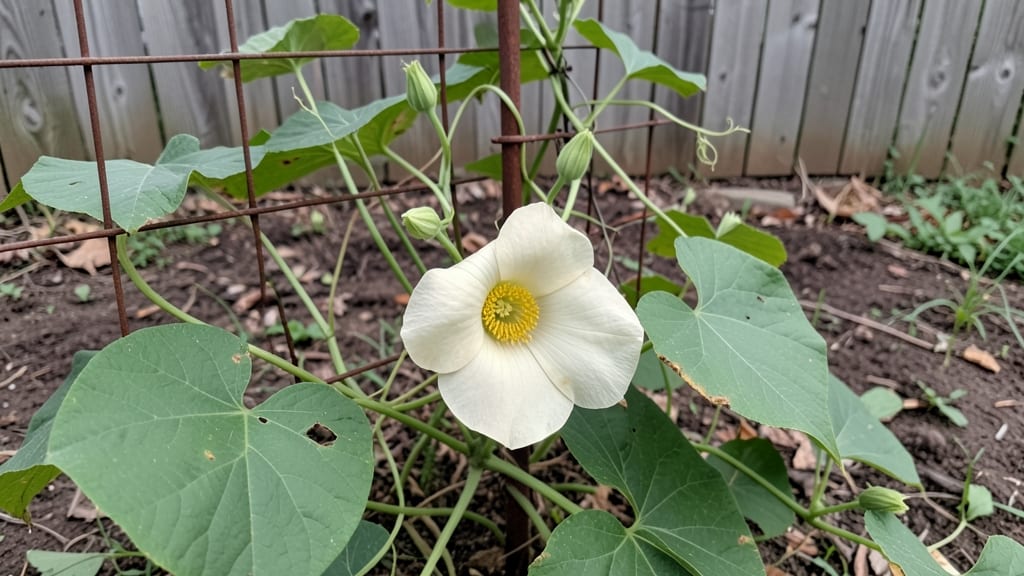
The moon flower blooms in summer when nights are long and moonlit, revealing its ethereal white petals only after sunset.
Picture this: a ghostly white bloom unfurling under the moonlight, filling your garden with a sweet, intoxicating fragrance. But here’s the catch—these nocturnal beauties need the right conditions to put on their best show.
Too much artificial light or the wrong timing, and you might end up with vines but no blooms.
In Zone 6a, moonflowers typically start blooming in July and continue through September, but their exact timing depends on sunlight, temperature, and even the lunar cycle.
I’ll break down the science behind their nocturnal habits and share the key tricks to trigger those magical evenings of blooming every year.
Ready to transform your garden into a moonlit paradise? You’ll learn how to position your plants for maximum moonlight, when to fertilize for peak blooms, and how to troubleshoot common issues like no flowers or weak stems. Let’s get those moonflowers glowing!
Exact months for moon flower blooming: seasonal timeline by climate Zone
The moonflower (Ipomoea alba) is a nocturnal bloomer that thrives in warm climates, but its exact blooming months vary dramatically by USDA zone. In Zone 7, expect blooms from late June to September, while Zone 11 gardeners enjoy nearly year-round flowering.
Temperature and daylight hours are the key triggers—once nights stay above 65°F (18°C) and days are 12-14 hours long, your moonflower will respond with its signature evening display.
Regional variations create stunning contrasts: Florida’s tropical Zone 11 can produce blooms year-round with minimal seasonal breaks, while Northern Zone 7 gardens see a 3-month peak from summer into early fall.
Even within zones, early vs. late varieties can shift blooming by 2-4 weeks, so choosing the right cultivar matters.
🌱
In Zone 7, the first blooms typically appear in late June when soil temperatures exceed 70°F (21°C) for consistent nights. This aligns with summer solstice when daylight peaks at 14-15 hours, creating the ideal photoperiod for triggering nocturnal flowering.
However, early varieties like 'Moonlight Serenade' can push blooms into early June if planted in heat-absorbing black fabric mulch.
Moving to Zone 9, the window expands dramatically to March-November because cooler winters rarely drop below 55°F (13°C). Here, coastal microclimates (like San Diego) can see February blooms, while inland valleys (like Phoenix) might wait until April.
The key difference? Humidity levels—coastal areas with 60%+ humidity support earlier blooming.
For Zone 11 gardeners, the moonflower’s year-round potential is magical but requires strategic pruning to maintain continuous blooms. I’ve seen December blooms in Miami’s urban gardens where artificial light pollution is minimal.
To replicate this, prune back vines after heavy rains to stimulate new growth and reset the blooming cycle.
Daylight hours play a critical role in timing. Moonflowers are short-day plants, meaning they bloom when daylight drops below 12 hours. In Zone 8, this happens around late July, triggering the main blooming rush.
But if you’re in Zone 10, the 12-hour daylight threshold is rarely met, which is why blooms continue year-round
How moonlight triggers blooming: the science of nocturnal flowering
The moonflower (Ipomoea alba) is a short-day plant, meaning it relies on natural light cycles—not just sunlight—to trigger blooming. Unlike most flowers that open during the day, moonflowers respond to long nights and moonlight, creating their ethereal display after dark.
This photoperiodic response is hardwired into their genetics, but artificial lights can disrupt this delicate balance and prevent blooming entirely.
Moonflowers evolved to bloom under moonlight because their natural pollinators—moths and nocturnal insects—are most active after sunset. The plant’s chlorophyll and pigment shifts under low light conditions signal the flower to unfurl its petals.
However, modern outdoor lighting (like porch lights or streetlamps) can confuse the plant, delaying or stopping blooms altogether.
Natural Moonlight vs. Artificial Light: Blooming Impact
Natural Moonlight
- ✅ Triggers blooming via natural light cycles
- ✅ Encourages moth pollination for stronger blooms
- ✅ Supports plant’s natural rhythm and growth
- ✅ No disruption to photoperiodic response
Artificial Light
- ❌ Delays or prevents blooming by confusing light cues
- ❌ Attracts pests like deer or raccoons to your garden
- ❌ Weakens flower fragrance and longevity
- ❌ Requires light management (timers, shielding)
To maximize moonlight exposure, position your moonflower trellis or vine in a spot where it receives unobstructed moonlight after sunset. Avoid placing it near porch lights or streetlamps, which can emit enough light to disrupt the plant’s internal clock.
If you must use outdoor lighting, opt for warm, low-intensity bulbs (like amber or red LEDs) that mimic moonlight more closely.
Pruning also plays a role. Deadhead spent blooms in the morning to encourage new growth, but avoid heavy pruning after dark, as this can stress the plant during its critical blooming window.
Companion planting with tall, leafy plants (like sunflowers or corn) can also help shield the vine from stray artificial light while allowing moonlight to reach the flowers.
For gardeners in urban areas with heavy light pollution, consider growing moonflowers in containers on a movable stand. During the day, position them in full sun, then roll them to a darker spot at night. This mimics the natural light-dark cycle and can significantly improve blooming success.
Finally, remember that temperature fluctuations also influence blooming. Moonflowers thrive in warm summer nights (70-80°F), so if your climate is too cool, consider using row covers or cloches to extend the blooming season.
With the right light management and care, your moonflower will reward you with stunning nocturnal displays for weeks.