
Trees
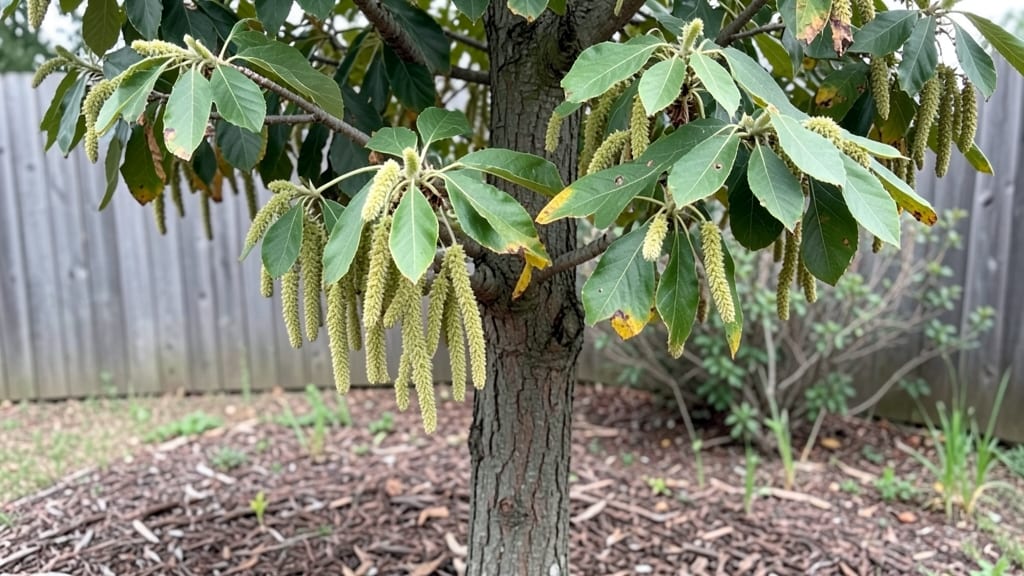
Your pecan tree flowering signals the start of the nut-producing season, a critical phase that determines how much you’ll harvest later.
Watching your 🌳 pecan tree bloom is like witnessing nature’s promise of a bountiful harvest—but timing and conditions make all the difference.
If you’ve ever wondered when those delicate flowers appear or why they matter for your pecan crop, this guide breaks down everything you need to know to maximize your tree’s potential.
In USDA Zone 6, flowering typically kicks off in late spring, around April, when temperatures rise and daylight stretches. But the health of those blooms—and what follows—depends on more than just the calendar.
Pruning, soil health, and even last year’s harvest can all play a role in whether your tree puts on a show of flowers or stays quiet.
Here’s how to recognize healthy blooms, what to watch for after pollination, and the key steps to encourage strong flowering year after year.
When do pecan trees flower: seasonal timing and climate factors
Understanding when your pecan tree flowers is key to predicting your harvest success. Most varieties bloom in late spring, typically between April and May, but exact timing depends on your USDA hardiness zone and local climate.
In warmer southern regions like Texas or Georgia, blooms may appear as early as March, while northern zones like Missouri or Kansas might see flowers in May or June.
Pecan trees are particularly sensitive to temperature fluctuations during bloom season. Cold snaps below 32°F (0°C) can damage flowers, reducing nut production.
Meanwhile, prolonged heat waves before full bloom can stress the tree, delaying or stunting flower development. Daylength also plays a role—longer daylight hours in summer trigger flower buds to form for the following year.
| Factor | Southern Climates (Zones 7-9) | Northern Climates (Zones 6-5) |
|---|---|---|
| Bloom Window | March–April | May–June |
| Temperature Needs | 60–85°F (15–29°C) | 55–75°F (13–24°C) |
| Daylight Trigger | 12+ hours | 14+ hours |
| Frost Risk | Low (late frosts rare) | High (late frosts common) |
| Early Varieties | ‘Pawnee,’ ‘Cape Fear’ | ‘Mohawk,’ ‘Kanza’ |
| Late Varieties | ‘Desirable,’ ‘Elliot’ | ‘Western,’ ‘Green River’ |
Pecan trees produce two types of flowers: male catkins and female pistillate flowers. Male flowers appear first as yellow-green catkins in early spring, releasing pollen for 4–6 weeks. Female flowers emerge later as small, reddish-green clusters and require cross-pollination from male trees to develop nuts. Planting two compatible varieties ensures better pollination and higher yields.
If you’re in a northern climate, choose late-blooming varieties like ‘Mohawk’ to avoid frost damage. Southern gardeners can opt for early bloomers such as ‘Pawnee’ to capitalize on longer growing seasons.
Always monitor weather forecasts during bloom season—even a single night below 30°F (-1°C) can devastate flowers and next year’s crop.
For optimal flowering, pecan trees need well-drained soil with a pH between 6.0–7.5. Amend heavy clay soils with compost or sand to improve drainage. Young trees benefit from balanced fertilization in early spring, while mature trees require minimal feeding once established.
Over-fertilizing can lead to excessive vegetative growth at the expense of flowers.
In drought-prone areas, consistent watering during bloom season is critical. Deep watering 2–3 times per week encourages strong root development, which supports flower production. Avoid overhead irrigation, as wet flowers attract pecan scab fungus, a common disease that can ruin blooms and young nuts.
Male flowers release pollen in the morning, so bees and wind are most active during these hours. If you notice few bees visiting your tree, consider planting pollinator-friendly plants nearby, like clover or sunflowers. Even a single honeybee colony can significantly improve pollination rates in pecan orchards.
After flowering, female flowers develop into tiny green pecans by early summer. By July or August, these will grow into full-sized nuts if pollination was successful.
Keep an eye out for nut drop—this natural process occurs when the tree sheds underdeveloped nuts to conserve energy for the remaining crop.
To encourage robust flowering next year, prune your pecan tree in late winter before buds swell. Remove dead or crossing branches to improve airflow and sunlight penetration. Avoid heavy pruning during bloom season, as this can stress the tree and reduce flower production.
🌳
What pecan tree flowers look like: identifying male vs. female blooms and their role in fruit production
Pecan trees produce two distinct types of flowers that play critical roles in fruit production: male catkins and female pistillate flowers. Understanding their differences helps you predict your harvest potential.
The catkins (male flowers) appear first as fuzzy, yellow-green clusters, while the female flowers are tiny, red, and less noticeable but essential for nut development.
Both flower types must be present for successful pollination, which occurs when wind carries pollen from male catkins to female flowers. Without both, your tree may produce few or no nuts.
Monitoring flower health—like checking for pest damage or color changes—can also signal whether your tree is thriving or struggling.
🌱 3 Stages of Pecan Flower Development & What They Mean for Your Harvest
| Stage | Visual Clues | Harvest Potential |
|---|---|---|
| 🌿 Early Bloom | Male catkins (yellow-green) and female flowers (red) appear. | Good sign if both types are present. |
| 🌸 Pollination | Female flowers swell slightly; catkins drop. | Check for pest damage—healthy flowers = better nuts. |
| 🌰 Fruit Set | Small green nuts form; leaves may yellow if stressed. | Abundant nuts = successful pollination; monitor for pests. |
Male catkins are the first to emerge in early spring, hanging in clusters from branches. They resemble dangling strings of fuzzy, yellow-green buds. These flowers release pollen, which is carried by wind to the female flowers. The female flowers, though less conspicuous, are critical—they develop into pecans after pollination.
To monitor flower health, inspect for pest signs like aphids or mites, which can damage blooms. Healthy flowers will transition from vibrant colors to a more muted tone as they mature.
If you notice missing catkins or wilted female flowers, it may indicate stress from drought, poor soil, or disease.
Once pollination occurs, female flowers begin to swell into small pecans. This stage is when you can gauge your harvest potential. If flowers were abundant and healthy, you’re likely in for a bountiful crop.
Keep an eye on the tree—nut development takes months, and early signs of stress can still impact your final yield.
Pro tip: If your tree lacks one flower type, consider planting a second pecan tree nearby to ensure cross-pollination. This simple step can dramatically improve your nut production! 🌳