
Flowers
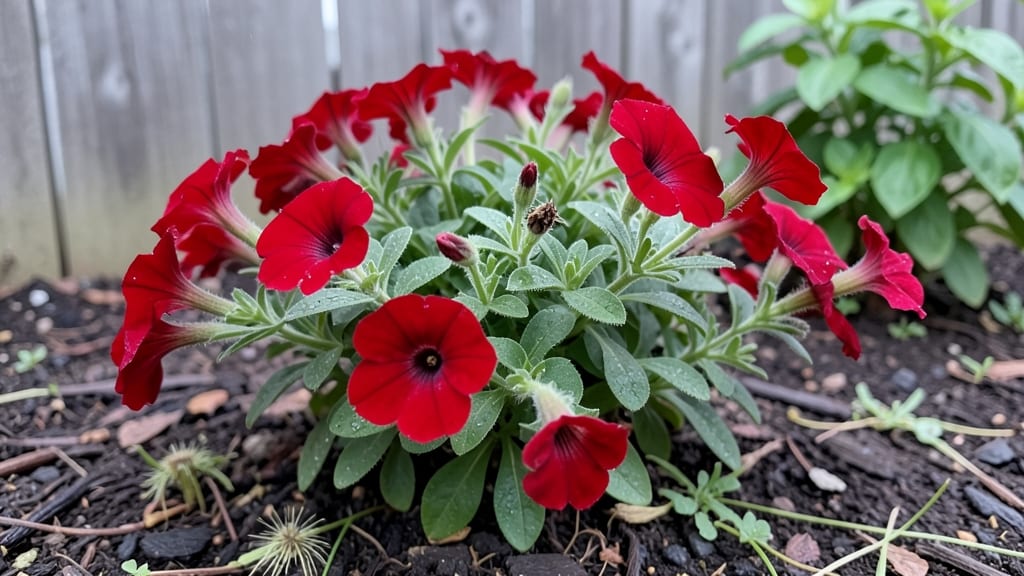
The red petunia flower 🌸 brings bold color to any garden with almost no effort—once you know the secrets to keeping it blooming all season.
Picture this: vibrant red blooms popping up fresh every week, even when you forget to deadhead. That’s not just luck—it’s a matter of timing, soil, and a few simple tricks that turn these flowers into the workhorse of your summer borders.
You don’t need a green thumb to grow petunias, but you do need to know when to water, how much sun they really crave, and the one fertilizer hack that makes them last until frost.
Below, I’ll walk you through the exact steps to get nonstop red petunias from spring through fall.
Ready to turn your garden into a showstopper? Let’s start with the basics—soil, sunlight, and the one watering mistake that kills petunias faster than anything else.
Red petunia flower care guide: soil, sunlight, and watering secrets
Your red petunia flowers can transform any garden into a vibrant burst of color—but only if you meet their basic needs. Unlike fussy annuals, petunias thrive with minimal effort once you nail the soil mix, sunlight exposure, and watering routine.
I’ve grown these showstoppers for years, and I’ll share my secret adjustments to keep them blooming nonstop, even in hot summers or cool springs.
The key to lush red petunia blooms starts with well-draining soil and the right sunlight balance. Too much shade? Your flowers will fade to pastels. Too much water? Roots rot before blooms appear. Let’s fix that with science-backed care—no guesswork required.
🌱
Let’s start with soil preparation, the foundation of healthy red petunia flowers. These plants despise soggy roots, so I always mix potting soil with perlite or vermiculite (50/50 ratio) to improve drainage.
If your garden soil is heavy clay, amend it with composted manure or coconut coir to loosen the texture. A quick soil pH test will tell you if your mix is too alkaline—petunias prefer a slightly acidic environment (pH 5.8–6.5).
For container gardening, use a lightweight mix with added worm castings to feed roots gradually. I swear by self-watering pots in summer—they keep moisture consistent without drowning the roots. Pro tip: Elevate containers slightly to prevent water pooling at the bottom.
Now, let’s talk sunlight exposure, the secret weapon for bold red blooms. Petunias need 6+ hours of direct sun daily, but in USDA Zone 9+, afternoon shade becomes critical when temps hit 95°F+.
I’ve seen petunias bleach out under harsh midday sun—so if your garden gets intense afternoon rays, install a 30% shade cloth for 2–3 hours before sunset. This trick extends blooming season by 3–4 weeks.
Watering is where most gardeners go wrong. Red petunias need consistent moisture, but they’ll wiltingly protest if their roots sit in water. My routine? Water deeply in the morning (before 10 AM) to let foliage dry by evening.
In summer, I increase frequency to every 2 days and use a drip irrigation system to avoid wetting leaves (which invites powdery mildew). For container plants, check soil moisture daily—pots dry out 3x faster than in-ground beds.
Watch for these red flags that signal care mistakes:
- Yellow leaves = overwatering or alkaline soil
- Brown leaf edges = underwatering or fluoride buildup (tap water issue)
- Fewer blooms = too much nitrogen (cut back fertilizer)
- Leggy stems = not enough light (move to sunnier spot)
To troubleshoot leaf discoloration, first check your watering habits. Brown tips? You’re likely using hard water—switch to rainwater or distilled water.
For yellowing, amend soil with sulfur to lower pH. And if your petunias look stressed in heat, mulch with straw or shredded bark to retain moisture and cool roots.
One of my favorite microclimate hacks is using black plastic mulch in spring. It warms the soil faster,
How to deadhead red petunias for longer blooms (without the hassle)
Deadheading red petunias might sound like a chore, but it’s actually the secret to longer blooming seasons with minimal effort. These vibrant flowers naturally self-clean when stressed, so you don’t always need to prune.
However, when you do deadhead, doing it right ensures your plants stay healthy and produce nonstop blooms from spring to frost.
The key is timing and technique. Over-pruning can stress your plants, while skipping it entirely lets them focus energy on seed production instead of flowers. I’ve found that strategic deadheading—combined with proper watering and feeding—keeps my red petunias flowering like crazy with almost no extra work.
Let’s break it down into simple, actionable steps so you can enjoy those bold red blooms all season long.
Wait for the right moment
Deadhead only when the red petunia flower starts wilting or its petals turn brown. Look for spent blooms that droop or lose their vibrant color—these are ready for removal. Avoid pruning buds that are still closed or partially open, as these will bloom soon.
Use the pinch-and-pull method
Gently pinch the spent bloom between your thumb and forefinger, then pull it downward to remove the entire flower stem. This encourages the plant to produce new side shoots and more blooms. For stubborn stems, use clean pruning shears to cut just above a leaf node.
Skip deadheading in late summer
When temperatures drop below 60°F in late summer, your red petunias will naturally slow their growth. At this point, stop deadheading entirely to allow the plant to store energy for next season. Focus instead on watering less frequently and removing only diseased leaves.
Use organic alternatives for lazy gardeners
If deadheading feels like too much work, try mulching with straw or covering the base with gravel. This discourages weeds and reduces stress on the plant, allowing it to focus on blooming instead of competing with unwanted growth.
Some gardeners also swear by lightly shaking plants to dislodge spent blooms.
Fertilize after deadheading for a boost
After removing spent blooms, give your red petunias a light feed with a balanced fertilizer (10-10-10). This encourages new growth and more flowers.
Water the soil first to prevent root burn, then apply fertilizer in the early morning so it has time to absorb before the heat of the day.
Don’t let the idea of deadheading intimidate you—it’s really just about removing the old to make room for the new. My red petunias thrive with minimal deadheading, especially when paired with consistent watering and the right fertilizer schedule.
Once you get the hang of it, you’ll wonder why you ever found it stressful. The result? A garden bursting with color from spring to fall with almost no extra effort.
Pro tip: If you’re growing red petunias in containers, deadheading is even easier—just snip the spent blooms while you’re watering, and you’re done in seconds. Your plants will reward you with nonstop blooms all season long, making your gardening routine simpler and more enjoyable.