
Trees
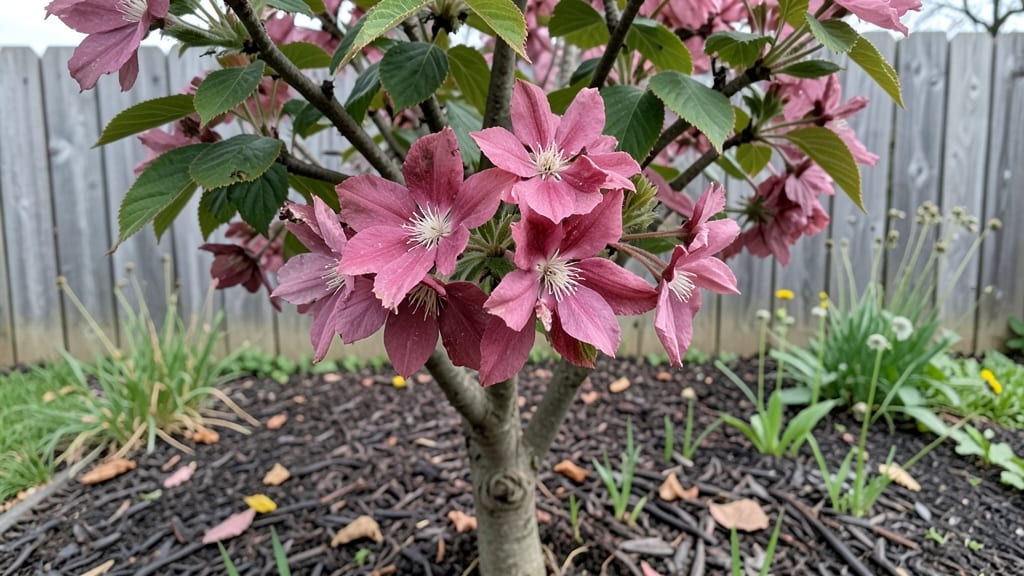
The Rubra flowering dogwood 🌸 delivers a showstopping display of deep red blooms that brighten any landscape—but its magic doesn’t end with spring.
Picture this: year-round interest from glossy green leaves in summer, fiery fall foliage, and even winter bark that adds texture. Yet many gardeners miss the mark on care, leaving their dogwoods underwhelming.
The secret? A few key tweaks to soil, sunlight, and timing can turn a good tree into a stunning focal point.
In USDA Zone 6a, planting in early spring or fall sets the stage for vibrant blooms, but the real work happens in the details: pruning at the right time, watering just enough, and protecting it from pests.
Skip these steps, and you’ll end up with fewer flowers and weaker growth.
Here’s how to maximize those bold red blooms and keep your Rubra dogwood thriving through every season—no green thumb required.
Planting and pruning Rubra flowering dogwood for maximum blooms
The Cornus florida 'Rubra' flowering dogwood is a standout ornamental tree, prized for its vibrant red blooms that appear before the leaves in spring. To ensure your Rubra dogwood thrives and produces maximum blooms year after year, start with the right planting conditions and pruning techniques.
This tree isn’t just about spring beauty—it offers year-round interest with its striking foliage and fall color. Let’s dive into the essentials for planting and pruning to keep your dogwood looking its best.
First, choose the perfect planting location to set your Rubra dogwood up for success. These trees thrive in partial shade, which means they need protection from harsh afternoon sun, especially in hotter climates.
A spot with morning sunlight and dappled shade during the afternoon will help maintain the tree’s health and encourage abundant blooms. Avoid planting in full sun, as this can stress the tree and reduce flower production.
Additionally, ensure the location has well-draining soil to prevent root rot, a common issue for dogwoods.
| Care Aspect | Specification |
|---|---|
| Planting Season | Early spring (March-April) or early fall (September-October) |
| Sunlight Needs | Partial shade (4-6 hours morning sun, afternoon shade) |
| Soil Type | Well-draining, slightly acidic (pH 5.0-6.0), rich in organic matter |
| Spacing | 20-25 feet apart (mature size: 20-35 feet tall) |
| Watering | Deep watering weekly (2000-4000ml) during growing season |
| Pruning Time | Late winter or early spring (before buds swell) |
| Fertilization | Balanced 10-10-10 in early spring (1 cup per 10 sqft) |
| Mulching | 2-3 inches of organic mulch (keep 6 inches from trunk) |
When it comes to soil preparation, Rubra dogwoods prefer slightly acidic soil with a pH between 5.0 and 6.0. Test your soil before planting and amend it with compost or peat moss if necessary to achieve the right pH. Avoid heavy clay soils, as they can lead to root suffocation and poor drainage. Mix in organic matter like compost or well-rotted manure to improve soil structure and fertility. This will provide the nutrients your dogwood needs to produce those stunning red blooms.
Proper spacing is critical when planting Rubra dogwoods, as they can grow quite large—up to 20-35 feet tall at maturity. Plant them 20-25 feet apart to allow for adequate air circulation and prevent overcrowding. Overcrowded trees are more susceptible to disease and pests, so give them room to grow.
If you’re planting multiple dogwoods, consider their mature size and spacing to create a cohesive landscape design. This will also make future pruning and maintenance much easier.
Now, let’s talk about pruning techniques to maximize blooms. The best time to prune your Rubra dogwood is in late winter or early spring, just before the buds begin to swell. This timing ensures you don’t accidentally remove next year’s flower buds.
Use clean, sharp pruners to make clean cuts at a 45-degree angle just above a bud or branch collar. Remove any dead, diseased, or crossing branches first, then thin out the canopy to improve air circulation and light penetration.
Avoid over-pruning, as this can reduce the number of blooms. Rubra dogwoods produce flowers on old wood, so heavy pruning can lead to fewer flowers the following year. Focus on shaping and maintaining the tree rather than drastic cuts.
If you notice any suckers or water sprouts growing from the base or branches, remove them promptly to redirect the tree’s energy toward flower production. Regular pruning will keep your dogwood looking neat and encourage more vibrant blooms.
One common early-care mistake is overwatering, which can lead to root rot. While Rubra dogwoods need consistent moisture, they don’t like soggy soil. Water deeply but infrequently, aiming for 2000-4000ml per week during the growing season.
In the first year after planting, keep the soil evenly moist to help the roots establish. Once established, your dogwood will be more drought-tolerant, but it’s still important to monitor soil moisture, especially during hot, dry spells.
Another key to success is mulching. Apply a 2-3 inch layer of organic mulch around the base of your dogwood, keeping it 6 inches away from the trunk to prevent rot. Mulch helps retain soil moisture, regulate soil temperature, and suppress weeds.
Use materials like wood chips or shredded bark, which will break down over time and add nutrients to the soil. Replenish the mulch as needed, especially after heavy rains or as it decomposes.
Finally, don’t forget about seasonal adjustments to keep your Rubra dogwood thriving. In spring, focus on watering and light fertilization to support new growth and blooms. During summer, increase watering frequency if your area experiences drought.
In fall, reduce watering and remove any fallen leaves or debris to prevent disease. In winter, protect young trees from harsh winds and provide extra mulch for insulation. With these care tips, your Rubra dogwood will reward you with bold red blooms and year-round beauty.
Seasonal care guide: how to keep Rubra dogwood thriving year-round
The Cornus florida 'Rubra' flowering dogwood rewards careful seasonal care with vibrant red blooms and lush foliage. Unlike many trees that fade after spring, this variety offers year-round interest—from early spring flowers to fiery fall colors.
The key? Tailoring your approach to each season’s unique demands. Let’s break down how to nurture your Rubra dogwood through every phase, ensuring it remains a standout feature in your landscape.
Spring is all about bloom support—your Rubra dogwood needs balanced fertilization and pruning for airflow to prevent disease. Summer demands consistent hydration and pest vigilance, while fall is the time to enhance those showstopping foliage colors.
Winter protection ensures your tree survives cold snaps. Each season builds on the last, so let’s dive into the specifics to keep your dogwood thriving.
Focus: Bloom support & early growth
✅ Fertilize with 10-10-10 in early spring (1 cup per 10 sqft) to fuel flower production.
✅ Prune dead or crossing branches in late winter to improve air circulation.
✅ Mulch with 3 inches of organic mulch to retain moisture and regulate soil temperature.
Focus: Hydration & pest control
✅ Water deeply 1-2 times per week (2000-4000ml per tree) to prevent wilting.
✅ Monitor for pests like dogwood borers—apply neem oil if you spot chewed leaves.
Avoid fertilizing during heatwaves to prevent root stress.
Focus: Foliage enhancement & pre-winter prep
✅ Reduce watering to bi-weekly as temperatures drop to encourage deep root growth.
✅ Apply mulch to protect roots from temperature fluctuations.
✅ Prune only to remove dead branches—avoid heavy pruning to preserve next year’s blooms.
Focus: Cold protection & dormancy care
✅ Water lightly monthly if soil is dry to prevent root desiccation.
✅ Wrap young trees in burlap if temperatures drop below 10°F.
Avoid fertilizing—your tree is dormant and doesn’t need nutrients.
Spring is your Rubra dogwood’s peak performance season. After winter dormancy, it’s time to revitalize growth and set the stage for showy red blooms. Start by applying a balanced fertilizer (10-10-10) in early spring—this gives your tree the nutrients it needs to produce vibrant flowers and lush foliage.
Pair this with light pruning to remove any dead or diseased branches from last year, improving airflow and reducing the risk of fungal infections.
Mulching is non-negotiable in spring. Spread 3 inches of organic mulch (like shredded bark or wood chips) around the base of your tree, but keep it 6 inches away from the trunk to prevent rot.
This layer helps retain moisture, regulates soil temperature, and suppresses weeds—all critical for a healthy start to the growing season. Water deeply once a week to encourage root development, especially if your area experiences dry spells.
Summer can be brutal on dogwoods, especially the Rubra variety, which thrives on consistent moisture. During hot months, water your tree 1-2 times per week, delivering 2000-4000ml of water per tree to ensure the roots stay hydrated.
Early morning is the best time to water, as it reduces evaporation and prevents fungal issues. Keep an eye out for pests like dogwood borers—these insects can devastate your tree by tunneling into the bark.
If you spot chewed leaves or sawdust-like frass, treat the area with neem oil or an insecticidal soap.
Fall is when your Rubra dogwood’s foliage truly shines. To enhance those stunning red and purple hues, reduce watering gradually to