
Plants
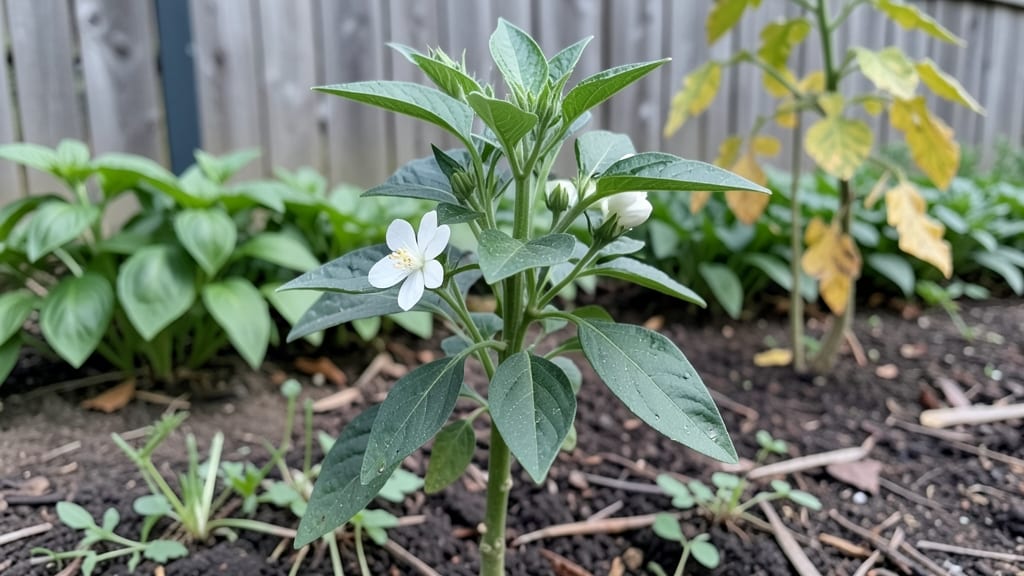
Growing the Szechuan pepper flower 🌸 lets you cultivate a plant that delivers both bold flavor and striking beauty—but only if you nail the timing and care.
Imagine a flower that delivers a fiery kick with every touch—this isn’t a fantasy, but the Szechuan pepper flower, a unique plant prized for its culinary spice and ornamental beauty.
Growing it from seed unlocks a world of tingling, numbing flavors for your kitchen, but only if you know the secrets to nurturing its delicate yet resilient nature.
In USDA Zone 6a, this shrub thrives when planted in spring (April–May), where it needs full sun and well-draining soil to reach its mature height of 3–6 feet. The key? Balancing water, fertilizer, and patience—because those spicy peppercorns won’t form without the right conditions.
From seed to harvest, I’ll walk you through every step—so you can grow a plant that’s as rewarding in the garden as it is in the kitchen.
Szechuan pepper flower care guide: light, soil, and water needs for optimal growth
The Szechuan pepper flower (Zanthoxylum bungeanum) thrives when you mimic its native conditions—bright sunlight, well-draining soil, and moderate moisture. As a sun-lover, this shrub rewards you with vibrant flowers and spicy peppercorns when given the right care.
Let’s break down the essential growing conditions to ensure your plant grows strong and productive.
First, light is non-negotiable. This plant demands full sun exposure—at least 6 to 8 hours daily—to produce its signature tingling spice. Without enough sunlight, growth slows, and peppercorn yield drops dramatically.
If you’re growing indoors, place it near a south-facing window or supplement with grow lights during shorter days.
| Requirement | Specification |
|---|---|
| Sunlight | 6–8 hours of direct sunlight daily |
| Soil Type | Well-draining, slightly acidic (pH 5.5–6.5) |
| Watering | Deep watering every 7–10 days (adjust for heat) |
| Temperature | Ideal: 60–80°F; frost-sensitive (below 20°F risks death) |
| Humidity | Moderate to high humidity (40–60%) |
| Mature Size | 4–6 feet tall and wide |
For soil, aim for a loamy, well-draining mix with slightly acidic pH (5.5–6.5). Amend heavy clay soils with compost or perlite to prevent root rot—a common issue in waterlogged conditions. If your soil is sandy, add organic matter like peat moss to retain moisture without suffocating roots.
A mulch layer (2–3 inches of straw or wood chips) helps regulate soil temperature and reduces evaporation.
Watering is where many gardeners stumble. The Szechuan pepper is drought-tolerant once established, but young plants need consistent moisture. Water deeply every 7–10 days, ensuring the top 2–3 inches of soil dry out between sessions.
Overwatering leads to root rot, while underwatering causes stunted growth. In summer heat, increase frequency to every 5–7 days, but always check soil moisture before watering.
Temperature plays a critical role, especially for young plants. Frost (below 20°F) can kill your Szechuan pepper, so protect it with row covers or grow it in USDA Zones 6–9.
If you live in colder climates, container-grown plants can be moved indoors during winter. Even in mild winters, dormancy occurs—reduce watering and fertilizing to let the plant rest.
Humidity matters too. While this plant adapts to moderate levels (40–60%), it thrives in higher humidity. If your air is dry (common indoors), use a humidifier or place the pot on a pebble tray with water.
In low-humidity climates, mist leaves occasionally to mimic its native environment. Avoid soggy leaves, though—fungal diseases like powdery mildew can set in if humidity is too high without airflow.
Troubleshooting common issues starts with observation. Yellowing leaves often signal overwatering or poor drainage, while drooping can mean underwatering or root-bound conditions. Pests like aphids or spider mites may appear if the plant is stressed—treat with neem oil or insecticidal soap for organic control.
Prune dead or diseased branches in early spring to encourage vigorous new growth.
To maximize flower and peppercorn production, feed your plant with a balanced fertilizer (10-10-10) every 4–6 weeks during spring and summer. Stop fertilizing in fall and winter to allow the plant to harden off for dormancy.
A light top-dressing of compost in early spring gives it a natural nutrient boost without risking over-fertilization.
With the right light, soil, and water balance, your Szechuan pepper flower will reward you with fragrant blossoms and spicy peppercorns in late summer to early fall.
The key is patience—this shrub takes 2–3 years to mature fully, but the wait is worth the tingling, citrusy spice it delivers. Start with these care basics, and you’ll be harvesting homegrown Sichuan flavor in no time! 🌱
Step-by-step guide to growing Szechuan pepper flowers from seed to spice
The journey from a tiny Szechuan pepper seed to a spice-producing shrub is one of my favorite gardening adventures. These plants start as delicate seedlings but grow into hardy shrubs that reward you with tingling peppercorns and fragrant flowers.
The key to success lies in patience and understanding each growth stage—from seed germination to flowering and harvest. Let’s break it down into manageable steps so you can nurture your plant from start to finish.
Szechuan pepper flowers thrive when you mimic their natural habitat, which means well-draining soil, full sun exposure, and careful watering. Unlike many plants, they’re sensitive to overwatering, so consistency is critical.
If you’re new to growing this spicy shrub, don’t worry—I’ll walk you through every phase, including how to prune for bushier growth and recognize when those harvest-ready flowers are ready to become peppercorns. Grab your gloves, and let’s get started!
Step-by-Step Growth Process
-
Step 1: Seed Germination
Start indoors 8-10 weeks before last frost. Use a seed-starting mix and plant seeds 1/4 inch deep in pots. Keep soil moist at 70-75°F and cover with plastic wrap until sprouts appear (2-4 weeks). -
Step 2: Seedling Care
Once sprouted, place seedlings under grow lights (12-14 hours/day) or in a sunny window. Harden off seedlings by gradually exposing them to outdoor conditions for 1-2 weeks before transplanting. -
Step 3: Transplanting
Plant outdoors after last frost in well-draining soil with a pH of 6.0-7.0. Space seedlings 3-4 feet apart to allow room for growth. Water deeply after transplanting to reduce shock. -
Step 4: Pruning for Bushiness
Prune in early spring to encourage new growth. Cut back 1/3 of the plant’s height and remove any dead or crossing branches. This step is crucial for a fuller, more productive shrub. -
Step 5: Flowering and Pollination
Flowers appear in late spring to early summer. Hand-pollinate if needed by gently shaking branches to ensure peppercorn development. Watch for bright yellow-green flowers as a sign of progress. -
Step 6: Harvesting Peppercorns
Harvest when berries turn deep red-purple (typically late summer to early fall). Remove berries by hand, then dry them in a well-ventilated area for 2-3 weeks before cracking open for spice.
One of the most rewarding parts of growing Szechuan pepper flowers is watching the transformation from seed to spice. The first year focuses on establishing a strong root system, while year two typically yields your first harvest.
If you notice your plant struggling, check for overwatering or poor drainage, as these are common issues. Mulching around the base helps retain moisture while preventing weeds.
As your shrub matures, you’ll see vibrant flowers followed by peppercorns that pack a unique flavor profile. These aren’t just for cooking—they’re a conversation starter in any garden! Once established, Szechuan pepper plants are low-maintenance, making them perfect for both novice and experienced gardeners.
Just remember: patience is key—these plants take time to reach their full potential.
Ready to add a touch of spice to your garden? Follow these steps, and you’ll be harvesting your own Szechuan peppercorns in no time. The journey from seed to spice is as exciting as the final product—so get planting, and enjoy the process! 🌱