
Blooming
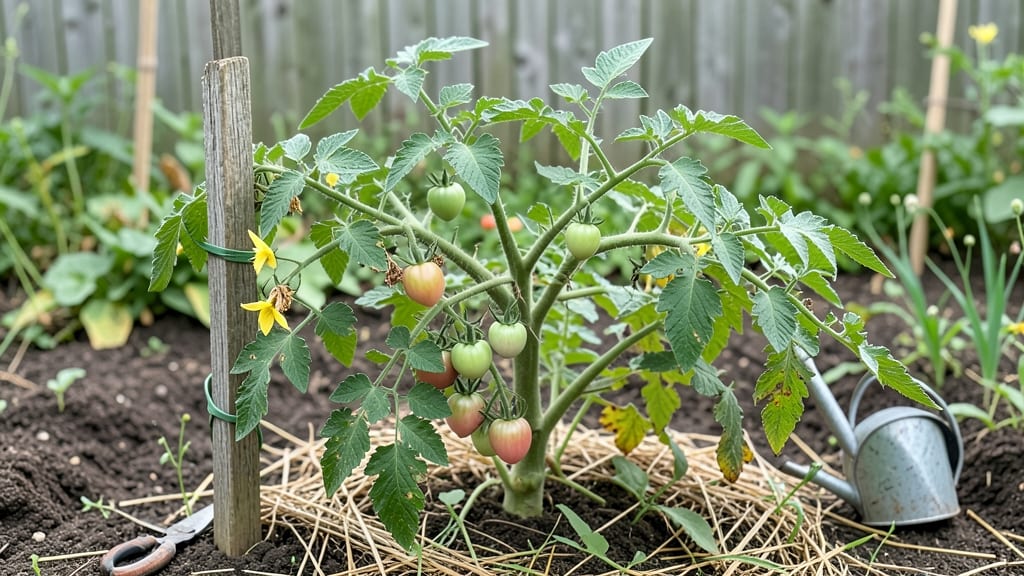
Seeing your tomato flowers dying before they turn into fruit is one of the most frustrating gardening puzzles—especially when you're staring at a promising plant that refuses to produce.
I've lost count of how many tomatoes I've watched wither away after seeing their blooms fall, only to later discover the fix was simpler than I thought. The good news?
Most cases boil down to three common issues: temperature swings, inconsistent watering, or a nutrient imbalance that's easy to correct once you know what to look for.
Here's the thing—tomatoes are finicky about consistency. A sudden heatwave above 90°F can cause flowers to drop within hours, while uneven moisture sends roots scrambling for stability instead of supporting fruit development.
Even a minor calcium deficiency (that's right, it's not always blossom end rot) can trigger wilting before the flower even has a chance to turn into a tomato. The key is spotting the visual clues: flowers that shrivel and fall without turning brown? Likely heat or water stress.
Flowers that stay attached but look limp and pale? Probably a nutrient issue.
By the end of this guide, you'll know exactly how to revive those wilting blooms—whether it's adjusting your watering schedule to deep but infrequent soakings, providing afternoon shade during heatwaves, or giving your plants a quick foliar spray of calcium-rich compost tea.
The best part? These fixes work whether you're growing in a backyard garden, raised beds, or even containers on your patio. Let's turn those sad little flowers into plump, red tomatoes before the season slips away.
We'll also cover the long-term habits that keep your tomato plants blooming happily—like mulching to stabilize soil temps, choosing heat-tolerant varieties for your zone, and recognizing when to prune (or not prune) to encourage more flowers.
Trust me, once you master these tricks, you'll be the one neighbors ask for tomato starts every spring. The secret isn't complicated—it's just consistent care with a little troubleshooting know-how.
Root Causes Behind Drooping Tomato Flowers
When your tomato plants refuse to set fruit and their flowers wilt or drop prematurely, it’s often a sign of underlying stress. Understanding the why behind this issue is the first step to saving your harvest.
Below, we break down the most common culprits—backed by science—and explain how they disrupt your plant’s reproductive process.
🌡️ Extreme temperatures: too hot or too cold
Tomatoes thrive in moderate temperatures (60–85°F / 15–29°C). When flowers face heat stress above 90°F (32°C) or cold snaps below 55°F (13°C), their pollen production and fertilization process shut down.
- Heat Stress: High temperatures cause pollen to desiccate (dry out) before it can fertilize the ovules. This is why even well-watered plants may drop flowers in scorching weather. 🌞
- Cold Stress: Chilly nights slow metabolic processes, preventing flowers from opening properly or producing viable pollen. Frost can also kill delicate blossoms overnight. ❄️
Actionable Fix:
- Use shade cloth (30–50%) during heatwaves to keep temps below 90°F.
- Plant heat-tolerant varieties like Solar Fire or Heatmaster if your climate is consistently hot.
- Mulch heavily to regulate soil temps and protect roots from temperature swings.
💧 Watering woes: too much or too little
Tomatoes are sensitive to moisture fluctuations, and inconsistent watering leads to flower drop. Here’s how:
- Underwatering: Stress from dry soil triggers abscission (the natural shedding of flowers) to conserve energy. Wilting blossoms often signal the plant is prioritizing root survival over fruit production. 💧
- Overwatering: Soggy roots suffocate the plant, preventing nutrient uptake. Excess water also leaches calcium from the soil, leading to blossom end rot (which can indirectly cause flowers to abort). 🌊
- Inconsistent Watering: Fluctuations in soil moisture confuse the plant, causing flowers to drop before setting fruit. This is especially common in container-grown tomatoes.
Actionable Fix:
- Water deeply 1–2 times per week (1–2 inches of water), ensuring moisture reaches the root zone.
- Use drip irrigation or soaker hoses to deliver water directly to the soil, avoiding wet foliage (which promotes disease).
- Add calcium-rich amendments like crushed eggshells or gypsum to prevent nutrient imbalances.
🌱 Nutrient deficiencies: what’s missing?
Tomato flowers are energy-hungry and require specific nutrients to develop properly. Deficiencies in key elements can stall or halt the flowering process:
| Nutrient | Symptom in Flowers | Cause |
|---|---|---|
| Phosphorus (P) | Small, weak flowers; slow blooming; flowers drop easily. | Low P levels reduce energy for flower and fruit development. |
| Calcium (Ca) | Blossoms wilt or fail to set fruit; early flower drop. | Calcium is crucial for cell wall strength. Deficiency often occurs in cool, wet soils. |
| Boron (B) | Deformed or hollow stems in flowers; poor fruit set. | Boron aids in pollen tube growth. Deficiency is common in sandy or acidic soils. |
| Nitrogen (N) | Flowers appear but fail to open or drop quickly. | Too much N promotes leafy growth over flowering; too little stunts development. |
Actionable Fix:
- Test your soil with a home kit or send a sample to a lab for a full analysis.
- Apply a balanced fertilizer (10-10-10 or 5-10-10) at the first sign of flowering, then switch to a low-nitrogen, high-phosphorus formula (e.g., 2-10-10).
- Add Epsom salt (magnesium sulfate) for calcium and magnesium support (1 tbsp per gallon of water, applied foliarly).
🦟 Pest & disease pressure: hidden saboteurs
While pests like hornworms and aphids might seem like they’re going for the leaves, their damage can indirectly kill flowers by sapping the plant’s energy. Diseases like early blight or powdery mildew also weaken tomato plants, causing them to abort flowers as a survival mechanism.
- Hornworms & Beetles: These voracious eaters devour leaves and stems, reducing the plant’s ability to photosynthesize and support flowers. 🐛
- Aphids & Whiteflies: They excrete honeydew, which attracts sooty mold—a fungal growth that blocks sunlight and stresses the plant. 🐜
- Fungal Infections: Diseases like Fusarium wilt or Verticillium wilt clog the plant’s vascular system, preventing nutrients from reaching the flowers. 🍄
Actionable Fix:
- Handpick pests early in the morning and drop them in soapy water. Introduce beneficial insects like ladybugs or lacewings. 🕷️
- Spray neem oil or insecticidal soap on affected areas (avoid spraying flowers directly).
- Improve air circulation with pruning and spacing to reduce humidity and fungal spores.
- Rotate crops annually to prevent soil-borne diseases from building up.
🌿 Hormonal imbalances: too much or too little of a good thing
Tomatoes produce ethylene gas and auxin hormones, which regulate flowering and fruit set. Disruptions in these natural processes can lead to flower drop:
- Excess Auxin (from Over-Fertilizing): Too much nitrogen or synthetic growth hormones can suppress flowering and cause flowers to abort. 🌱
- Ethylene Stress: Physical damage (like pruning too aggressively) or stress from transplant shock can trigger ethylene production, leading to premature flower drop.
- Competition for Resources: If the plant is already producing too many leaves or fruits
How to solve it
When your tomato flowers start wilting and dying, it’s not just a setback—it’s a sign your plants need a little TLC. The good news? Most causes have simple, effective fixes. Below, we’ll match common problems to practical solutions, so you can revive those blooms and boost your harvest. 🌱🍅
🌡️ Overheating or Heat Stress
If your tomato plants are struggling in scorching temperatures, their flowers may drop or wilt due to heat stress. Here’s how to cool them down:
- 💦 Provide shade: Use shade cloth (30-50%) to protect plants from direct sun during peak hours (10 AM–4 PM).
- 🌊 Mulch heavily: Apply 2–3 inches of organic mulch (straw, grass clippings, or wood chips) to keep roots cool and retain moisture.
- 🚰 Water deeply in the morning: Soak the soil at the base (not the leaves) to avoid evaporation. Aim for 1–2 inches of water per week.
- 🌿 Prune strategically: Remove lower leaves to improve airflow and reduce heat absorption by the plant.
💡 Pro Tip: Avoid wetting leaves during hot days—this can cause sunburn. Water at soil level instead.
💧 Underwatering or Drought Stress
Tomato flowers are sensitive to moisture fluctuations. If the soil is too dry, blooms may shrivel and fall off. Revive them with these steps:
- 📏 Check soil moisture: Stick your finger 1–2 inches into the soil. If it’s dry, it’s time to water.
- 🌧️ Water consistently: Tomato plants need 1–1.5 inches of water per week, especially during flowering and fruiting. Use drip irrigation or soaker hoses for even distribution.
- 🌱 Improve drainage: If your soil is sandy or drains too quickly, mix in compost or coconut coir to retain moisture.
- 🌿 Avoid soggy soil: Overwatering can suffocate roots. Let the top inch of soil dry out between waterings.
✨ Prevention: Group tomato plants together to create a microclimate that retains humidity around the flowers.
🌪️ Wind or Physical Damage
Strong winds can bruise stems, tear petals, and even snap flower clusters. Protect your plants with these fixes:
- 🏗️ Install windbreaks: Use burlap sacks, straw bales, or a temporary fence to shield plants from gusts.
- 🌿 Stake or cage plants: Support tall varieties with sturdy stakes or cages to prevent bending and breakage.
- 🌱 Choose wind-resistant varieties: If you’re in a breezy area, opt for bushier types like ‘Patio’ or ‘Roma’ tomatoes.
- 🛡️ Prune gently: Remove damaged flowers or stems to redirect energy to healthier growth.
🎯 Quick Fix: After a storm, trim any broken stems with clean pruners and apply a light dose of seaweed fertilizer to help recovery.
🐛 Pests or Disease Attack
Pests like aphids, whiteflies, or fungal infections (e.g., early blight) can stress plants and cause flowers to drop. Act fast with these remedies:
- 🦟 Inspect leaves and stems: Look for chewed edges, sticky residue (honeydew), or dark spots. Common culprits include aphids, spider mites, and fungal spores.
- 🧼 Spray with neem oil or insecticidal soap: Mix 1 tbsp neem oil or 1 tsp mild soap per quart of water. Spray undersides of leaves where pests hide.
- 🌿 Remove infected parts: Prune and dispose of heavily damaged leaves or flowers to prevent spread.
- 🍄 Prevent fungal spread: Water at the base (not overhead) and space plants for airflow. Apply copper fungicide if early blight appears.
🔥 Emergency Tip: For severe infestations, isolate affected plants and treat with horticultural oil or a systemic insecticide like imidacloprid (follow label instructions).
🌱 Nutrient Deficiencies or Over-Fertilizing
Too little (or too much!) fertilizer can stunt flower production. Balance nutrients with these adjustments:
- 📊 Test your soil: Use a cheap soil test kit to check pH (ideal: 6.0–6.8) and nutrient levels.
- 🌿 Feed with the right mix: Use a balanced fertilizer (10-10-10) during early growth, then switch to a low-nitrogen, high-phosphorus (5-10-10) fertilizer when flowers appear to encourage blooming.
- 🚫 Avoid over-fertilizing: More fertilizer ≠ better harvests. Overdoing it burns roots and stresses plants.
- 🍄 Add compost or worm castings: Organic matter improves soil structure and provides slow-release nutrients.
💡 Organic Boost: Mix in banana peels (rich in potassium) or eggshells (calcium) to support flower and fruit development.
🌿 Poor Pollination
Tomatoes are self-pollinating, but sometimes they need a little help—especially in greenhouses or rainy weather. Try these tricks:
- 🐝 Hand-pollinate flowers: Gently shake plants in the morning (when flowers are open) or use a small brush to transfer pollen from one flower to another.
- 🌧️ Avoid overwatering flowers: Wet blossoms can prevent pollen from sticking. Water soil, not leaves.
- 🐝 Attract pollinators: Plant bee-friendly flowers nearby (e.g., marigolds, basil, or borage) to lure in natural helpers.
- 🌿 Prune for airflow: Thin out crowded foliage so bees can access flowers easily.
⏰ Timing Matters: Pollinate in the morning when humidity is lower and flowers are fresh.
Frequently asked questions
1Why do tomato flowers wilt and die suddenly even when my plant looks healthy?
Sudden wilting often signals environmental stress—like heat stress above 90°F or inconsistent moisture. Flowers drop to conserve energy when roots struggle to absorb nutrients. Check soil moisture with your finger: if it's dry 1-2 inches down, your plant is likely thirsty. For heat stress, provide afternoon shade with 30-50% shade cloth and mulch heavily to stabilize soil temps. The key is consistency—tomatoes hate fluctuations!
2How can I tell if my tomato flowers are dying from nutrient deficiency vs. pest damage?
Nutrient deficiencies show up as systemic symptoms—like pale yellowing leaves and weak flowers—while pest damage is usually localized. Check for aphids on undersides of leaves or chewed edges from hornworms. For nutrient issues, test your soil and apply a low-nitrogen, high-phosphorus fertilizer (like 5-10-10) when flowers appear. Calcium deficiencies often cause flowers to wilt before setting fruit—try a foliar spray of Epsom salt solution (1 tbsp per gallon).
3Is it too late to save tomatoes if flowers have already dropped?
Not necessarily! If your plant still has healthy foliage and roots, it can produce new flowers within 2-3 weeks. Focus on deep watering 1-2 times weekly and providing afternoon shade. For existing flowers, hand-pollinate gently by shaking the plant or using a small brush to transfer pollen between blooms. Just avoid over-fertilizing—too much nitrogen will encourage leafy growth over new flowers.
4What's the best way to prevent tomato flowers from dying in containers?
Containers dry out faster and have less soil stability—so water deeply until it drains from the bottom every 2-3 days in hot weather. Use self-watering pots or add moisture-retentive materials like coconut coir to your potting mix. Group containers together to create a microclimate that retains humidity around flowers. For heat protection, move containers to a shadier spot during peak afternoon sun (1-5 PM).
5Can I revive tomato flowers that are already wilting with any quick fixes?
For immediate relief, try a cool water soak (not ice-cold) for the roots while providing indirect light. Avoid fertilizing stressed plants—let them recover first. If flowers are still attached but limp, you can gently hand-pollinate them using a small paintbrush to transfer pollen between blooms. The key is patience—revived flowers may take 24-48 hours to perk up, but they often recover if the root system is healthy!