
Flowers
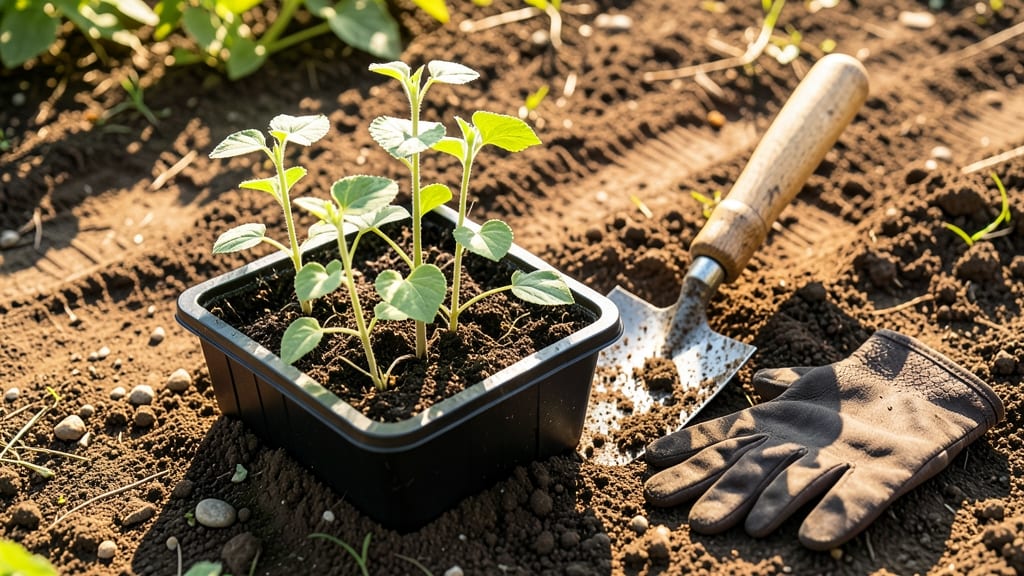
You can plant sunflowers in Florida from February through April or August to September for the best blooms—no frost to worry about, just perfect timing to beat the heat.
Picture this: you’ve waited months for those towering 🌻 stalks to emerge, only to watch them wilt under Florida’s summer sun before they even bloom. That’s why knowing the exact planting windows—like starting seeds in early spring or late summer—makes all the difference.
Florida’s climate zones (from North to South) shift the ideal timing slightly, but the rule stays the same: plant when soil temps hit 50°F and give them space to stretch toward the sky.
Whether you’re in Zone 9a or 11, these months ensure your sunflowers soak up sunlight without fighting the elements.
Below, I’ll break down the two key planting seasons, how to extend your growing window, and the simple tricks to keep your sunflowers thriving—from seed to those showstopping blooms.
Optimal sunflower planting months in Florida’s climate zones
Florida’s three distinct climate zones—North, Central, and South—create unique planting windows for sunflowers. Unlike northern states, you won’t face frost, but soil temperature and humidity spikes still dictate success.
In North Florida (Zones 8a-9a), cooler winters mean earlier planting, while South Florida (Zones 10b-11) allows near-year-round growth with careful variety selection.
Sunflowers thrive when soil stays above 50°F (10°C), but germination slows below 60°F (15°C). Florida’s high humidity can also delay sprouting—planting in dry, sunny conditions (like early spring) speeds things up.
For bigger blooms, aim for full sun (6+ hours daily) and well-draining soil to prevent root rot.
Here’s your region-specific planting guide, including frost-free deadlines and heat tolerance tips:
In North Florida, your last frost date hovers around January 1, so February is ideal for spring planting.
For fall, August–September gives sunflowers 80–90 days to mature before cooler temps arrive. Central Florida’s longer growing season lets you plant as early as January, but avoid summer heatwaves—they can cause bolting (premature flowering).
South Florida gardeners enjoy year-round flexibility, but humidity drops in winter (November–February) improve germination. Plant dwarf varieties like ‘Teddy Bear’ in October for holiday blooms, or try ‘ProCut’ (a cut-flower hybrid) in March for summer arrangements.
Always space seeds 6 inches apart—crowding leads to pale, leggy stems.
Pro tip: Test soil moisture before planting. Stick your finger 1 inch deep—if it’s dry, water lightly.
Florida’s clay-heavy soils in the Panhandle benefit from compost amendments, while sandy soils in South Florida need organic mulch to retain moisture. Drip irrigation keeps leaves dry, reducing powdery mildew risk in humid zones.
For second-season sunflowers, sow ‘Russian Giant’ in late summer (August)—its 12-foot stems thrive in Central/South Florida’s long days. Just stake tall varieties in windy areas (like Gulf Coast regions) to prevent stem snapping. Pair sunflowers with basil or marigolds to deter pests naturally.
Remember: Sunflowers hate soggy roots. If your area gets 10+ inches of rain in a week, skip watering—overwatering is the #1 killer in Florida’s monsoon seasons. Let soil dry slightly between waterings, and never plant in low spots where water pools.
With these zone-specific deadlines and heat/humidity hacks, your sunflowers will bolt on schedule and bloom boldly, even in Florida’s unpredictable climate. Start with one variety per season, then expand your sunflower rainbow as you master timing!
How to extend your sunflower growing season in Florida
Florida’s long growing season means you can enjoy sunflowers 🌻 almost year-round—but that doesn’t mean you can plant anytime. The key to extending your blooming window lies in strategic timing and heat management.
By using shade cloth, choosing the right varieties, and practicing succession planting, you can push your sunflower season well beyond the standard spring window.
Most gardeners focus on February through April for spring sunflowers, but with a few adjustments, you can also grow them in late summer or even winter.
The trick? Start with heat-tolerant varieties like ‘Moulin Rouge’ or ‘Autumn Beauty’ and use shade protection to shield young plants from Florida’s intense afternoon sun.
Here’s how to maximize your sunflower season without sacrificing those iconic blooms:
- 1 Start seeds indoors 4-6 weeks before last frost (or late July for fall planting). Use grow lights to simulate long daylight hours and prevent leggy seedlings.
- 2 Use 30% shade cloth for young plants during 10 AM–4 PM in peak summer (June–August). This blocks 20–30% of sunlight while allowing enough light for growth.
- 3 Plant heat-resistant varieties like ‘Autumn Beauty’ (tolerates 95°F+) or ‘Moulin Rouge’ (drought-tolerant). These bloom 20–30 days faster than standard types in heat.
- 4 Succession plant every 2 weeks from February to September. Staggered plantings ensure continuous blooms and prevent overcrowding as stalks grow 4–15 feet tall.
- 5 Water deeply at soil level (1–2 gallons per plant) before 10 AM to avoid fungal diseases. Mulch with straw to retain moisture and regulate soil temps.
For a fall harvest, start seeds in late July or early August and use shade cloth until plants are 3 feet tall.
In South Florida (Zones 10–11), you can even plant sunflowers in winter (December–January) for early spring blooms—just choose dwarf varieties like ‘Teddy Bear’ to avoid wind damage.
Pro tip: If you’re in North Florida (Zones 8–9), aim for September planting to beat the worst heat. Use black plastic mulch to warm soil faster and speed up germination. With these techniques, you can enjoy sunflowers year-round—just adjust your timing based on your zone and microclimate.
Remember, sunflowers are fast growers (50–70 days to bloom), so don’t wait until the last minute. The earlier you start, the bigger and brighter those sun-kissed blooms will be by your next garden party! 🌻