
Vegetables
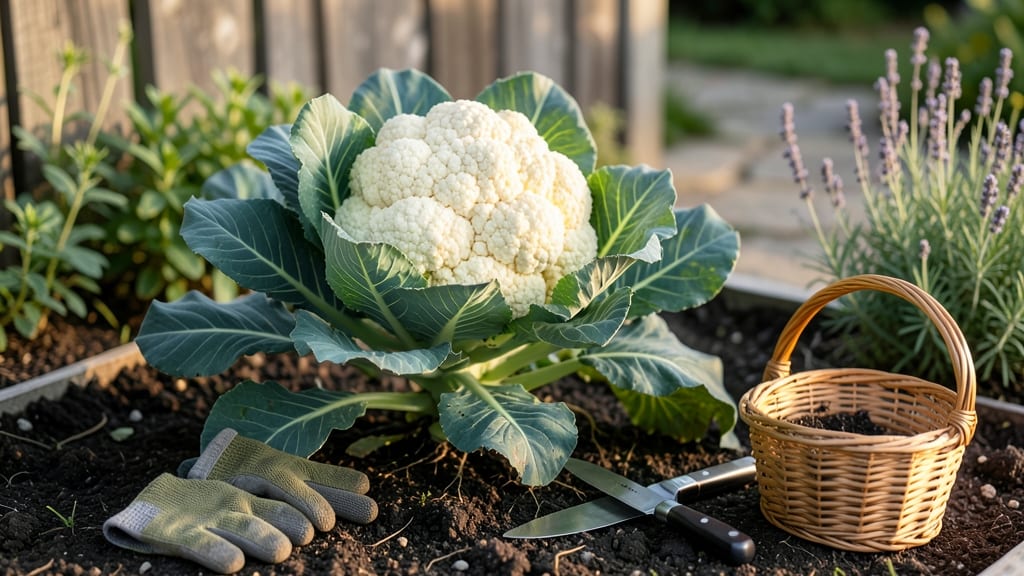
Cauliflower 🥬 is ready to be picked when its head reaches 6-8 inches and turns a rich, creamy color—usually 70-90 days after transplanting.
Picture this: you’ve nurtured your plants through cool spring days, and now the moment of truth arrives. One wrong move, and you’re left with a tough, bitter head or a wasted harvest. The difference between a perfect, tender cauliflower and a garden disappointment often comes down to timing.
Below, I’ll walk you through the three key signs that tell you it’s time to harvest—no guesswork involved. From head size to leaf color, these visual cues will help you pick your cauliflower at its peak, ensuring a flavor-packed meal every time.
You’ll also learn how to test for ripeness the right way, plus what happens if you harvest too early or too late. Let’s get started!


3 Visual signs your cauliflower is ready for harvest
Cauliflower 🥬 thrives when harvested at the perfect moment—typically 70-90 days after transplanting—but timing can be tricky. The key lies in three visual cues that signal peak ripeness. Missing these signs often results in heads that are either too small and loose or overripe and bitter.
Let’s break down what to look for so you can enjoy tender, flavorful cauliflower every time.
First, pay attention to the head size. A mature cauliflower should measure between 6-8 inches in diameter. Smaller heads may still be developing, while larger ones risk becoming woody or splitting. This size range ensures you get a compact, dense head that’s perfect for roasting, steaming, or raw dishes.
Next, observe the color. The ideal head should be a creamy white or pale green, depending on the variety. Purple or orange cauliflowers will have their own distinct hues, but the key is consistent color throughout the head.
If you notice yellowing or browning, it’s a sign the head is overripe and past its prime.
Finally, check the leaf curl and leaf color. As the head matures, the outer leaves will begin to yellow and die back, curling inward. This is your plant’s way of telling you the head is ready.
If the leaves remain green and healthy, the head likely needs more time to develop.
🌱 How to Spot a Ready Cauliflower Head
- 1. Head Size: 6-8 inches in diameter, firm and tight. Smaller heads are underdeveloped; larger ones may be woody.
- 2. Color: Creamy white, pale green, or variety-specific hue. Avoid yellowing or brown spots, which indicate overripeness.
- 3. Leaf Condition: Outer leaves yellowing and dying back. Healthy green leaves mean the head isn’t ready yet.
Pro Tip: Gently squeeze the head—it should feel firm and dense. If it feels soft or spongy, it’s not ready for harvest.
To avoid damaging your plant, use a sharp knife or pruning shears to cut the head about 1 inch below the base. This leaves room for any side shoots to form, giving you a second chance at harvest.
If you’re unsure, you can always do a taste test—a ripe cauliflower should be mild and slightly sweet, not bitter or fibrous.
Harvesting at the right time also depends on your climate and variety. In cooler weather, cauliflower matures faster, while hotter temperatures can slow growth. If you’re growing heirloom or purple varieties, their color cues will differ slightly, but the size and firmness rules still apply.
One common mistake is waiting too long, which leads to yellowing heads or even flowering. If you see the head starting to open up or turn yellow, it’s past its peak.
On the flip side, harvesting too early results in small, loose heads that lack flavor. Striking the balance ensures you get the best-tasting, most nutritious cauliflower possible.
For continuous harvests, consider planting multiple varieties with staggered maturity dates. This way, you’ll have fresh cauliflower ready to pick every few weeks throughout the growing season. Just remember: cool weather is ideal for cauliflower growth, so plan your harvests accordingly.
Now that you know what to look for, you’re ready to enjoy the fruits of your labor. Whether you’re a seasoned gardener or a beginner, these three visual signs will help you pick cauliflower at its absolute best—every single time. Happy harvesting! 🌿
How to test cauliflower ripeness: the 3-Step touch-and-taste method
Testing cauliflower ripeness doesn’t require fancy tools—just your hands, eyes, and even your taste buds. The 3-step method I use guarantees I never miss the perfect harvest window. Start by checking the head firmness, then examine the leaf curl, and finally, trust your taste buds for confirmation.
Most gardeners skip the taste test, but I swear by it—especially for heirloom varieties. A ripe cauliflower should taste sweet and mild, not bitter or fibrous. This simple method cuts down on wasted effort and ensures you’re always harvesting at peak flavor.
Here’s how to apply these steps without damaging your plant or missing the ideal moment:
Step-by-Step Ripeness Test
Gently squeeze the cauliflower head—it should feel solid and dense, like a firm baseball. If it’s soft or spongy, it’s not ready. Overripe heads feel hollow when pressed.
Look for yellowing outer leaves that start to curl inward. Healthy leaves should be green and upright—if they’re browning or dying back, the head is ready. Purple varieties may show darker hues at maturity.
Cut a small 1-inch piece from the head (not the center) and taste it raw. A ripe cauliflower tastes sweet and crisp. If it’s bitter or fibrous, wait 3-5 days before harvesting. This step saves you from picking underripe heads!
Troubleshooting is key—especially if your cauliflower heads seem uneven or split. Overwatering or uneven sunlight can cause this. For purple varieties, the color deepens as they mature, but the firmness test still applies. If your heads are smaller than 6 inches, they’re likely underdeveloped.
Once you’ve confirmed ripeness, harvest by cutting the entire head (including 1-2 inches of stem) with a sharp knife. This prevents the plant from sending energy to side shoots, which can be bitter. Store harvested cauliflower in the fridge for up to 5 days or freeze it for longer storage.
Pro tip: If your cauliflower starts to open up or turn yellow, it’s past its prime. But don’t worry—you can still use it in cooked dishes where texture isn’t critical. The key is to act fast when you spot those yellowing leaves and firm head!