
Plants
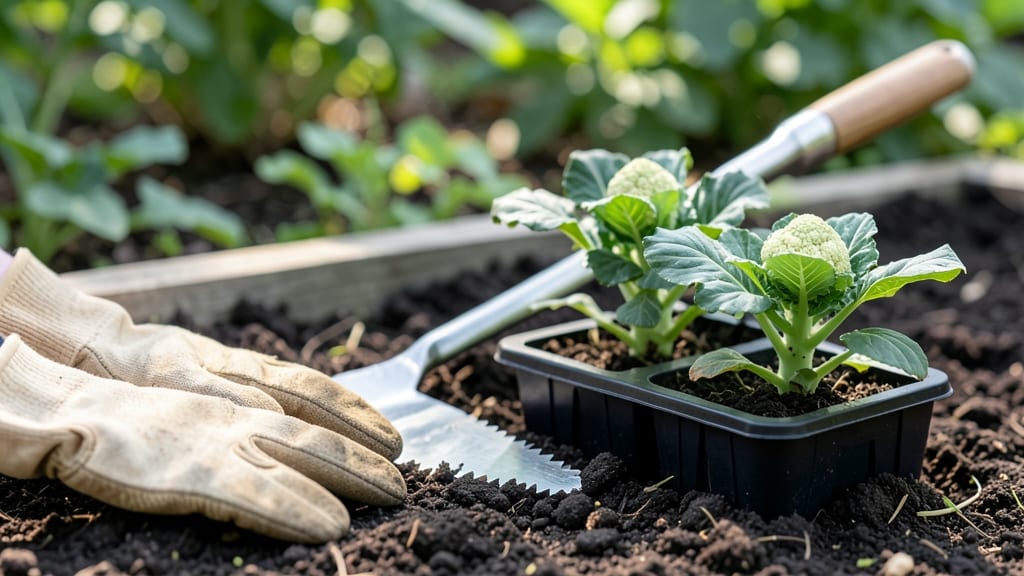
Planting cauliflower in Zone 7 means timing it just right for cool weather and avoiding summer heat — the key to bold, firm heads instead of bitter bolts.
Picture this: you’ve prepped the soil, your seedlings are ready, and then—suddenly—the thermometer spikes into the 80s. That’s why spring and fall windows matter so much in Zone 7, where a misstep can turn your garden into a sad, yellowing mess.
Most gardeners in Zone 7 plant cauliflower 🥬 in early spring (March–April) or late summer (August–September), but the exact dates depend on whether you’re in the cooler northern parts or the milder southern stretches of the zone.
Get it wrong, and you’ll either wait forever for harvests or watch your plants race toward seed before they form heads.
Below, I’ll walk you through the precise planting schedule for your region, the best cold-hardy varieties to choose, and how to stretch your season without risking bolting. No guesswork — just a foolproof plan for Zone 7’s tricky climate.
Optimal planting windows for cauliflower in Zone 7: early vs late season
Cauliflower loves cool weather, making Zone 7 perfect for two growing seasons—spring and fall. But timing is critical: plant too early, and you risk frost damage; too late, and your plants may bolt from heat.
The key is understanding your last frost date and soil temperatures. Most Zone 7 gardeners experience their last frost around mid-April, but your exact date depends on elevation and microclimate.
For accurate planning, check your local USDA Plant Hardiness Zone map and average frost dates. If you're unsure, use a frost calendar from your local Cooperative Extension office.
For example, Northern Zone 7 (like Cincinnati) may have frost until April 20, while Southern Zone 7 (like Atlanta) might see frost as late as March 25. Adjust your planting schedule accordingly to avoid cold soil stress.
Here’s the critical rule: Cauliflower needs soil temperatures between 60°F and 75°F to germinate and thrive. If your soil is colder than 50°F, seeds may rot or fail to sprout.
Use a soil thermometer to check temperatures before planting. For spring crops, aim to plant when soil warms to 60°F, typically 4-6 weeks before your last frost date.
| Planting Method | Spring Planting Window | Fall Planting Window | Soil Temp Requirement | Key Considerations |
|---|---|---|---|---|
| Direct Sowing | March 15 - April 1 (Northern Zone 7) March 1 - March 15 (Southern Zone 7) |
August 1 - August 15 | 60°F - 75°F | Slow germination; use row covers for warmth. Thin seedlings to 12-18" apart. |
| Transplants (4-6 weeks old) | April 1 - April 30 (Northern Zone 7) March 15 - April 1 (Southern Zone 7) |
August 15 - September 1 | 55°F - 65°F (for transplanting) | Hardier than direct sowing; less risk of bolting. Acclimate plants to outdoor temps before transplanting. |
| Succession Planting | Every 2-3 weeks until May 15 | None (fall crops are one-time) | 60°F - 70°F | Extend harvest season; plant heat-tolerant varieties like 'Snowball Y Improved' for later successions. |
Spring planting is the most common approach, but fall cauliflower can be just as rewarding in Zone 7. Start seeds indoors 8-10 weeks before your first frost (typically mid-June) or transplant mid-August to early September.
Fall crops benefit from cooler autumn temperatures and often produce sweeter, tighter heads than spring plants. Just be sure to harvest before hard frosts hit in October.
If you’re transplanting, 4-6 week old seedlings work best. Harden them off for 7-10 days before moving to the garden to prevent transplant shock. For direct sowing, plant seeds ½ inch deep and keep soil moist until germination, which can take 7-14 days in cool soil.
Use row covers or a cold frame if nighttime temps dip below 50°F to protect young plants.
One common mistake in Zone 7 is planting too late in spring when soil temperatures rise above 75°F. Cauliflower hates heat, and plants will bolt (send up a flower stalk) if stressed.
To avoid this, choose heat-tolerant varieties like 'Cheddar' or 'Purple of Sicily' for late spring plantings. Alternatively, provide afternoon shade with a shade cloth to keep leaves cool.
For fall crops, focus on late August to early September plantings. This gives plants enough time to mature before first frost (usually mid-October in Zone 7). If your fall season is short, opt for fast-maturing varieties like 'Snowball' (70 days) or 'Early Snowball' (60 days).
Mulch heavily with straw or leaves to insulate roots and extend the growing season by 2-3 weeks.
Pro tip: Use a planting calendar to track your progress. Note your last frost date, soil temperature trends, and harvest windows for each planting. For example, if you plant on April 1, aim to harvest by June 15 before summer heat sets in.
Similarly, a September 1 planting should yield by October 30 before frosts arrive.
Remember, Zone 7’s microclimates vary. Coastal areas (like Charleston) may have milder winters, while inland regions (like Nashville) can experience earlier frosts. Adjust your schedule based on your specific location. With
Best cold-hardy cauliflower varieties for Zone 7 and how to choose them
Zone 7’s mild winters and hot summers demand cauliflower varieties that handle cool spring/fall temps while avoiding summer stress. The wrong choice leads to bolting or poor head formation—so selecting the right cultivar is half the battle.
Look for varieties with disease resistance and compact heads that mature before heat peaks.
Coastal areas in Zone 7 (like Virginia Beach) enjoy cooler microclimates year-round, while inland spots (like Nashville) face hotter summers. Your best bet? Early-maturing varieties for spring and heat-tolerant types for fall.
Below, I’ve narrowed it down to the top 5 varieties that thrive in Zone 7’s climate, plus a decision guide to match them to your microclimate.
Pro Tip: Always check seed packets for days to maturity—aim for 60–80 days to harvest before summer heat sets in. For fall crops, target 70–90 days before the first frost.
For coastal Zone 7 gardeners, prioritize Purple of Sicily or Graffiti—these handle humidity and cooler nights better. Inland growers should lean toward Snowball Y Improved for spring or Avalanche for fall, as they tolerate hotter days slightly better. Cheddar is the all-purpose winner, thriving in most conditions.
When selecting, also consider head color: Purple varieties like Purple of Sicily add visual interest, while white/cream types (Snowball Y) are more traditional. For small-space gardens, Graffiti’s compact size makes it ideal for containers or tight beds.
Finally, pair your variety with succession planting—sow Graffiti every 2 weeks in spring for a staggered harvest, or plant Avalanche in late summer to beat the heat. With the right choice, you’ll dodge bolting and enjoy crisp, flavorful heads all season long. 🥬