
Flowers
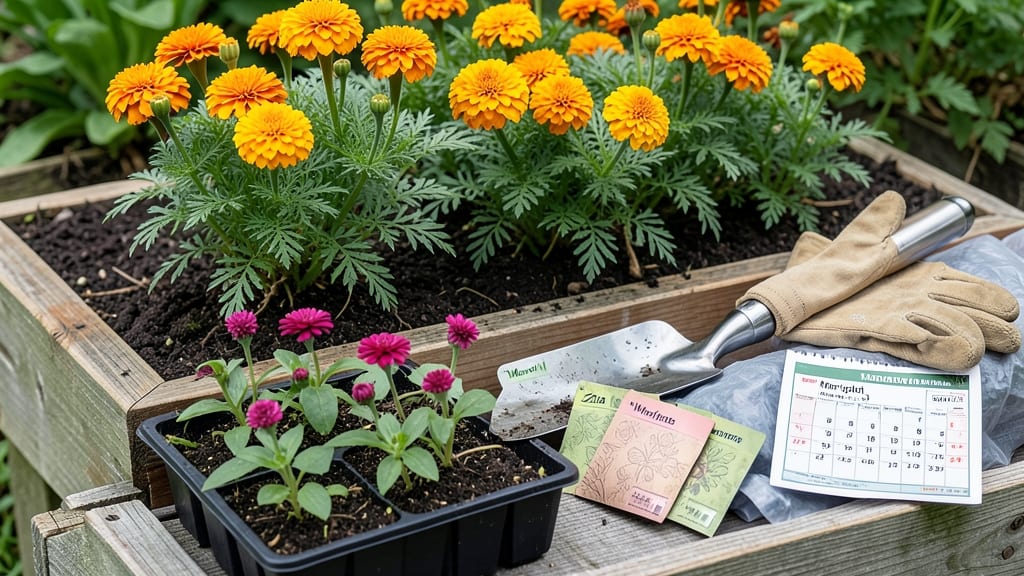
Planting flower seeds in Massachusetts at the right time means the difference between a burst of color and a sad, frost-nipped failure.
Massachusetts gardeners know timing is everything—plant too early and risk frost damage, too late and miss peak blooms. Mastering the state’s frost dates and hardy varieties ensures vibrant gardens from spring to fall.
With USDA Zones 5-7 across the state, your planting window shifts from the Cape’s milder coastal climate to the cooler inland valleys. Some flowers, like cosmos, thrive when sown directly after the last frost, while others, like snapdragons, can handle an early spring start.
Below, I’ll break down the exact frost dates by region, the best flowers for each season, and how to stretch your blooms with simple tricks like row covers and staggered sowing.
Massachusetts frost dates by region: when to plant flower seeds safely
Massachusetts' diverse geography means frost dates vary dramatically—from the coastal warmth of Cape Cod to the colder inland valleys of Western MA. Understanding these regional differences is key to planting flower seeds at the perfect time, whether you're in USDA Zone 5b (Worcester) or Zone 6b (Boston).
Get it wrong, and your cosmos or marigolds could bolt in heat or freeze before blooming.
Most gardeners focus on last spring frost dates, but first fall frosts are equally critical for extending your season. For example, Cape Cod's Zone 6b-7a enjoys a 2-3 week longer growing season than the Berkshires.
Even within cities, microclimates matter—a south-facing urban garden might be 5-10°F warmer than a shaded backyard just blocks away.
To simplify, I've mapped out average frost dates for four key regions, plus how to adjust for your specific microclimate. Pro tip: Use row covers to push back spring planting by 2-4 weeks or extend fall blooms by 3-6 weeks.
For Boston gardeners in Zone 6b, aim to sow cool-season flowers like pansies or sweet alyssum in early April under row covers. Wait until after Mother's Day (May 10) for warm-season favorites like zinnias or cosmos.
The Cape Cod climate lets you start 2 weeks earlier, while Western MA's shorter season demands faster-maturing varieties like bachelor's buttons or calendula.
Microclimates can shift your planting window by 1-2 weeks. A south-facing slope warms up 5-7 days earlier than a north-facing yard. Urban areas with concrete and pavement (like downtown Boston) can be 3-5°F warmer at night.
Test your soil temperature with a thermometer—most flower seeds need 50-60°F soil to germinate reliably.
Don't rely solely on calendar dates. Check the National Weather Service Boston or Massachusetts Extension Service for real-time updates. I also recommend setting up a local frost alert system—some years, late May frosts hit Boston, while Cape Cod escapes unscathed.
For fall planting, start annuals like cosmos in early August for September-October blooms before the first frost.
Pro move: Use transplanting to extend your season. Start petunia or geranium
Best flower seeds for Massachusetts gardens: cold-hardy annuals & perennials
Massachusetts’ variable climate demands smart flower seed choices—cool-tolerant varieties that thrive after frost or heat-loving annuals for late starts. I’ve tested these top performers across USDA Zones 5-7, from coastal Cape Cod to inland Worcester, to bring you the most reliable blooms with minimal fuss.
For spring planting, focus on cold-hardy annuals like snapdragons and sweet peas that handle light frosts, while summer bloomers such as cosmos and zinnias reward patience with nonstop color. Perennials like black-eyed Susans and coneflowers establish roots early, delivering years of effortless beauty.
Here’s my proven timeline for planting the best flower seeds in Massachusetts, broken down by season and variety—plus heat-tolerant picks for late starts.
Pro tip: Use row covers to extend your spring planting window by 2–4 weeks for heat-loving annuals like petunias. Just remove covers when flowers appear to prevent overheating.
For late starts, opt for fast-growing varieties like bachelor’s buttons or calendula, which bloom in 45–60 days even when planted in July. Pair them with self-seeding annuals like cosmos for continuous color.
My go-to perennials for low-maintenance gardens? Russian sage (drought-proof) and bee balm (pollinator magnet). Both thrive in Massachusetts’ clay-heavy soils and return year after year.