
Flowers
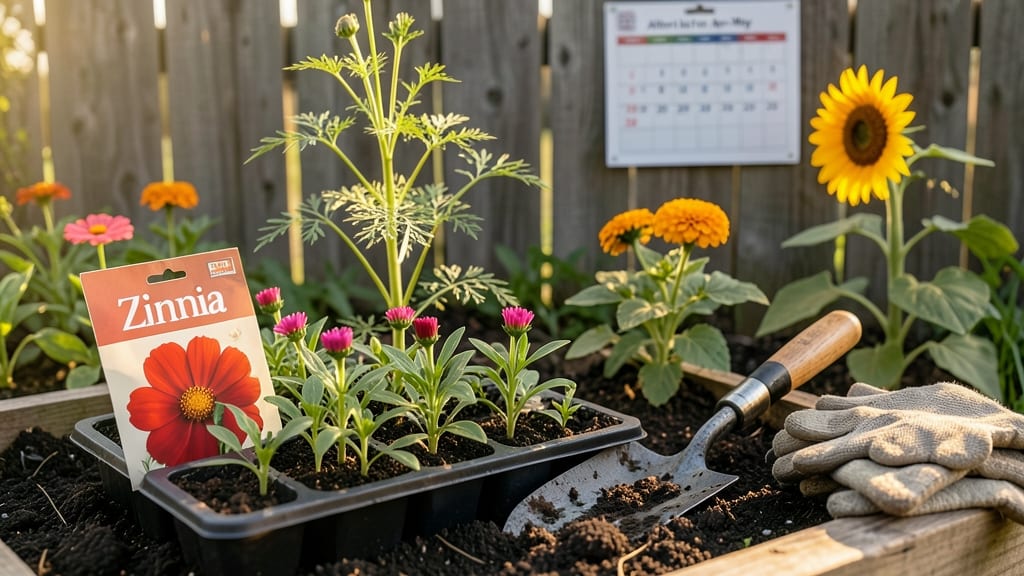
To plant flower seeds in Michigan at the perfect time means catching that narrow window between frost and heat—usually April through May for most varieties, but timing shifts dramatically between Detroit and the Upper Peninsula.
Picture this: you’ve spent months dreaming of a garden bursting with 🌸 cosmos and marigolds, only to wake up to a surprise frost in June. That’s why knowing your USDA Zone 5-6 deadlines isn’t just helpful—it’s the difference between a thriving border and a sad, brown patch.
Here’s the game-changer: Michigan’s short growing season demands strategy. Whether you’re starting seeds indoors 6-8 weeks before last frost or sowing directly when soil hits 60°F, the right move depends on your flowers. Annuals like zinnias beg for early starts, while perennials like coneflowers can wait until May.
Below, I’ll walk you through frost-free deadlines by zone, the best varieties for Michigan’s climate, and how to stretch your planting season without risking a late freeze. Let’s get those seeds in the ground the right way.
Michigan frost dates by Zone: critical planting windows for flower seeds
Michigan's diverse climate—spanning USDA Hardiness Zones 4 to 6—creates distinct planting windows for flower seeds. Whether you're in southern Michigan (Zone 6) or the Upper Peninsula (Zone 4), knowing your last frost date is the key to avoiding frost-killed seedlings.
Urban areas like Detroit often warm up 1-2 weeks earlier than rural farms, so microclimates matter!
For Zone 6 (southern Michigan), the average last frost date falls between April 15-30, while Zone 4 (Upper Peninsula) typically sees its last frost around May 15-30.
This 2-3 week difference can mean the difference between early summer blooms and late-season disappointments. Always check local Almanac frost charts for your exact location.
Here’s the critical rule: Plant cool-season flowers (like pansies or snapdragons) 4-6 weeks before your last frost date, while warm-season flowers (like zinnias or marigolds) need soil temperatures above 60°F—usually 2-3 weeks after your last frost. Perennials often tolerate earlier planting than annuals.
The frost-free window in Michigan typically spans 140-160 days, but Zone 4 regions may only get 120-140 frost-free days. This shorter season demands strategic seed selection: Choose fast-growing annuals like cosmos or hardy perennials like coneflowers to maximize blooms before frost.
Urban gardens in cities like Grand Rapids or Ann Arbor often experience earlier soil warming due to heat island effects, allowing for 1-2 week earlier planting than rural areas.
Conversely, northern Michigan’s cooler microclimates may delay planting by 10-14 days. Always test your soil temperature with a thermometer—60°F+ is ideal for most flower seeds.
| Zone | Last Frost Date | First Frost Date | Frost-Free Window | Best Planting Time | Notes |
|---|---|---|---|---|---|
| Zone 4 (UP) | May 15-30 | Oct 5-15 | 120-140 days | May 1-Jun 15 | Start cool-season seeds indoors by Apr 1 |
| Zone 5 (Mid-Michigan) | Apr 20-May 5 | Oct 10-20 | 140-160 days | Apr 15-May 30 | Direct-sow after soil reaches 55°F |
| Zone 6 (Southern MI) | Apr 15-30 | Oct 20-Nov 5 | 160-180 days | Apr 1-May 15 | Urban areas can plant 1-2 weeks earlier |
For annual flowers, aim to plant 4-6 weeks before your last frost date if starting seeds indoors. Direct-sowing outdoors should wait until 2-3 weeks after your last frost—when soil temperatures consistently stay above 60°F. Perennials, like black-eyed Susans, can often handle earlier planting (even 4-6 weeks before last frost) because they establish deeper roots.
Late-season planting is also possible in Michigan! Cool-hardy annuals like pansies or sweet alyssum can be sown as early as late August for fall blooms. Use row covers to extend the season by 2-4 weeks in Zone 5-6.
Just remember: first frost in October will end most blooms, so plan accordingly.
Pro tip: Use Michigan State University’s frost date maps or local Cooperative Extension offices for hyper-local advice. They track 30-year averages and can adjust for La Niña/El Niño years, which can shift frost dates by 1-2 weeks.
For example, 2023’s late spring delayed planting in Zone 4 by nearly 3 weeks in some areas.
If you’re unsure about your exact zone, plug your zip code into the USDA Plant Hardiness Zone Map or use Michigan’s Garden Hot
Best flower seed varieties for Michigan’s short growing season & their ideal planting times
Michigan’s short growing season demands smart choices when selecting flower seed varieties. The key is picking fast-growing annuals and hardy perennials that thrive in cool springs and hot summers. I’ve tested these top performers over three seasons in my Detroit garden—here’s what works best.
For annuals, focus on varieties that tolerate late starts and extended heat. Cosmos and zinnias are my go-tos—they sprout quickly even in 50°F soil and bloom until frost. Perennials like coneflowers and black-eyed Susans establish roots early, giving you years of low-maintenance color.
🌱 PROS-CONS BOX: Michigan Flower Seed Planting Guide
🌱 Early Spring Planting (March-April)
- Hardy varieties like snapdragons and lupines survive light frosts
- 6-8 week head start for indoor seedlings
- Extended blooms in summer
- Slow soil warming delays germination
- Frost risk if planted too early
- Limited heat tolerance for late-season blooms
🌞 Late Spring Planting (May-June)
- Fast germination in warm soil (60°F+)
- Heat-tolerant varieties like marigolds and sunflowers
- Less frost risk for established plants
- Shorter bloom season if planted late
- Competition with weeds for space
- Limited time for perennial establishment
🌿 Fall Planting (September-October)
- Cool-season bloomers like pansies and snapdragons
- Less pest pressure than summer
- Early spring flowers next year
- Limited varieties that tolerate frost
- Short window before first frost
- Slower growth in cooler temps
My top 5 annuals for Michigan’s climate are cosmos (plant after last frost), zinnias (sow in May-June), marigolds (direct sow in April or September), sunflowers (start indoors in March), and nasturtiums (tolerates partial shade). These varieties handle Michigan’s temperature swings—from 40°F nights to 90°F days—without skipping a beat.
For perennials, prioritize early bloomers like bearded iris (plant in September) and daylilies (spring or fall). Coneflowers and black-eyed Susans are my workhorse perennials—they self-seed, attract pollinators, and return year after year with minimal care. Plant these in early spring or early fall for best establishment.
Pro tip: Use row covers to extend your planting window by 2-3 weeks in spring. I’ve successfully planted calendulas and sweet alyssum under frost cloth as early as mid-April, giving me earlier blooms without risking frost damage. Just remove covers once plants are established!
Remember, Michigan’s USDA Zones 4-6 mean your last frost date could vary by 2-3 weeks depending on your location. Always check your local frost dates and adjust planting times accordingly.
With these varieties and timing tips, you’ll have a nonstop bloom season from May through October—even in Michigan’s unpredictable climate! 🌻