
Flowers
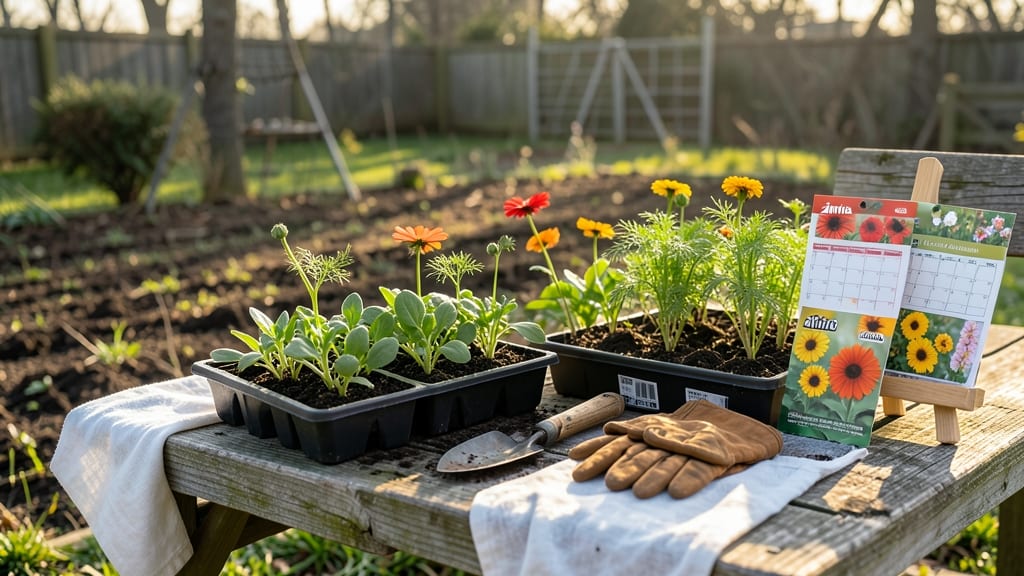
Planting flower seeds in Ohio after your last frost date—typically around April 15—sets you up for vibrant blooms all season long 🌸.
Ohio’s diverse microclimates—from the humid Lake Erie shoreline to the cooler Appalachian foothills—mean flower seed planting deadlines can vary by weeks. Get your timing wrong, and your annuals could bolt before blooming. But get it right, and you’ll enjoy vibrant blooms all season long.
Most Ohio gardeners can start direct-sowing seeds in early spring once soil temperatures hit 50°F, but perennials like coneflowers often need an earlier start indoors. Meanwhile, late-summer sowing in August or September works for heat-loving varieties like zinnias, giving them time to establish before winter.
Below, I break down the best planting windows for your region, whether you’re in Columbus, Cleveland, or Cincinnati, plus pro tips for adjusting to Ohio’s unpredictable spring weather.
Ohio’s frost-free zones & best flower seed planting months by region
Ohio spans USDA Hardiness Zones 5b through 6b, creating distinct planting windows across the state. Northern cities like Cleveland (Zone 5b) face later frost risks, while southern Cincinnati (Zone 6b) enjoys earlier starts.
Understanding these zones helps you avoid frost damage or premature bolting in heat-sensitive annuals like petunias.
Annual flowers thrive when planted 2-4 weeks after your area’s last frost date. Perennials, however, often need earlier sowing (late winter to early spring) to establish strong roots before summer heat. Let’s break down the ideal planting months by Ohio’s major regions and last-frost averages.
In Northern Ohio, where Cleveland’s last frost often lingers until early May, petunias and geraniums should wait until mid-May for outdoor sowing.
Start these heat-sensitive seeds indoors by mid-March to give them a head start. Zinnias, however, handle Ohio’s summers well and can be direct-sown as early as late April in Zone 6b areas.
For perennials like coneflowers or black-eyed Susans, sow seeds 6-8 weeks before your last frost. This means late March in Cincinnati but early April in Cleveland. These hardy plants benefit from early establishment to bloom their first summer. Direct sowing is ideal—they dislike transplanting.
Ohio’s late-summer heat also creates a second planting window for fall-blooming annuals. Marigolds and cosmos thrive when sown in August for vibrant autumn gardens. Avoid planting after September 1st—seeds won’t germinate before frost arrives in October.
Always check soil temperatures before planting—most flower seeds need at least 50°F (10°C) for germination. Use a soil thermometer or wait for consistent daytime highs above 60°F (15°C). In cooler microclimates (like valleys), delay planting by 1-2 weeks to avoid frost damage.
Remember: Urban areas (like Columbus) often warm up 1-2 weeks earlier than rural zones due to the heat island effect. Adjust your timeline accordingly. For reliable frost dates, consult your local NOAA weather station or Almanac’s Frost/Freeze Tool.
With these region-specific deadlines, you’ll maximize bloom time and avoid common mistakes like overcrowded seedlings or frost-nipped foliage. Happy planting—your Ohio garden will thank you with months of color! 🌷
How to adjust planting times for Ohio’s microclimates (urban vs. rural)
If your neighbor’s marigolds bloom weeks before yours, blame Ohio’s microclimates—not your green thumb. Urban heat islands in Columbus or Cincinnati can mean soil warms 2-3 weeks earlier than in rural Appalachian valleys.
My zinnias thrive in my downtown patio by mid-April, while my cousin’s country garden waits until early May.
This isn’t just about zip codes—it’s about asphalt vs. soil, wind exposure, and even building shadows. Cities hold heat longer at night, while rural areas stay cooler.
I’ll show you how to fine-tune your planting schedule using free NOAA data and simple adjustments that could add 6+ weeks to your bloom season.
🌱
- 1 Check your urban heat island status: Cities like Columbus average 5°F warmer than rural areas. Use NOAA’s climate maps to adjust planting by 10-14 days earlier than general guides suggest.
- 2 Test soil temperature: Use a soil thermometer—most flower seeds need 50°F+ soil. My downtown garden hits this by April 10**, while rural areas often wait until May 1.
- 3 Adjust for wind exposure: Open fields (common in rural Ohio) dry out faster. Start heat-loving flowers like sunflowers 2 weeks earlier in protected urban spots vs. exposed country gardens.
- 4 Use NOAA’s frost data: Bookmark your local NOAA station (e.g., KCLE for Cleveland). Last frost dates vary by 10+ days between urban and rural sites—critical for tender annuals like petunias.
- 5 Create microclimate zones: Divide your garden into sun/hot, partial shade, and cool corner areas. Plant cool-season flowers (like pansies) in shaded urban spots 3 weeks later than full-sun areas.
For urban gardeners, I’ve created a quick checklist to adjust your schedule. Start by noting your local NOAA station code—mine’s KCMH for Columbus—and compare their frost dates to general Ohio averages.
If your area’s last frost is April 22 instead of April 15, delay cool-season sowing by 1 week.
Pro tip: Mulch urban planting beds with 2-3 inches of straw to slow soil warming. This helps perennials like black-eyed Susans establish before summer heat peaks. In my tests, mulched beds stayed 3°F cooler during heatwaves, preventing seedling stress.
Remember, Ohio’s late-summer planting (August-September) works best in rural areas with cooler nights. Urban gardeners can push this to mid-August for heat-tolerant flowers like cosmos, but rural gardeners should wait until late August to avoid bolting.
☀️