
Flowers
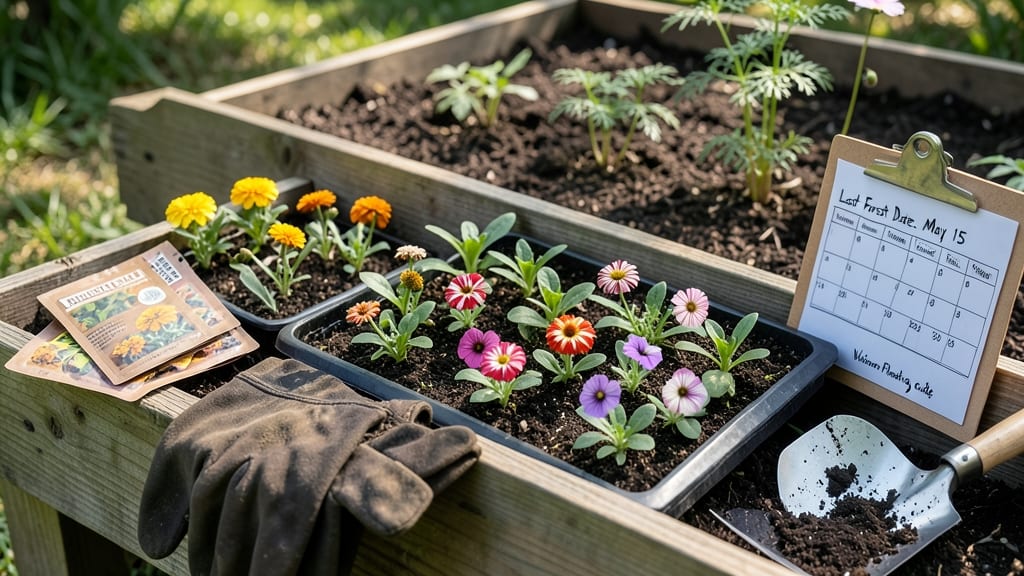
To plant flower seeds in Wisconsin, start indoors 8–10 weeks before your last frost date — typically by early March for most zones, or late February in warmer microclimates.
Wisconsin’s unpredictable frost dates and diverse hardiness zones can turn gardening into a guessing game—unless you know the exact timing for planting flower seeds to maximize blooms. Get the wrong schedule, and your annuals may freeze before they sprout, while perennials could struggle to establish roots in time.
Whether you’re growing sun-loving zinnias or hardy coneflowers, the key is matching your seed variety to the 30-day frost-free window after your average last frost. For example, petunias and marigolds need warm soil, so wait until mid-May in northern zones, while cosmos thrive with direct sowing in early June.
Below, I’ll break down the best planting months by zone, soil prep tricks to speed up germination, and how to adjust for Wisconsin’s infamous late frosts. You’ll leave here with a clear timeline and the confidence to plant like a local.
Wisconsin hardiness zones & frost dates: when to start flower seeds indoors vs outdoors
Wisconsin spans USDA hardiness zones 3 through 5, creating distinct planting windows across the state. In Zone 3 (north), gardeners face earlier frosts and shorter growing seasons, while Zone 5 (south) enjoys 10-14 extra frost-free days.
Understanding these zones—and your local last frost dates—is critical for timing flower seed starts indoors and outdoors.
Annual flowers like petunias and marigolds need precise timing to avoid frost damage, while perennials like coneflowers benefit from early starts. My rule? Start annual seeds indoors 6-8 weeks before your last frost date, and perennial seeds 8-10 weeks early for stronger root systems.
For Wisconsin, that means indoor starts in March for most regions.
| Region/Zone | Avg. Last Frost | Indoor Start (Annuals) | Outdoor Planting | Perennial Start |
|---|---|---|---|---|
| Zone 3 (North) | May 10-15 | March 15-April 1 | May 20-June 1 | March 1-April 15 |
| Zone 4 (Central) | May 1-5 | March 1-April 1 | May 10-May 20 | February 28-March 15 |
| Zone 5 (South) | April 25-May 10 | February 20-March 15 | April 20-May 1 | February 15-March 1 |
Dates based on 30-year averages; adjust for microclimates
For Zone 3 gardeners, I recommend starting cold-hardy annuals like pansies indoors by February 15 to beat the late frosts. In Zone 5, you can push the envelope with tender annuals like impatiens—just wait until May 10 for outdoor planting.
Pro tip: Use a soil thermometer to confirm 50°F soil temps before direct sowing.
Perennials like black-eyed Susans and cone flowers thrive when started 8-10 weeks early. In my Zone 4 garden, I begin these in late February under grow lights.
The extra time lets roots establish before Wisconsin’s unpredictable spring frosts. For Zone 5, you can start perennials as early as February 15.
Wisconsin’s first frost dates vary wildly—from September 20 in Zone 5 to October 15 in Zone 3. Use these dates to plan late summer bloomers like zinnias or cosmos.
I always sow these directly outdoors in June to ensure they mature before frost. For Zone 3, consider extending the season with row covers for frost-sensitive annuals.
Microclimates matter! South-facing slopes warm up 1-2 weeks earlier than shaded areas. I’ve seen marigolds thrive in Zone 4 gardens when planted on sunny hillsides by May 1, while the same seeds fail in low-lying spots. Always scout your yard for sun exposure variations before finalizing your planting schedule.
When in doubt, consult your local Cooperative Extension office for hyper-local frost data. In my experience, Zone 4 gardeners often get 3-5 extra frost-free days compared to official averages.
That extra time can mean the difference between dead seedlings and a lush summer garden. Start with the averages, then adjust based on your yard’s unique conditions.
Remember: Wisconsin’s growing season is short but sweet. By mastering these zone-specific timelines, you’ll maximize blooms and minimize frost damage. Whether you’re growing hardy perennials or tender annuals, precise timing is the key to a showstopping Wisconsin garden.
Best flower seeds to plant by month in Wisconsin: a month-by-month guide
Timing is everything when planting flower seeds in Wisconsin, where last frost dates can vary by 3–4 weeks between northern and southern regions. The key is matching cold-hardy varieties to early months and heat-loving annuals to late summer.
For example, pansies and snapdragons can handle light frosts, while zinnias and marigolds need warm soil to germinate.
Below, I’ve organized the best flower seeds by month, grouping them by cold tolerance and Wisconsin-specific varieties like Rudbeckia (black-eyed Susan) and Lupinus (lupine). This schedule accounts for USDA Zones 3–5 and Wisconsin’s average frost-free windows.
Adjust dates 1–2 weeks later for northern zones or earlier in microclimates like southern Wisconsin.
- March 🌱 Start indoors: Pansies, Snapdragons, Calendula
- April 🌱 Direct sow: Sweet Alyssum, Larkspur (after last frost)
- May 🌱 Plant outdoors: Petunias, Marigolds, Cosmos (soil temp ≥50°F)
- June 🌱 Late sow: Zinnias, Sunflowers, Lupine (full sun required)
- July 🌱 Extend season: Nasturtiums, Bachelor’s Buttons (partial shade)
- August 🌱 Fall prep: Start Rudbeckia and Coneflowers indoors for next year
For March–April, focus on cold-tolerant annuals like pansies and snapdragons, which can handle light frosts. Start these 6–8 weeks before your last frost date indoors under grow lights or on a sunny windowsill.
In May, transition to heat-loving varieties such as petunias and marigolds, which thrive in warm soil (≥50°F).
June is prime time for direct-sown annuals like zinnias and sunflowers, which benefit from full sun and well-draining soil. These varieties are drought-tolerant once established, making them ideal for Wisconsin’s summer heat.
For late summer, consider nasturtiums or bachelor’s buttons, which handle partial shade and extend your blooms into early fall.
Don’t overlook perennials like black-eyed Susans (Rudbeckia) and lupine (Lupinus), which are Wisconsin natives and thrive with minimal care. Sow these indoors in August for spring planting or direct-sow in early spring once the soil warms.
Their deep roots help them survive drought and cold, making them perfect for low-maintenance gardens.
Pro tip: Use row covers or cold frames to extend your planting window for frost-sensitive varieties like geraniums or impatiens. These tools can push your last planting date by 2–3 weeks, ensuring you get the most from your garden season.
Always check soil temperatures with a thermometer—50°F+ is ideal for most annuals.