
Flowers
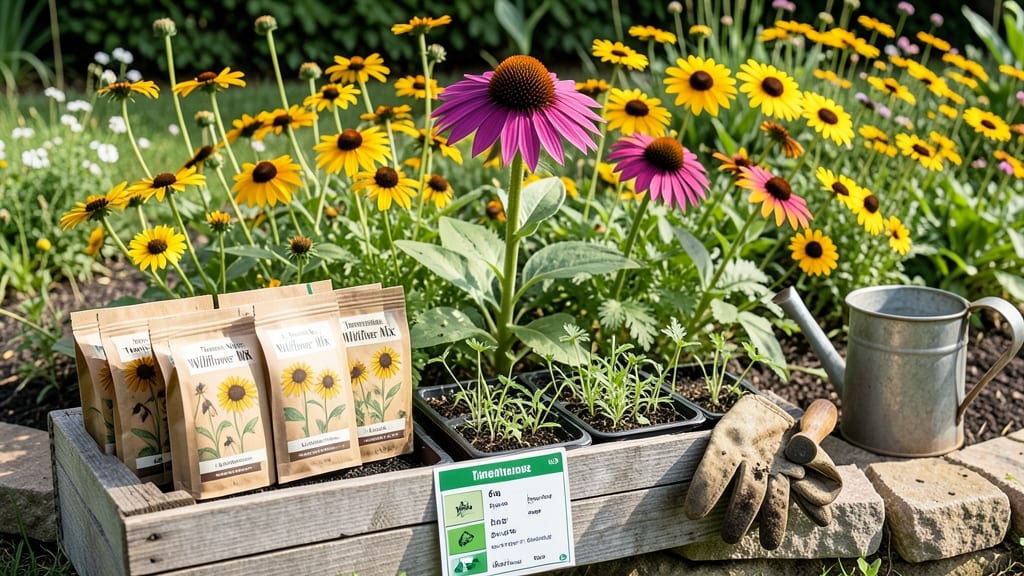
To plant flower seeds in Tennessee, aim for mid-March to early May in most zones, but timing shifts dramatically between East and West — a week too early in Nashville can mean frost-killed 🌸 blooms, while Memphis gardeners often wait until April.
Tennessee’s climate is a moving target: the Appalachian foothills in the east can still see frost in late April, while the Mississippi Delta warms up fast enough to plant zinnias by March. Without the right deadlines, you’re gambling with your garden’s entire season.
This guide breaks down county-specific frost dates, the best flowers for your growing window (like cosmos for short seasons or delphiniums for longer ones), and how to adjust for Tennessee’s unpredictable weather—so you can finally get those seeds in the ground at the perfect moment.
You’ll also find a checklist for soil prep, heat-sensitive varieties to avoid, and where to turn for local frost alerts—because even the best timing won’t help if a late freeze sneaks in.
Tennessee’s frost zones & ideal flower seed planting deadlines by county
Tennessee spans USDA Hardiness Zones 6-8, creating dramatic differences in frost timing from the Mississippi Delta’s Zone 7b to the Appalachian foothills’ Zone 6a. These zones dictate when to plant cold-hardy flowers like pansies or heat-loving marigolds.
For example, Memphis (Zone 7b) can plant zinnias as early as March 15, while Johnson City (Zone 6a) must wait until April 15 to avoid frost damage.
Your planting window hinges on last average frost dates, which vary by 10-15 days across the state. Western Tennessee’s urban heat islands (like Nashville) can be 5°F warmer than rural areas, extending your growing season by 1-2 weeks.
Meanwhile, East Tennessee’s high elevations (e.g., Great Smoky Mountains) face later frosts, pushing ideal planting dates into mid-April for many annuals.
Cold-hardy flowers like snapdragons and pansies can handle light frosts, while tender annuals such as petunias and geraniums require soil temperatures above 55°F. Use row covers or seedling heat mats to push early starts by 2-3 weeks in Zone 6a areas.
Below is your county-specific planting timeline, organized by USDA Zone and last frost date. Bookmark this for annuals, perennials, and cold-hardy flowers—and adjust for microclimates like sheltered garden beds or windy hilltops.
For fall planting, aim to sow seeds 8-10 weeks before your first frost. In Zone 7b, this means August 1–September 15, while Zone 6a gardeners should plant by August 15. Cold-hardy flowers like cosmos and calendula thrive in fall, often blooming until first frost.
Pro tip: Check soil temperatures with a soil thermometer—most seeds need 60°F+ to germinate. In Zone 6a, wait until soil hits 65°F for marigolds and 70°F for petunias. Use black plastic mulch to warm soil 5-10°F faster in cooler zones.
Microclimates matter! A south-facing slope in Chattanooga (Zone 7a) may warm enough for early marigold planting by March 1, while a shaded valley might delay planting by 2 weeks. Observe your garden’s frost pockets—low areas hold cold air longer, risking late frosts into May.
Need backup dates? Use the 10-day forecast to adjust: If a 32°F dip is predicted 5 days after planting, delay by 1-2 weeks or use row covers. For Zone 7b, this means watching
How to adjust planting dates for Tennessee’s unpredictable weather patterns
Tennessee’s weather is famously fickle—one week can bring 60°F sunshine, the next a 28°F surprise frost. For gardeners, this means rigid planting deadlines won’t cut it. Instead, you’ll need a flexible strategy that accounts for soil temperatures, microclimates, and real-time forecasts.
The key is to plant when the 10-day rolling average hits 55°F for two weeks straight, not just when the calendar says "spring."
For example, Memphis (Zone 7b) often warms up fast enough to direct-sow marigolds and zinnias by late March, while Chattanooga (Zone 7a) may still face frost until mid-April.
Even within cities, urban heat islands can create 5°F temperature differences—your downtown Nashville garden might be 3 days ahead of your rural neighbor’s.
Here’s where most gardeners go wrong: they rely on last frost dates alone. But a late frost can still hit after the "official" date—especially in East Tennessee’s high elevations.
Instead, combine frost data with soil thermometer readings (aim for 60°F+ for most flowers) and a 10-day forecast from the National Weather Service. Pro tip: Bookmark the Tennessee State University Extension frost alerts for your county.
⚠️ WARNING: Late Frost Risks & How to Avoid Them ⚠️
- Use row covers (like frost blankets) for 3-4 weeks after planting to shield seedlings.
- Start heat-sensitive flowers (e.g., petunias, impatiens) indoors 6-8 weeks before your last frost date.
- Monitor soil temps daily with a cheap thermometer—50°F soil can stunt growth, even if air temps are mild.
For backup planting dates, schedule a second sowing 2-3 weeks after your primary date. This works especially well for late bloomers like cosmos or sunflowers, which can handle summer heat but need time to mature.
In West Tennessee (Zones 7b-8a), you might even squeeze in a fall planting of pansies or snapdragons in early September for winter color.
Don’t overlook seedling heat mats for early starts. These $20 mats can raise soil temps by 10-15°F, letting you plant 2-3 weeks earlier without frost risk. Pair them with clear plastic domes (like soda bottles cut in half) for extra insulation.
Just remove the plastic by day to prevent overheating—a common mistake that cooks seedlings.
Finally, track your own data. Note the exact dates you plant, when flowers emerge, and any frost events. Over 3 years, you’ll spot patterns—like that your garden’s microclimate always warms up 5 days earlier than the county average.
Adjust your timeline accordingly, and you’ll double your success rate with Tennessee’s temperamental weather. 🌱