
Plants
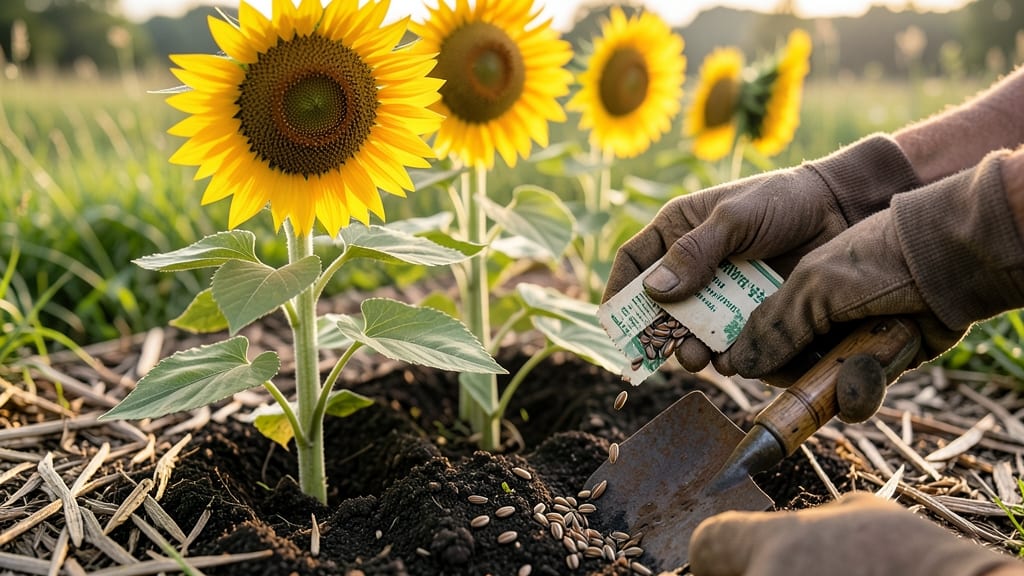
Plant sunflower seeds in Pennsylvania between mid-April and late June, after the last frost, to give your 🌻 stalks the 120-day growing season they need.
If you’ve ever watched a sunflower wilt from a late frost or bolt into seed too fast, you know timing is everything. Pennsylvania’s climate zones—from the cooler Poconos to the warmer Pittsburgh area—mean your neighbors might be harvesting while you’re still waiting for sprouts.
This guide breaks down the exact planting windows for your microclimate, plus soil tricks to speed up germination in cold soil and how to stretch the season with a second planting.
You’ll learn which sunflower varieties thrive in PA’s short summers, how to adjust for clay-heavy soil, and when to fertilize for those 10-foot giants you’ve always dreamed of.
Pennsylvania sunflower planting calendar by microclimate zones
Pennsylvania’s diverse climate means your sunflower planting timeline should match your local microclimate. From the humid Southeast to the cooler Northwest, frost dates and soil warmth vary dramatically.
Most sunflowers mature in 80-120 days, so timing is everything to avoid frost damage or missed blooms. Let’s break down the ideal windows for each region.
Sunflowers are cold-hardy seedlings but need warm soil (at least 55°F) to germinate. In Pennsylvania, this typically aligns with late April to early May after the last frost. However, your exact timing depends on whether you’re direct-sowing or transplanting seedlings—each method has tradeoffs we’ll explore below.
Direct-sowing is easiest for sunflowers since they hate root disturbance. Transplanting can work but risks stunted growth. For short-season zones (like the Poconos), start seeds indoors 4-6 weeks before last frost to extend your growing window.
In longer-season zones (like the Southeast), you can even plant a second crop in July for late-summer blooms.
| Microclimate Zone | Last Frost Date | Ideal Planting Window | Soil Temp for Germination | Best Varieties |
|---|---|---|---|---|
| Southeast PA (Philly, Reading) | Mid-April | Mid-April to early June | 55°F+ (early May) | 'Autumn Beauty', 'Moulin Rouge' |
| Southwest PA (Pittsburgh) | Late April | Late April to mid-June | 55°F+ (early May) | 'Teddy Bear', 'Russian Giant' |
| Northeast PA (Scranton, Poconos) | Late April to early May | Early May to late May | 60°F+ (late May) | 'Sunspot' (dwarf), 'ProCut' |
| Northwest PA (Erie) | Early May | Early to mid-May | 60°F+ (late May) | 'Evening Sun', 'Little Becka' |
| Pittsburgh Metro | Late April | Late April to early June | 55°F+ (early May) | 'Mammoth Russian', 'Sunflower Sam' |
For the Southeast and Pittsburgh regions, you have the most flexibility. Plant seeds directly outdoors from mid-April to early June for continuous blooms. The humidity in these areas can encourage faster growth, but watch for powdery mildew—space plants 12-18 inches apart for airflow.
In cooler zones like the Poconos and Erie, time your planting to avoid late frosts. If you’re direct-sowing, wait until soil temps reach 60°F (usually late May).
For a head start, start seeds indoors in early April and transplant after frost. Dwarf varieties like 'Sunspot' are ideal here—they mature in just 50-60 days.
Pro tip: Use a soil thermometer to check readiness. Sunflower seeds need consistent warmth to germinate. If your soil is below 55°F, wait or use a black plastic mulch to warm it faster. In clay-heavy soils (common in Erie), mix in compost to improve drainage.
Don’t forget about succession planting! In zones with longer growing seasons, sow a second batch in July for late-summer blooms. Just choose fast-maturing varieties (like 'Teddy Bear') to
How to adjust planting for Pennsylvania’s unpredictable weather
Pennsylvania’s weather can turn on a dime—one week you’re planting, the next you’re scrambling to cover tender sprouts with frost blankets. Sunflowers, while resilient, need a consistent growing window to reach their full 10-foot potential.
The key is adapting your planting strategy to your local microclimate, especially in clay-heavy regions like Erie or the cool mountain areas of the Poconos.
For gardeners in USDA Zones 5b-7a, the standard mid-April to late June window often feels like a gamble. Late frosts in the Northeast or sudden heatwaves in the Southwest can throw off even the most careful plans.
That’s why I’ve tested these three proactive adjustments to stretch your sunflower season—and guarantee those golden blooms you’re dreaming of.
⚠️ callout-warning
Pennsylvania’s unpredictable weather often brings false springs—warm spells followed by killing frosts in May. If you plant sunflower seeds too early (before May 15 in most regions), a late frost can stunt or kill your seedlings. Use row covers or wait until soil temps hit 55°F consistently for 7 days.
🌡️ Pro Tip: Bury a soil thermometer 2 inches deep—sunflower seeds need warm soil to germinate. In Erie’s clay soil, warm the ground with black plastic mulch 1-2 weeks before planting.
First, consider using row covers or frost blankets to create a microclimate for early planting. In my Pittsburgh garden, I’ve planted sunflower seeds as early as late March under floating row covers, then removed them once the danger of frost passed.
This gives your sunflowers a 4-6 week head start and often results in taller stalks by harvest time.
For clay-heavy soils like those in Erie, adjust your seed depth and spacing. Clay holds moisture but can compact easily, slowing germination. Plant seeds only ½ inch deep (instead of the usual 1 inch) and space them 12 inches apart to prevent overcrowding.
Mix in compost or sand to improve drainage—this helps roots establish faster in cool spring soil.
If your spring runs late (like the 2021 frost in June that caught many PA gardeners off guard), have a backup planting date ready. Sunflowers can handle direct sowing until mid-July in most of PA, but choose fast-maturing varieties (like ‘Teddy Bear’ at 55 days) for late plantings.
In Zone 5b, aim for July 15 as your cutoff—any later, and your blooms may not fully develop before frost.
Finally, monitor your local weather forecasts for heatwaves or droughts, which can stress sunflowers. In dry years, mulch heavily with straw to retain moisture, and water deeply once a week at the soil base.
With these adjustments, you’ll turn Pennsylvania’s unpredictable weather into an advantage—producing sunflowers that outshine your neighbors’!