
Plants
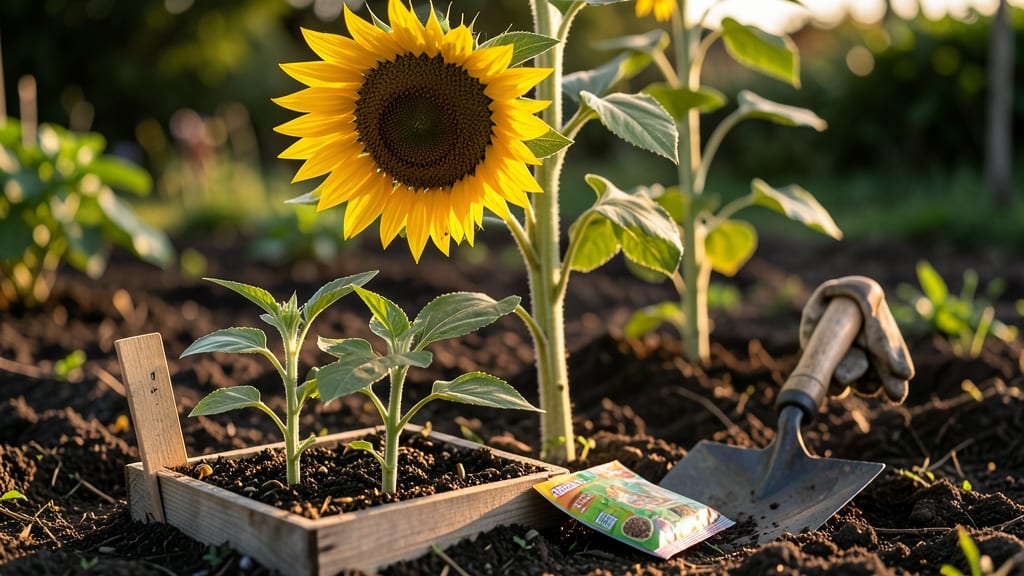
To plant sunflower seeds in Zone 6, aim for mid-April through mid-June after the last frost—when soil temperatures hit 60°F and stay warm enough for fast germination.
Sunflowers aren’t just beautiful—they’re fast-growing, drought-tolerant powerhouses that thrive in Zone 6’s climate. But timing your planting wrong can mean stunted growth or missed blooms.
This guide covers the ideal soil temperature ranges, frost risk windows, and regional microclimate adjustments to ensure your sunflowers 🌻 reach their full height and bloom on schedule.
You’ll learn how to test soil warmth, adjust for early vs. late spring planting, and even extend your sunflower season with succession planting for continuous blooms.
Ideal soil temperature ranges for sunflower germination in Zone 6
Sunflowers love warmth, and in Zone 6, getting the soil temperature right is the key to fast germination. Seeds need consistent warmth to break dormancy, and planting too early can leave them vulnerable to frost damage.
The sweet spot for sunflower seeds is between 60°F and 90°F, with 70°F being ideal for speedy sprouting.
In Zone 6, soil temperatures fluctuate wildly in spring. Early April often sits at 45°F-55°F, which is too cold for germination. By mid-May, temperatures typically climb to 65°F-75°F, creating perfect conditions. Late plantings in June can still work if your soil stays above 60°F consistently.
To test your soil warmth, use a soil thermometer (insert 2-3 inches deep). If it reads below 60°F, wait a few days—sunflowers won’t sprout until conditions improve. Pro tip: Dark-colored soil warms up faster than light soil, so consider black plastic mulch if you’re planting early.
Frost is the biggest enemy of young sunflowers. In Zone 6, the average last frost date is around April 15th, but frost can linger until May in colder microclimates. Planting too early risks seedling death from unexpected cold snaps.
Here’s how soil temperature affects germination speed:
| Soil Temp Range (°F) | Germination Speed | Risk Level | Best Action |
|---|---|---|---|
| Below 60°F | Very Slow or None | High (Frost Risk) | Wait 1-2 weeks |
| 60°F-69°F | Slow (7-14 Days) | Moderate (Early Frost) | Use row covers |
| 70°F-80°F | Fast (3-7 Days) | Low (Ideal) | Plant confidently |
| 81°F-90°F | Very Fast (2-5 Days) | Low (Heat Lovers) | Monitor water needs |
| Above 90°F | Slow (Heat Stress) | Moderate (Drought Risk) | Shade seedlings |
Early spring plantings (March-April) are risky unless you use season extenders. If you’re eager to start, try a cold frame or greenhouse to raise soil temps. Late April is safer for direct sowing in most of Zone 6, especially in 6a (colder) areas.
For late spring plantings (May-June), focus on succession planting every 2-3 weeks. This ensures continuous blooms through summer and into fall. Just be mindful of bolting—if days get too long (15+ hours of light), sunflowers may flower faster than expected.
Pro move: Plant dwarf varieties like 'Teddy Bear' (4-5 ft) in early May for quicker harvests. Tall varieties like 'Mammoth' (12+ ft) need the full growing season, so wait until mid-May for best results. Always check your microclimate—south-facing beds warm up faster than shady spots.
Remember, sunflowers are fast growers—once they sprout, they’ll shoot up 1-2 inches per day in ideal conditions. But without the right soil temp, you’ll be waiting weeks for those golden blooms to appear.
Best month-by-month planting schedule for Zone 6 sunflowers
Zone 6’s variable frost dates and soil warming trends mean your sunflower planting window can shift by weeks depending on whether you’re in northern (6a) or southern (6b) sub-zones.
For most of Zone 6, aim to plant between mid-April and mid-June, but southern areas may start as early as late March.
Direct-sowing sunflower seeds is the easiest method—just drop them into warm soil and cover lightly. Transplanting seedlings works too, but requires hardening off for 7-10 days before moving outdoors. Either way, wait until nighttime temperatures stay above 50°F consistently.
- 1 Late March (Southern Zone 6 only): Plant dwarf varieties (2-4 ft) if your soil warms to 60°F+ early. Use black plastic mulch to speed warming.
- 2 Mid-April (Entire Zone 6): Primary planting window begins after last frost. Test soil—it should stay 60°F+ for 5+ days. Sow seeds 1 inch deep, 6 inches apart.
- 3 May (Best for Tall Varieties): Ideal for standard sunflowers (8-14 ft). Soil temps peak at 70-80°F, perfect for fast germination (5-10 days). Succession plant every 2 weeks for continuous blooms.
- 4 Early June (Final Window): Last chance for late-season varieties. Plant heat-tolerant types (e.g., 'Autumn Beauty') to bloom before frost. Expect slower growth if temps exceed 90°F.
- 5 July (Emergency Planting): Only for short-season varieties (50-60 days to maturity). Use shade cloth to protect seedlings from intense midday sun. Yields may be smaller.
🌱 Pro Tip: Northern Zone 6 gardeners should delay until late April to avoid late frosts.
Northern Zone 6 gardeners (e.g., Chicago, Pittsburgh) should push planting to late April to avoid late-spring frosts, which can kill tender seedlings. Southern Zone 6 areas (e.g., Atlanta, Nashville) can start as early as late March if using row covers for protection.
For transplants, start seeds indoors 4-6 weeks before your last frost date. Harden off seedlings by placing them outdoors for 2-3 hours daily during the last week before transplanting. Choose overcast days to reduce stress from direct sunlight.
Extend your harvest by planting succession crops every 2 weeks from April through early June. This ensures blooms from July through October, even in cooler microclimates. Pair sunflowers with bush beans or marigolds to improve soil health and deter pests.
Monitor soil moisture—sunflowers need 1-2 inches of water weekly during germination but become drought-tolerant once established. Mulch with straw or grass clippings to retain moisture and suppress weeds, which compete for nutrients.