
Plants
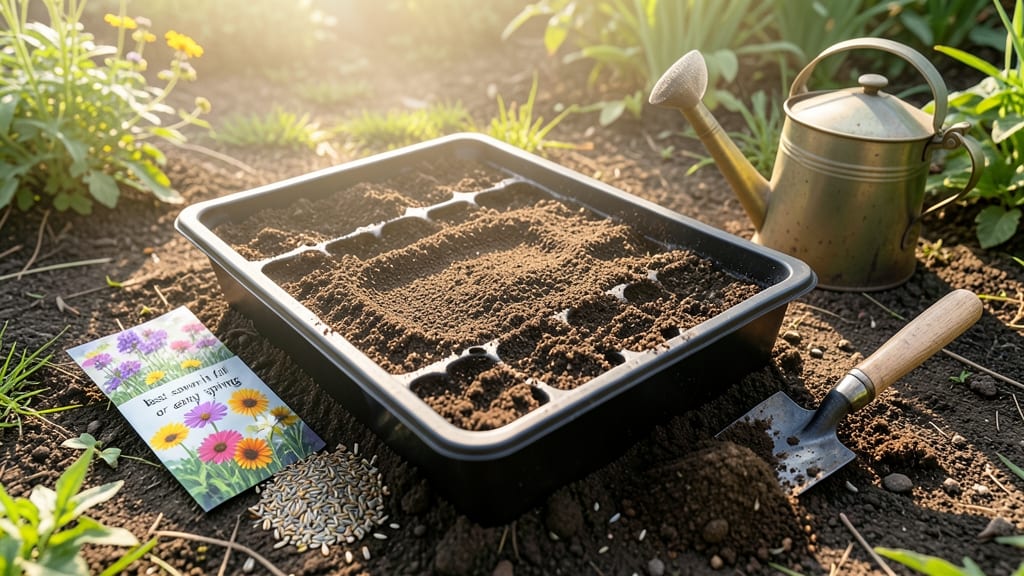
Planting wildflower seeds in Zone 8 at the right time ensures vibrant blooms year after year—spring or fall, each season has its own secrets for success.
Wildflowers bring vibrant color and life to your garden—but planting them at the wrong time in Zone 8 can mean sparse blooms or wasted seeds. Timing is everything for maximizing your wildflower meadow’s potential.
Spring planting in March or April gives annuals a head start, while fall planting in September or October takes advantage of cooler temperatures and winter moisture. Both windows have their advantages, depending on your goals.
In this guide, I’ll break down the best planting times, soil prep tips, and how to choose the right wildflower varieties for your Zone 8 garden. By the end, you’ll know exactly when to plant for the best blooms and how to avoid common mistakes.
Ideal wildflower planting times in Zone 8: spring vs fall breakdown
In Zone 8, wildflower seeds thrive when planted during two key windows: spring (March–April) or fall (September–October). Each season offers distinct advantages for germination and establishment, but the wrong timing can lead to poor results. Understanding these differences helps you choose the best approach for your garden's goals.
Spring planting gives annual wildflowers a head start, allowing them to establish roots before summer heat. Fall planting, however, leverages cooler temperatures and winter moisture to reduce competition from weeds and pests. Both methods work, but the success depends on soil conditions, seed types, and your local climate nuances.
For optimal results, aim to plant when soil temperatures hover between 50°F and 75°F. In Zone 8, this typically aligns with late winter to early spring or early fall.
Cool-season wildflowers like bluebonnets and poppies benefit from fall planting, while warm-season varieties such as black-eyed Susans thrive when sown in spring.
Here’s how the two seasons compare for wildflower success in Zone 8:
Spring planting in Zone 8 works best when you sow seeds 4–6 weeks before the last frost, which typically falls around mid-March. This timing ensures seeds germinate before summer heat arrives.
For example, cosmos and sunflowers thrive when planted in early spring, as they need consistent moisture to establish roots.
Fall planting, on the other hand, allows seeds to stratify naturally over winter, mimicking their native conditions. Planting in September or early October gives seeds time to settle before winter rains. Perennial wildflowers like black-eyed Susans and goldenrod benefit from this method, as they establish deeper roots before spring growth.
Soil preparation is critical for both seasons. In spring, till the soil to 1–2 inches deep and remove weeds. In fall, focus on light raking to expose mineral soil, which helps seeds make contact. Both methods improve germination rates by ensuring seeds have direct access to moisture and nutrients.
One key advantage of fall planting is reduced weed competition. Many weeds lie dormant in winter, giving your wildflowers a head start. Spring planting, however, risks early weed dominance, so consider using a light mulch or pre-emergent herbicide (wildflower-safe) to protect young seedlings.
For annual wildflowers, spring planting often yields faster blooms, while perennial varieties planted in fall may produce more robust growth in subsequent years. Test both methods in small sections of your garden to see which works best for your specific climate and soil type.
Remember, Zone 8’s mild winters mean fall planting can extend into November, but avoid planting too late—seeds need time to germinate before frost. Similarly, spring planting should wrap up by mid-April to avoid summer drought stress.
By choosing the right season and preparing your soil properly, you’ll set your wildflowers up for vibrant blooms and long-term success. Experiment with both methods to discover what thrives best in your garden! 🌼
Zone 8 wildflower seed varieties by planting season: what grows best when
Choosing the right wildflower varieties for your Zone 8 garden depends on when you plant—spring or fall each offer unique advantages. For spring planting, focus on annuals that thrive with warm soil, while fall planting favors perennials that establish roots before winter.
The key is matching your planting season to each species' natural growth cycle.
Native wildflowers like black-eyed Susan and coreopsis perform exceptionally well in Zone 8, but their success hinges on proper timing. Spring-planted varieties often bloom faster, while fall-planted seeds leverage winter moisture for stronger root systems.
Let’s explore the best options for each season to help you create a vibrant, low-maintenance meadow.
| Variety | Best Planting Time | Bloom Season | Sun Needs | Maintenance |
|---|---|---|---|---|
| Black-eyed Susan (Rudbeckia hirta) | Spring or Fall | Summer–Fall | Full Sun | Low (Drought-tolerant) |
| Coreopsis (Coreopsis lanceolata) | Spring (March–April) | Spring–Summer | Full Sun | Very Low (Self-seeding) |
| Mexican Sunflower (Tithonia rotundifolia) | Spring (April–May) | Summer–Fall | Full Sun | Low (Heat-loving) |
| Purple Coneflower (Echinacea purpurea) | Fall (September–October) | Summer–Fall | Full Sun | Low (Perennial) |
| Blanket Flower (Gaillardia pulchella) | Spring or Fall | Summer–Fall | Full Sun | Very Low (Drought-resistant) |
For spring planting, prioritize annuals like coreopsis and Mexican sunflower, which thrive when sown in March or April after the last frost. These varieties germinate quickly in warming soil and deliver bold summer blooms.
Spring-planted wildflowers also attract pollinators early in the season, giving your garden a head start.
Fall planting, however, is ideal for perennials like purple coneflower and black-eyed Susan, which establish roots before winter. Plant seeds in September or October when soil temperatures drop below 80°F.
This timing ensures strong root growth before dormancy, leading to healthier, longer-lived plants and earlier blooms the following year.
When selecting varieties, consider your garden’s sun exposure and maintenance goals. Drought-tolerant options like blanket flower and coreopsis require minimal water once established, making them perfect for low-maintenance meadows. Mix spring and fall plantings to extend your garden’s bloom season from early spring through late fall.
Pro tip: Stratify seeds for fall planting by mixing them with moist sand and refrigerating for 2–4 weeks to mimic winter conditions. This mimics natural germination triggers and boosts success rates in Zone 8’s mild winters.