
Flowers
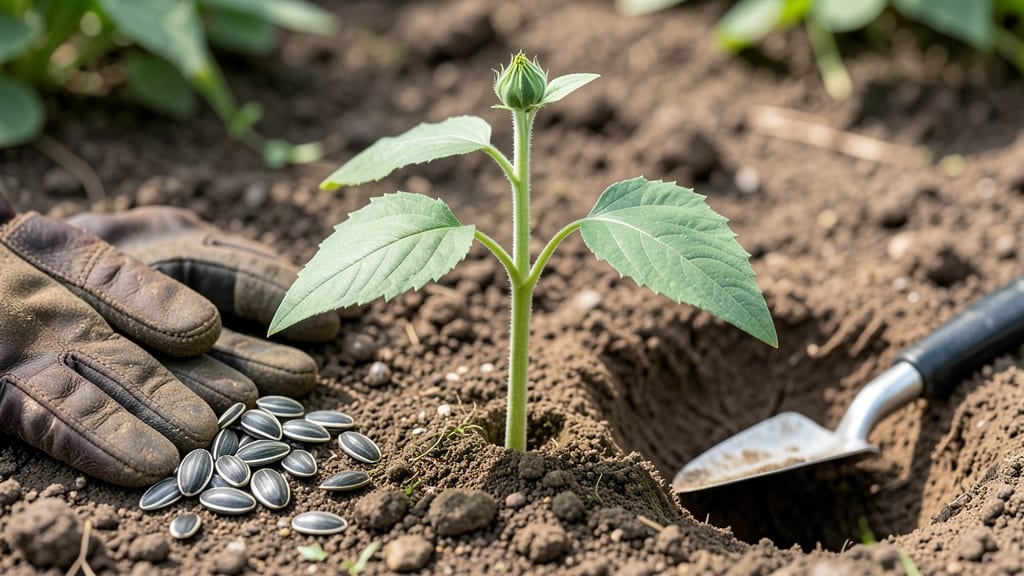
Planting sunflowers in Georgia between mid-March and early July ensures they thrive in the state’s 7b-8b climate zones, avoiding frost while maximizing their towering potential 🌻.
Georgia’s warm climate and long growing season make it a perfect place for sunflowers—but planting them at the wrong time can mean wilted dreams instead of towering blooms. Timing is everything, and getting it right ensures sunflowers that thrive from seed to harvest.
Whether you’re in Atlanta’s Piedmont region or Savannah’s coastal zone, the key is planting after the last frost when soil temperatures hit at least 50°F. This typically lands in late March to early May for most gardeners, but early July still works for fast-maturing varieties.
Below, I’ll break down the exact months for your area, how to adjust for Georgia’s unpredictable weather, and which sunflower varieties perform best in 210 frost-free days—plus the prep steps to set your seeds up for success.
Best planting months for sunflowers in Georgia’s climate zones
Georgia’s diverse climate zones—from Zone 7a in the mountains to Zone 8b along the coast—create unique planting windows for sunflowers. In northern Georgia (e.g., Atlanta), cooler springs delay planting, while southern Georgia (e.g., Savannah) allows earlier starts.
Understanding these regional differences ensures your sunflowers reach their full 10–14-foot potential without frost damage.
Sunflowers thrive in Georgia’s 210 frost-free days, but timing matters. The last frost date typically falls in mid-March in Atlanta and as early as late February in Savannah.
For best results, aim to plant after soil temperatures hit 50°F, which usually occurs by mid-April in northern regions and early March in the south.
Direct sowing is the preferred method for sunflowers—transplants often struggle with root shock. Start seeds 1 inch deep in well-draining soil with 6–8 hours of sunlight. In cooler zones, use black plastic mulch to warm the soil faster and extend the growing season.
Key planting windows by region: - North Georgia (Zone 7a-7b): Late April to early June - Central Georgia (Zone 7b-8a): Early April to mid-June - South Georgia (Zone 8a-8b): Mid-March to early July
| Region | USDA Zone | Best Planting Month | Soil Temp | Frost Risk |
|---|---|---|---|---|
| North Georgia (Atlanta) | 7a-7b | Late April - Early June | 50°F+ | High (late frosts) |
| Central Georgia (Macon) | 7b-8a | Early April - Mid-June | 50°F+ | Moderate |
| South Georgia (Savannah) | 8a-8b | Mid-March - Early July | 55°F+ | Low (rare frosts) |
For direct sowing, scatter seeds in rows spaced 18–24 inches apart. In containers, use 5-gallon pots for dwarf varieties like ‘Teddy Bear’ (3–4 ft tall). If transplanting, start seeds indoors 4–6 weeks before the last frost date, but harden them off gradually to avoid shock.
Georgia’s summer heat can stress sunflowers, so avoid planting after early July unless you’re growing fast-maturing varieties like ‘ProCut’ (50–55 days). Succession planting every 2–3 weeks ensures continuous blooms from August to October, when most varieties reach maturity.
Watch for soil moisture—sunflowers need 1–2 gallons per plant every 3–5 days during dry spells. Mulch with straw or wood chips to retain moisture and suppress weeds. In Zone 7a, consider row covers for early plantings to protect against late frosts.
Pro tip: Test your soil before planting—sunflowers prefer pH 6.0–7.5 and well-draining soil. Amend heavy clay with compost to prevent root rot. In sandy soils (common in south Georgia), add organic matter to improve water retention.
Harvest sunflower seeds when the back of the petals turns yellow and the seed heads feel heavy. Cut stems and hang them upside down in a dry, dark place for 2–3 weeks to fully dry. Store seeds in airtight containers for up to 1 year.
With the right timing, Georgia’s sunflowers can grow 10 feet in just 100 days. Whether you’re in mountainous north Georgia or coastal south Georgia, these guidelines ensure your sunflowers reach their full potential—brightening your garden from summer to fall. 🌻
How to adjust planting time for Georgia’s unpredictable weather
Georgia’s weather can throw curveballs—like late frosts in April or sudden summer droughts—that derail even the best-laid planting plans. Young sunflowers are especially vulnerable, so flexibility is key.
I’ve learned to adjust planting times based on soil temperatures, rainfall forecasts, and even local weather patterns from years of gardening here 🌱.
For example, if your area experiences a late frost warning after your usual March planting, don’t panic. Sunflowers are hardy once they’ve sprouted, but their seeds won’t germinate below 50°F soil temps.
That’s why I always keep a backup planting date—usually mid-April—just in case. This buffer ensures your sunflowers get a strong start without frost damage 🥶.
⚠️ Georgia’s Weather Risks & How to Beat Them
Late Frosts (April): Wait until soil temps hit 55°F or use row covers for 2–3 weeks. Sunflowers can handle light frost after sprouting!
Heatwaves (June–July): Plant shade-loving varieties like ‘Teddy Bear’ or use shade cloth (30–50%) for young seedlings. Mulch heavily to retain moisture.
Droughts (Summer): Water deeply 2x/week and avoid overhead sprinklers. Drip irrigation near the root zone saves water and prevents fungal issues.
Another trick I swear by is staggered planting. Instead of sowing all your sunflower seeds at once, spread them out over 2–3 weeks. This way, if one batch gets hit by a heatwave or drought, the others will still thrive.
For instance, I’ll plant half in late March and the rest in early May. This extends your harvest window and reduces risk 🌻.
For drought-prone areas, like south Georgia’s coastal plains, I recommend raised beds with sandy loam soil. They warm up faster in spring and drain better during dry spells.
Add 2–3 inches of compost before planting to boost moisture retention. If you’re in north Georgia’s Piedmont region, focus on well-draining soil to avoid soggy roots from spring rains.
Don’t forget to monitor moisture levels closely. Sunflowers need 1–2 gallons of water per plant weekly, but in Georgia’s summer heat, that jumps to 2 gallons every 2–3 days. I use a moisture meter to check soil depth—if it’s dry past 2 inches, it’s time to water.
Mulching with straw or wood chips locks in moisture and keeps roots cool ☀️.
Finally, keep a risk assessment checklist handy before planting.
Ask yourself: What’s the last frost date for my area? (Check your USDA Zone—7a in north Georgia vs. 8b in south Georgia varies!). Are we in a drought? If yes, prioritize drought-tolerant varieties. Will I have time to harvest before frost? If not, plant fast-maturing types like ‘Autumn Beauty’ (56 days).
Adjusting your approach based on these questions saves time—and heartache—later 📋.