
Flowers
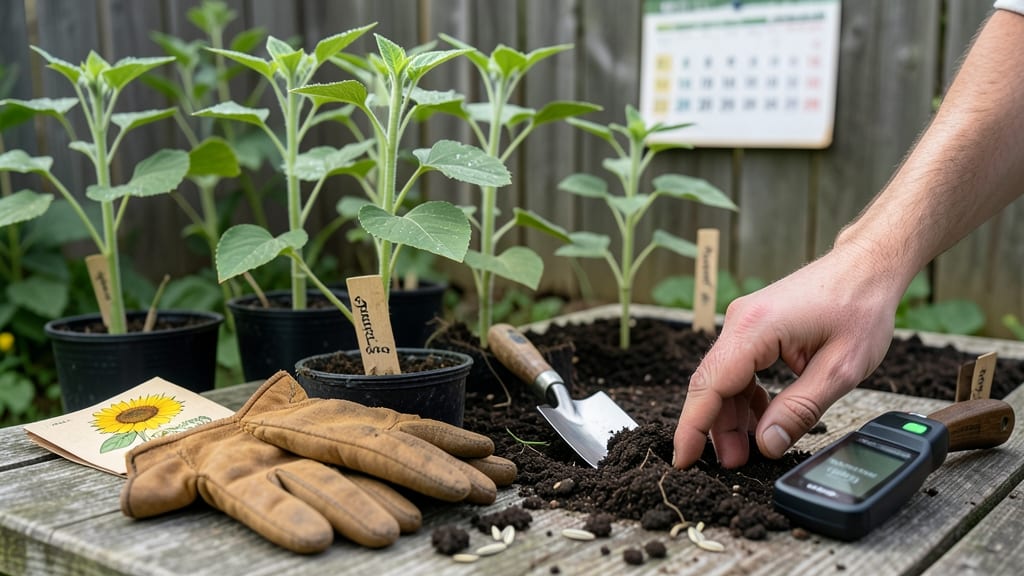
Planting sunflowers in Zone 6 after your last frost date—typically mid-April—sets the stage for towering 🌻 blooms that thrive all summer.
Sunflowers are a gardener’s joy—bright, easy to grow, and perfect for cutting or birdseed—but timing is everything in Zone 6’s unpredictable climate. Plant too early, and frost will strike; too late, and your towering blooms may never reach their full potential.
Here’s the exact planting schedule to ensure your sunflowers thrive from seed to sun-soaked stem, whether you’re direct-sowing or transplanting. We’ll cover frost-free windows, soil temperature tricks, and how to adjust for early or late varieties.
By the end, you’ll know not just when to plant, but how to give your sunflowers the best start—so you can enjoy those golden faces from July through October.
Zone 6 sunflower planting dates: frost-free timeline for maximum growth
Sunflowers in Zone 6 thrive when planted after the last frost date, typically around mid-April. However, soil temperature is just as critical—seeds need 50°F (10°C) to germinate properly.
Rush planting before these conditions, and you risk frost damage or slow growth. The key is patience: wait for both warm soil and consistent daytime temps above 55°F (13°C).
For maximum growth, aim to plant sunflowers between April 15 and June 15. This window ensures they mature before first frost in October while avoiding the heat stress of late-summer planting.
Early varieties can handle a slightly earlier start, while tall types need the full season to reach their 10+ foot heights.
Here’s the comparison-table breaking down your Zone 6 planting options by timing, soil prep, and expected outcomes:
| Planting Window | Soil Temp Requirement | Days to Maturity | Best Varieties | Risk Level |
|---|---|---|---|---|
| Early April (Late Frost Risk) | 50°F+ (10°C+) | 90-120 days | 'Early Bird', 'Moulin Rouge' | High (frost) |
| Mid-April to May (Optimal) | 55°F+ (13°C+) | 60-90 days | 'Autumn Beauty', 'Russian Giant' | Low (ideal) |
| June (Late Season) | 60°F+ (15°C+) | 50-70 days | 'Teddy Bear', 'ProCut' | Medium (heat stress) |
If you’re planting in early April, use row covers to protect seedlings from unexpected frost. For late-June plantings, choose fast-maturing varieties like 'Teddy Bear' to avoid bolting. Always test soil temperature with a thermometer—cold soil delays germination by weeks.
For container growing, start seeds indoors 4-6 weeks before your last frost date. Transplant seedlings outdoors when they’re 3-4 inches tall and harden them off for 3-5 days to prevent shock. Containers dry out faster, so water daily until established.
Bolting—when sunflowers flower too early—is a common Zone 6 pitfall. To prevent it, avoid planting in hot summer months (July-August) and choose cool-season varieties. If you notice premature flowering, reduce water slightly and move pots to partial shade to slow growth.
After planting, mulch heavily with straw or wood chips to retain moisture and regulate soil temperature. Sunflowers need 1-2 gallons of water per week, but deep watering (1-2 inches per week) encourages stronger stems. Always water at the base of the plant to avoid fungal diseases like powdery mildew.
Monitor your sunflowers for yellowing leaves, which signal overwatering or nutrient deficiency. If leaves curl, it’s often underwatering or heat stress. Adjust care immediately—sunflowers are resilient but need consistent conditions to reach their full height potential.
With the right planting timing and care, your Zone 6 sunflowers will reward you with vibrant blooms and towering stems by late summer. Mark your calendar for April 15-May 15 as your sweet spot—and enjoy the sun-soaked spectacle of your garden’s centerpiece! 🌻
How to adjust sunflower planting for Zone 6’s microclimates and soil conditions
Zone 6’s diverse microclimates—from urban heat islands to rocky hillside gardens—can drastically alter your sunflower’s success. Rocky soils drain too fast, while urban heat can stress young seedlings. The key is adapting your planting strategy to match your specific conditions, ensuring your sunflowers 🌻 grow strong and tall.
Start by testing your soil’s drainage. Sunflowers hate soggy roots, so amend heavy clay with compost or sand to improve aeration. For rocky soils, create raised beds or plant in containers to give roots room to spread.
Even a 5-gallon pot can support dwarf varieties like 'Teddy Bear' (1-3 ft tall).
Urban gardens often face heat stress from pavement and buildings. To combat this, plant sunflowers near reflective surfaces like light-colored walls or use shade cloth (30%) during extreme heat waves. Mulch heavily with straw or wood chips to keep roots cool and retain moisture.
⚠️ callout-warning
Even after your last frost date (mid-April), late cold snaps (below 40°F) can stunt growth. Wait until soil warms to 50°F (10°C)—use a soil thermometer—before planting. For extra protection, cover seedlings with frost cloth if nighttime temps dip.
🌱 Pro Tip: Plant companion crops like bush beans or radishes nearby to mark soil temperature and warn you of sudden cold fronts.
Companion planting extends your sunflower’s growing season. Pair them with basil or marigolds to deter pests, or plant fast-growing radishes first—their deep roots loosen soil for sunflowers. Avoid planting near potatoes or tomatoes, which compete for nutrients and attract similar pests.
Watch for stress signs like yellowing leaves or stunted growth. These often mean overwatering, poor drainage, or nutrient deficiency. Fix the issue fast: reduce watering, add compost tea, or side-dress with balanced fertilizer (10-10-10). Ignoring these warnings can derail your harvest before blooms even appear.
For late-season planting (after June), choose fast-maturing varieties like 'Autumn Beauty' (55-60 days) or 'Moulin Rouge' (60-65 days). These tolerate cooler temps and still produce vibrant blooms by early fall. Just plant them 1 inch deeper than usual to protect the stem from late frosts.
With these adjustments, your sunflowers will thrive—whether you’re battling rocky soil, urban heat, or early cold snaps. Happy growing! 🌻