
Plants
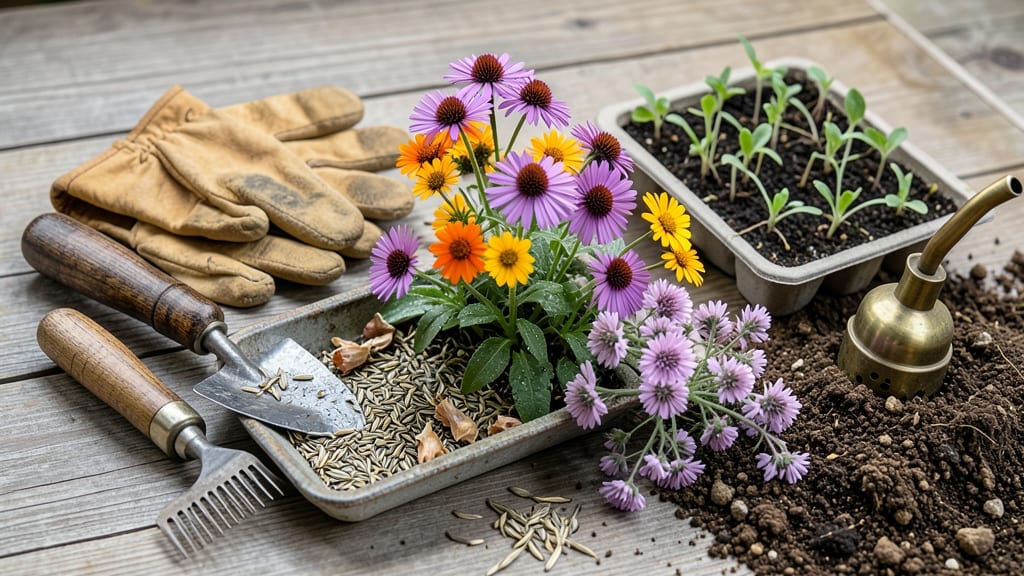
Planting wildflower seeds in Iowa at the right time ensures fast germination and vibrant blooms year after year—soil temperatures between 40°F and 60°F are your secret weapon.
Iowa’s unpredictable spring weather can turn wildflower planting into a guessing game—but timing your seeds based on soil temperature ensures vibrant blooms instead of wasted effort.
In USDA zones 5a-6b, early spring (March-April) or late summer (August-September) are the sweet spots, but northern Iowa’s colder microclimates may need a 2-week delay compared to southern regions.
Below, I break down the exact soil triggers, seed varieties that thrive in Iowa’s climate, and pro tips to outsmart frost and drought—so you can skip the trial-and-error and get straight to those colorful meadows.
Iowa wildflower planting calendar by soil temperature zones
Timing your wildflower seeds based on soil temperature—not just air temperature—is the secret to vibrant blooms across Iowa’s diverse microclimates. While last frost dates guide vegetable planting, wildflowers thrive when soil reaches 40°F to 60°F, signaling consistent moisture and microbial activity.
Northern Iowa’s Zone 5a areas often wait until mid-April, while southern Zone 6b regions can start as early as late March. This precision prevents seed rot from cold, wet soil or premature sprouting during late frosts.
Iowa’s spring planting window (March–April) and fall planting window (August–September) both rely on soil warmth, not calendar dates. For example, black-eyed Susans and coneflowers germinate best when soil hits 50°F, while delicate cosmos prefer 55°F–60°F to avoid damping-off.
Fall-planted seeds benefit from cool soil in September, establishing roots before winter dormancy. A soil thermometer (just $10) becomes your most valuable tool—skipping it risks wasted seeds or stunted growth.
| Iowa Zone | Soil Temp Trigger | Spring Planting Window | Fall Planting Window | Key Wildflowers |
|---|---|---|---|---|
| 5a (North) | 50°F–55°F | Mid-April to May 10 | Late Aug–Sept 15 | Coneflowers, Blazing Stars |
| 5b (Central) | 48°F–52°F | Late March–April 15 | Early Aug–Sept 10 | Black-Eyed Susans, Goldenrod |
| 6a (South) | 45°F–50°F | Early March–April 1 | Mid-July–Aug 30 | Cosmos, Zinnias, Milkweed |
| 6b (Southeast) | 40°F–45°F | Late Feb–March 15 | June 15–July 31 | Sunflowers, Bee Balm |
Northern Iowa’s Zone 5a gardeners should prioritize late August to mid-September for fall planting, when soil cools to 50°F–55°F. This timing lets seeds germinate before ground freezes, giving roots a head start. In contrast, Zone 6b areas can extend fall planting until early October, thanks to milder soils.
Pro tip: Test soil moisture alongside temperature—dry soil below 50°F will stall germination even if temps are ideal.
My go-to method for tracking soil warmth is the "back of the hand" test: Press your palm into the soil for 10 seconds. If it feels cool but not freezing, it’s likely in the 45°F–50°F range, perfect for fall-planted wildflowers.
Pair this with a clear plastic dome over seeds to trap heat during chilly mornings. For spring, wait until soil stays above 50°F for 3+ days—this consistency is critical for annuals like cosmos, which bolt if stressed.
Don’t overlook microclimates within Iowa. A south-facing slope in Zone 5b may warm to 55°F by March 20, while a north-facing low spot might linger below 45°F until April 10.
Adjust planting dates accordingly, or choose cold-hardy varieties like prairie smoke for slower-warming areas. Mulch with straw (not leaves) to insulate soil and retain moisture during germination.
Fall planting offers two major advantages: fewer weeds compete for resources, and established roots handle spring droughts better. Aim to sow seeds 4–6 weeks before your first frost (typically mid-October in Zone 5a, early November in Zone 6b).
For spring planting, scatter seeds as soon as soil reaches 40°F, but cover them lightly with ¼-inch of soil to protect from wind and birds. A lightweight row cover can shave 1–2 weeks off germination time in unpredictable springs.
Wildflower seeds need moisture but not soggy soil—think of a damp sponge, not a swamp. Water gently every 2–3 days until seedlings emerge, then taper to weekly deep watering.
In Zone 6b, where springs arrive earlier, I’ve seen zinnias pop up by late March if planted in 50°F soil. However, a late frost can still nip tender sprouts, so keep a frost cloth handy for the first 2 weeks after germination.
For maximum biodiversity, mix spring and fall plantings in the same bed. For example, sow coneflowers (
Best wildflower seed varieties for Iowa’s spring vs. fall planting
Choosing the right wildflower varieties for Iowa’s climate means balancing seasonal timing with drought tolerance. Annuals like cosmos and zinnias thrive in spring, while perennials such as black-eyed Susans and coneflowers establish roots in fall for next year’s blooms.
Iowa’s USDA zones 5a-6b create microclimates where northern regions benefit from fall planting (August-September) to avoid early frost, while southern areas can extend spring planting until early May. Let’s break down the top performers by season and hardiness.
For spring planting, cosmos tops the list with its 60-day bloom time and drought resistance.
Scatter seeds after the last frost (mid-April in southern Iowa, late April in the north) when soil reaches 60°F. Zinnias follow closely, offering bold colors that attract pollinators—ideal for Iowa’s butterfly gardens.
Fall planting favors perennials like black-eyed Susans, which establish deep roots before winter. Sow seeds in August-September when soil cools to 55-60°F. Purple coneflowers are another standout, thriving in Iowa’s poor, dry soils and returning year after year with minimal care.
Pro tip: Mix annuals and perennials for continuous blooms. Start with 50% perennials (fall-planted) and 50% annuals (spring-planted) to create a low-maintenance meadow that supports wildlife from spring to frost.
Remember: Iowa’s variable humidity can delay germination. Keep seeds moist but not soggy and mulch lightly to retain moisture. With the right mix, your wildflower patch will outperform commercial lawns in beauty and biodiversity!