
Plants
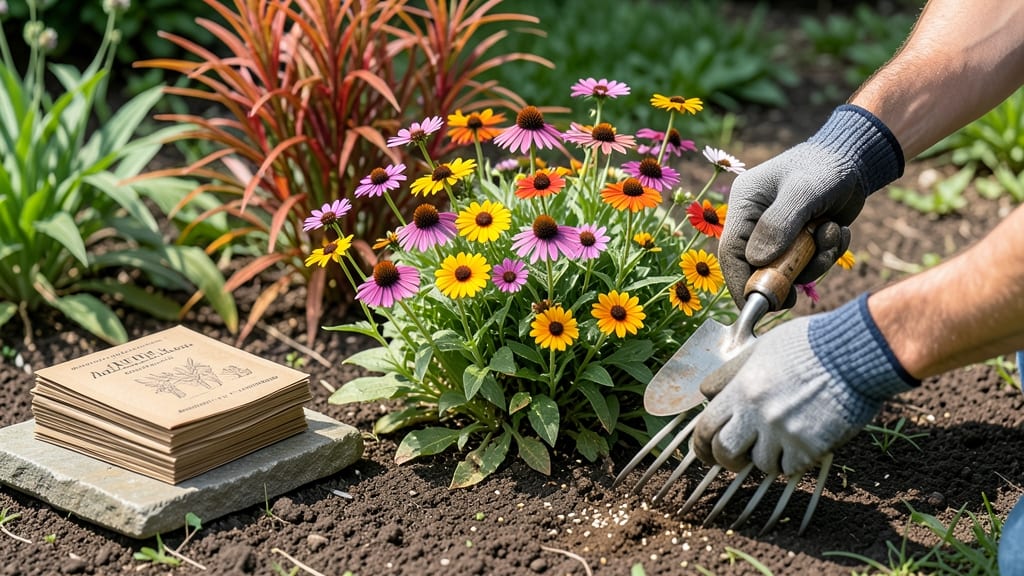
Planting wildflower seeds in Minnesota at the right time means vibrant blooms from spring through summer, even in Zone 4B’s short growing season.
If you’ve ever waited too long in spring and watched your seeds wash away in a sudden rainstorm—or planted too early and seen them freeze before sprouting—you know timing is everything.
The key is working with Minnesota’s unpredictable frost dates, which can shift from late April to early May depending on the year and microclimate.
Most gardeners in Minnesota focus on two ideal windows: early spring (March–April) or late summer/early fall (August–September). Each approach has its advantages, from beating the heat to leveraging natural stratification for better germination.
Below, I’ll break down the best strategies for each season, including soil prep, seed selection, and how to adjust for late frosts or heavy rains.
You’ll learn how to choose the perfect mix of native species like black-eyed Susans and coneflowers, when to scatter seeds without burying them too deep, and how to protect your new plants from Minnesota’s first frost in October.
With the right timing, your wildflower patch could be in full bloom by June—and attract pollinators for years to come.
Best planting times for Minnesota wildflowers by season
In Minnesota's USDA Zone 4B, wildflowers thrive when planted during precise windows that align with soil temperatures and frost patterns. The ideal planting months are March-April for spring and August-September for fall, but understanding the nuances of each season makes all the difference for germination success.
Spring planting offers the longest growing season for wildflowers to establish roots before winter, while fall planting takes advantage of cooler temperatures and natural moisture that prepare seeds for dormancy. Both approaches work well in Minnesota, but timing is critical to avoid late frosts that can damage tender seedlings.
Here's a quick reference for when to plant wildflower seeds in Minnesota, including frost dates and soil temperature requirements:
| Season | Planting Window | Soil Temp Requirement | Frost Considerations |
|---|---|---|---|
| Spring | Mid-March to early April | 40-50°F (4-10°C) | After last frost (typically late April) |
| Late Summer | Mid-August to early September | 50-60°F (10-15°C) | 6-8 weeks before first frost |
| Fall | Late September to early October | 45-55°F (7-13°C) | Before ground freezes |
For spring planting, I recommend starting seeds indoors in late February if you want a head start, but direct sowing in March works well for hardy species like black-eyed Susans and coreopsis.
The key is to plant when soil temperatures consistently reach 40°F (4°C)—use a soil thermometer to check.
If you choose fall planting, aim for late September to early October when soil temperatures drop below 60°F (15°C). This timing allows seeds to germinate slowly over fall and establish roots before winter dormancy. Native wildflowers like prairie coneflowers and butterfly weed benefit most from this approach.
Minnesota's unpredictable weather can throw off even the best-laid plans, so always monitor local frost forecasts. The average last frost date in Zone 4B is May 15th, but northern regions may experience frost until early June.
For summer planting, August is your best bet—it gives seedlings time to establish before winter.
Pro tip: Mix a light layer of compost into your soil before planting to improve drainage and moisture retention. Wildflowers prefer well-draining soil with a pH between 6.0-7.0. If your soil is heavy clay, consider amending it with sand or perlite to prevent waterlogging.
After planting, keep the soil lightly moist but never soggy. Most wildflower seeds need light to germinate, so avoid burying them more than 1/4 inch deep.
A gentle misting with a spray bottle works best for small seeds, while larger seeds can be pressed into the soil with your hand.
Remember that native wildflowers are the most resilient choices for Minnesota gardens. Species like wild bergamot and purple prairie clover have adapted to our climate and require minimal care once established. These hardy plants will reward you with vibrant blooms and pollinator-friendly landscapes for years to come.
🌼
How to adjust planting for Minnesota’s unpredictable weather patterns
Minnesota’s late frosts and sudden temperature swings can turn wildflower planting into a gamble—but smart adjustments make all the difference. The key is preparing your seeds and soil to handle unpredictable weather, whether it’s a May frost or a June downpour.
I’ve planted wildflowers in Zone 4B for years, and these strategies have helped me beat the odds every time.
First, understand that wildflower seeds often need cold stratification to break dormancy, mimicking nature’s winter cycle. Many native species, like black-eyed Susans and coneflowers, benefit from a 60-day cold period in the fridge before planting.
This trick is especially useful if you’re planting in late summer or fall, when temperatures drop quickly.
🌱 5 Pro Tips for Adjusting to Minnesota’s Weather
- 1. Stratify seeds for 60 days in a damp paper towel in the fridge before planting in fall.
- 2. Plant in late August to avoid early frosts while still allowing seeds to germinate before winter.
- 3. Use mulch (straw or leaves) to protect newly planted seeds from erosion during heavy rains.
- 4. Choose cold-hardy species like yarrow or bee balm, which thrive in Zone 4B.
- 5. Monitor frost dates and adjust planting by 2–3 weeks if spring arrives late.
If you’re planting in early spring, aim for late March to early April, when soil temperatures reach 40–50°F. For fall planting, late August to mid-September is ideal—seeds will germinate in warm soil but won’t sprout until the following spring, avoiding summer drought stress.
Always test your soil’s moisture before planting; soggy conditions can rot seeds, while dry soil may prevent germination.
Another critical trick is light seeding. Wildflower seeds need sunlight to germinate, so avoid burying them more than ¼ inch deep. After scattering, gently press them into the soil and cover with a thin layer of mulch to hold moisture without suffocating sprouts.
This method works especially well in sandy soils, which dry out quickly.
For areas prone to heavy rains, consider planting on a slight slope or raised bed to improve drainage. If a storm is forecast, cover seeds with a lightweight mesh or row fabric until the weather passes.
Native species like prairie dropseed are excellent choices—they tolerate poor soil and fluctuating moisture better than many ornamentals.
Finally, keep an eye on your local frost-free date, which can vary by 2–3 weeks from year to year. If you’re unsure, opt for fall planting—it’s more forgiving because seeds lie dormant until spring.
With these adjustments, your wildflowers will thrive despite Minnesota’s unpredictable weather, giving you blooms from June through September.