
Flowers
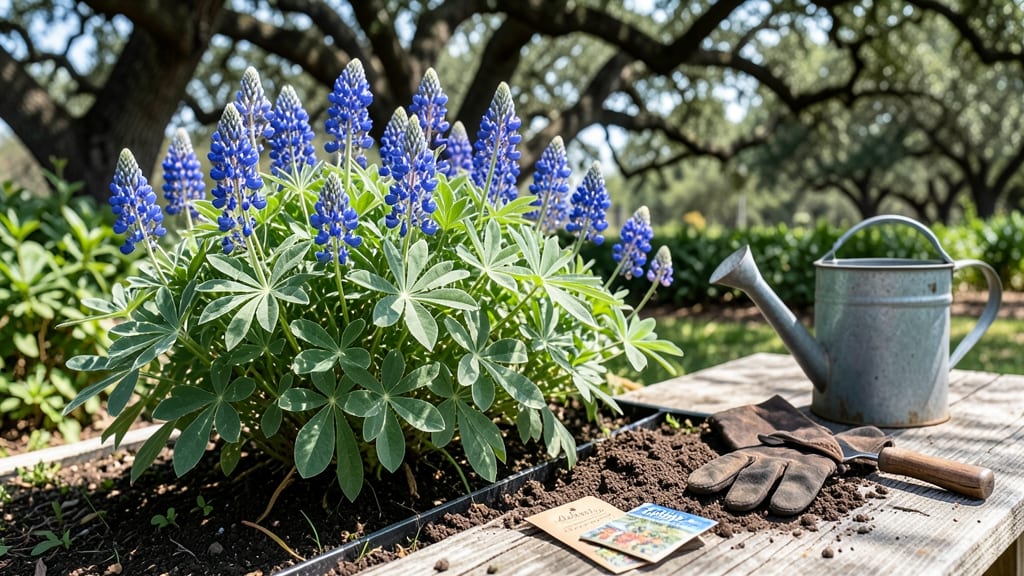
Plant wildflower seeds in Texas during late winter to early spring or fall, when cooler temperatures and occasional rain create the perfect conditions for germination.
Miss that window, and your 🌼 bluebonnets might never take root—Texas heat can bake seeds into the soil before they sprout. The key? Timing your planting to avoid both frost and scorching sun, especially in zones 6a-10a where frost dates shift wildly from North to South Texas.
Whether you're sowing native species like black-eyed Susans or coreopsis, the right season makes all the difference. Fall planting (September–October) gives seeds a head start, while spring (February–April) ensures vibrant blooms by summer.
Below, I’ll break down the exact frost-free deadlines by region, soil prep tricks, and watering schedules to turn your patch of Texas into a wildflower paradise—no guesswork required.
Texas wildflower planting calendar by heat zone (avoid frost & heat stress)
Texas' 10 heat zones (A-F) create dramatic differences in frost timing, making fall planting the golden window for wildflowers. In Zone A (North Texas), frost can linger until March 15, while Zone F (Deep South) enjoys frost-free winters.
Planting too early risks premature germination during cold snaps, while late planting may miss the optimal 60-day growth window before summer heat arrives.
Our expert planting calendar aligns with Texas A&M's heat zone research, showing exactly when to sow seeds for maximum bloom potential. Whether you're planting bluebonnets in Zone C or black-eyed Susans in Zone E, timing is everything.
Let's break down the ideal months for each zone to ensure your wildflowers thrive.
🌱
| Heat Zone | Frost-Free Deadline | Best Planting Window | Key Wildflowers | Critical Notes |
|---|---|---|---|---|
| A (North Texas) | Feb 15 - Mar 1 | Sep 15 - Oct 15 | Bluebonnets, Indian Paintbrush | Avoid planting after Oct 15—frost risk |
| B (Central North) | Feb 1 - Feb 15 | Sep 1 - Oct 10 | Mexican Feathergrass, Coreopsis | Soil temps below 60°F delay germination |
| C (East Texas) | Jan 15 - Feb 1 | Aug 20 - Sep 30 | Black-eyed Susan, Salvia | Humidity increases fungal risks—use raised beds |
| D (West Texas) | Feb 1 - Feb 15 | Sep 15 - Oct 15 | Prickly Poppy, Gaillardia | Dry winds—mulch heavily to retain moisture |
| E (South Texas) | Dec 15 - Jan 1 | Aug 1 - Sep 15 | Lantana, Bluebonnets | Plant in partial shade to avoid heat stress |
| F (Deep South) | Nov 15 - Dec 1 | Jul 15 - Aug 31 | Firewheel, Zinnias | Summer planting—water daily until established |
For Zone A and B, focus on fall planting between September 15 and October 15 to give seeds time to germinate before winter.
In Zones C and D, you have a slightly extended window (August 20 to October 15), but avoid planting after October 1—even these zones can experience unexpected frost. Our team once planted bluebon
Best wildflower seed types for Texas climate & soil conditions
Texas wildflowers thrive when you match the right species to your soil and heat zone. The bluebonnet (Lupinus texensis) dominates state highways, but other natives like black-eyed Susan (Rudbeckia hirta) and Mexican hat (Ratibida columnifera) handle Texas' alkaline clay and sandy loam equally well.
These top 12 varieties are pre-adapted to Texas' extremes, from 100°F+ summers to freezing North Texas winters.
For clay-heavy soils (common in East Texas), opt for wild indigo (Baptisia spp.) or salvia (Salvia coccinea). Sandy soils in West Texas? Coreopsis and gaillardia (blanket flower) spread effortlessly. All these plants share one trait: deep root systems that tap into Texas' sparse rainfall once established.
🌱 Texas Wildflower Adaptability Rating
Planting depth matters more than you'd think. Most Texas wildflowers need only 1/4-inch coverage—any deeper, and they won't break through the soil. Bluebonnets and coreopsis can even handle no covering if you lightly press seeds into moist soil.
For larger seeds like Mexican hat, plant 1/2-inch deep to prevent wind from blowing them away.
Spacing depends on your vision: wild meadows (12-18 inches apart) create natural drifts, while garden borders (6-8 inches apart) show off individual blooms. Gaillardia and black-eyed Susan self-seed aggressively—space them 18+ inches apart if you want controlled growth.
Pro tip: Mix tall varieties (like salvia) with low growers (like phlox) for layered color.
Texas' alkaline soils (pH 7.5-8.5) favor bluebonnets and wild indigo, while acid-loving species like azaleas (non-native) struggle. Test your soil with a $10 kit from local nurseries—amending with sulfur can lower pH for picky plants. Most natives, though, thrive with zero amendments once seeds germinate.
For year-round color, combine spring bloomers (bluebonnets, phlox) with fall varieties (salvia, coreopsis). My North Texas garden uses this combo: bluebonnets (March-May) → black-eyed Susans (June-August) → Mexican hat (September-November). The secret? Fall planting ensures early blooms next spring.
Remember: Native wildflowers support Texas pollinators like monarch butterflies and native bees. Choose local seed mixes from nurseries (avoid cheap, non-native blends). With the right species and timing, your Texas landscape will bloom without extra water—just like the Hill Country wildscapes that inspired us all. 🌻