
Flowers
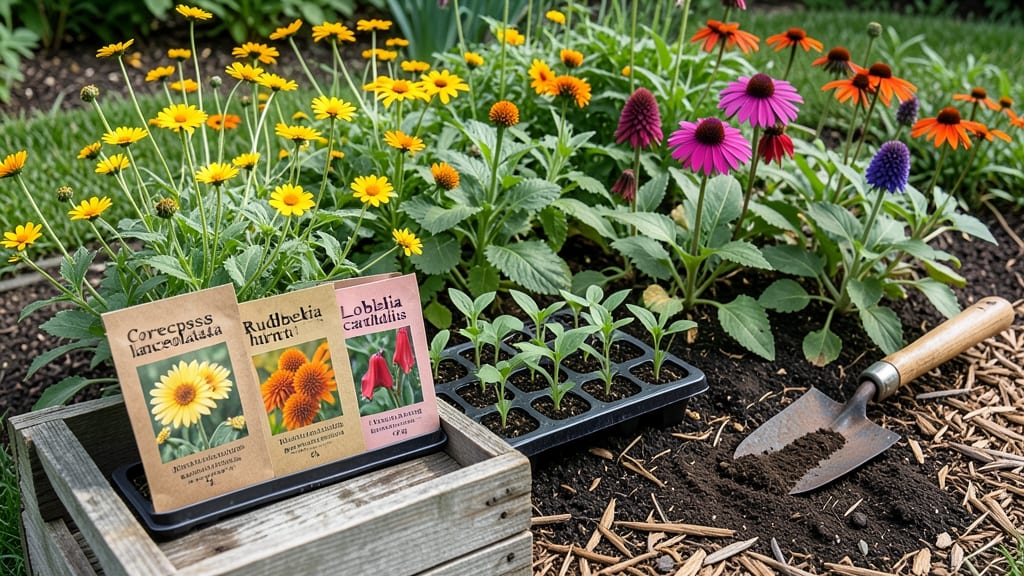
To plant wildflowers in Alabama at the right time means year-round blooms from your USDA 7b/8a meadow—no more patchy color or weeds stealing the show.
Alabama’s mild winters and long growing season make it a paradise for wildflowers—but planting at the wrong time can mean sparse blooms or invasive weeds taking over. Timing is everything for year-round color, and USDA Zones 7b/8a demand precision to maximize your wildflower meadow’s potential.
Fall planting in September or October is your best bet for spring blooms, while late winter or early spring (February-March) sets up summer color. Native species like black-eyed Susans and coreopsis thrive with this schedule, but regional microclimates—like North Alabama’s cooler pockets—may need slight adjustments.
Below, I’ll break down the exact windows for both annuals and perennials, soil prep tricks for Alabama’s red clay, and how to stagger plantings for nonstop blooms. Let’s make your meadow a showstopper from spring to fall.
Best planting months for Alabama wildflowers by seasonal type
Alabama’s diverse microclimates—from the cooler Appalachian foothills to the hotter Gulf Coast plains—create unique challenges for wildflower planting. Timing isn’t one-size-fits-all here, but mastering these windows ensures vibrant blooms from spring through fall.
Whether you’re sowing annuals, perennials, or native species, understanding frost dates and heat tolerance is key to success.
In USDA Zones 7b and 8a, your last frost typically arrives between mid-March and early April, while the first frost hits around mid-November. This 200-240 day frost-free window gives you two prime planting seasons: early spring (for warm-season lovers) and fall (for cool-season champions).
Let’s break down the best months for each wildflower type to maximize your meadow’s potential.
For annual wildflowers, think of March-April as your spring sprint and September-October as your fall marathon. These fast growers deliver instant color but require consistent watering during Alabama’s hot, dry summers. My top picks? Black-eyed Susans and Cosmos—both handle our 90°F+ temperatures like champions.
Perennial wildflowers demand more patience but reward you with years of blooms. Plant them in early March to give roots time to establish before summer’s intense heat, or try late August for a fall-to-spring display. Purple Coneflower and Butterfly Weed are Alabama natives that thrive with minimal fuss once established.
Native wildflowers are the workhorses of Alabama gardens, perfectly adapted to our humid climate and acidic soils. Fall planting (September-November) is ideal because seeds germinate in cool weather, avoiding the competition from summer weeds.
Try Partridge Pea for late summer color or Coreopsis for golden blooms that butterflies adore.
Don’t overlook cool-season mixes for winter interest! Plant these in late September through November to enjoy vibrant blooms when most gardens are dormant. Sweet Alyssum and Lobelia handle light frosts beautifully and add early spring color before warm-season flowers take over.
If you’re planting warm-season wildflowers like Sunflowers or Zinnias, wait until after your last frost date—typically mid-April in northern Alabama and early March along the Gulf Coast. These heat lovers thrive in Alabama’s long summers but may struggle if planted too early when nights are still chilly.
Pro tip: Stagger your plantings by 2-3 weeks to extend your bloom season. For example, sow half your seeds in March and the other half in mid-April to enjoy continuous color from spring through fall. This technique works especially well for annual mixes and native species.
Remember, Alabama’s microclimates create local variations. If you’re in northwest Alabama, you might experience earlier frosts than the southeast coast. Always check your specific last frost date and adjust accordingly.
With the right timing, your wildflower meadow will burst with color from spring through fall—and maybe even winter!
How to extend your wildflower blooms year-round in Alabama’s climate
Alabama’s unpredictable rainfall and hot summers make staggered wildflower plantings essential for nonstop color. The key is mixing cool-season and warm-season varieties to bridge blooming gaps. For example, planting coreopsis in early spring and black-eyed Susans in fall ensures flowers from March through November.
Alabama’s red clay soil drains poorly, so amending with compost and sand is critical. I recommend working in 2-3 inches of compost and a thin layer of coarse sand before scattering seeds. This improves drainage while retaining moisture—perfect for Alabama’s drought-prone summers.
To maximize blooms, water deeply but infrequently. Newly planted seeds need consistent moisture, but established wildflowers thrive with 1 inch of water per week. Use drip irrigation or soaker hoses to avoid fungal issues from overhead watering.
Best for cool-season natives like purple coneflower and goldenrod. Seeds germinate in cool soil and bloom early spring.
Ideal for warm-season species like black-eyed Susans and Mexican sunflower. Plant after last frost (typically mid-March).
Second chance for fall bloomers like aster and salvia. Seeds germinate quickly in warm soil before cooler temps arrive.
For drought-tolerant species like lupine and wild indigo. Seeds germinate in spring when temps rise, avoiding summer competition.
Alabama’s native wildflowers are the stars of year-round color. For spring blooms, prioritize purple coneflower, blazing star, and wild bergamot. These thrive in USDA Zone 7b/8a with minimal care.
In summer, black-eyed Susans and coreopsis take center stage, while fall asters and salvia extend color into November.
Mulch with straw or pine needles to suppress weeds and retain moisture. Avoid thick layers—just 1-2 inches is enough. This mimics Alabama’s natural forest floors where wildflowers thrive without competition.
With these strategies, your meadow will bloom continuously from March through November, even in Alabama’s unpredictable climate. The secret? Staggered plantings, proper soil prep, and seasonal adjustments—no more bare patches or weed takeovers! 🌼