
Flowers
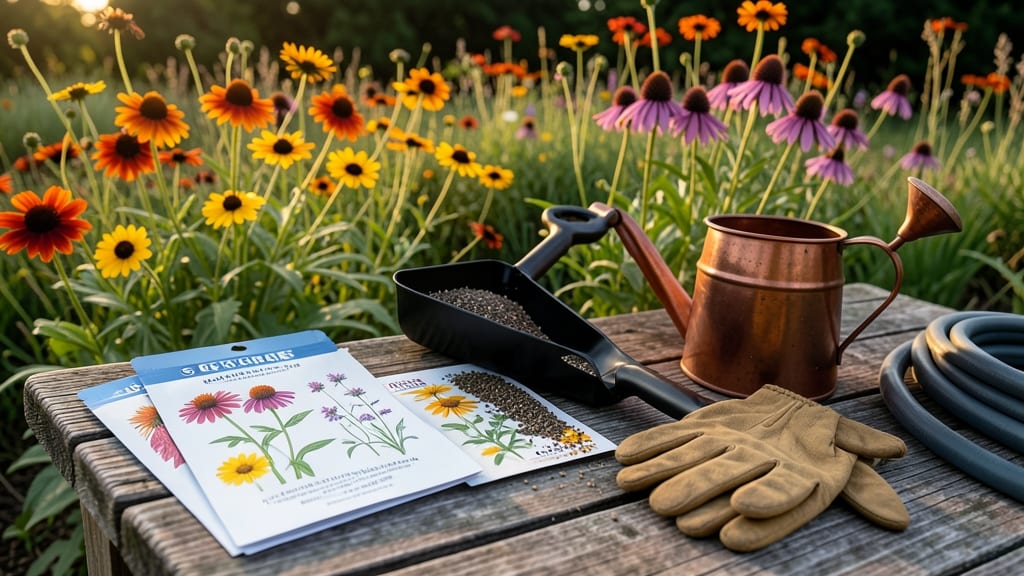
Planting wildflowers in Georgia at the right time ensures vibrant blooms year-round, especially in USDA Zones 7a-8b where timing can make or break your meadow.
Picture this: you’ve spent hours scattering seeds, only to watch them struggle through a late frost or bake under summer’s relentless sun. Georgia’s warm climate and diverse microclimates—from the Piedmont’s rolling hills to the coastal plains—mean the perfect planting window isn’t one-size-fits-all.
Whether you’re aiming for spring’s bold colors or fall’s golden hues, knowing the exact deadlines for your region is the key to success.
Fall planting (September–November) is the gold standard for most wildflowers, giving seeds time to establish roots before winter’s chill. But spring (March–April) can work wonders for heat-loving species like black-eyed Susans and coneflowers, provided you beat the mid-March frost that still catches gardeners off guard.
Below, I break down the month-by-month deadlines for Georgia’s zones, soil prep secrets, and the best wildflower mixes for your garden’s light and soil type. Ready to transform your yard into a pollinator paradise? Let’s get started.
Georgia wildflower planting deadlines by season: Zone 7a-8b breakdown
Georgia’s USDA Zones 7a-8b offer a 300-day growing season, but wildflowers thrive when planted during optimal windows that align with rainfall patterns and frost risks. Fall planting is my top recommendation—it gives seeds time to establish roots before winter rains, while spring planting ensures summer blooms.
Let’s break down the month-by-month deadlines for native species like black-eyed Susans, coneflowers, and milkweed.
For Zone 7a (colder microclimates like the North Georgia mountains), aim for September 15–October 31 for fall planting, while Zone 8b (coastal areas like Savannah) can extend deadlines to November 15.
Spring planting should start March 1–April 15 across both zones to avoid late frosts. Coastal areas have a 2-week advantage—use this to your benefit!
Here’s your month-by-month planting schedule with frost risk considerations:
| Season | Planting Window | Best Species | Frost Risk | Action Steps |
|---|---|---|---|---|
| Fall | September 15–October 31 | Black-eyed Susan, Coneflower, Milkweed, Coreopsis | Low (Zone 8b); Moderate (Zone 7a) | Scatter seeds, lightly rake, mulch |
| Late Fall | November 1–15 (Zone 8b only) | Wild Bergamot, Partridge Pea | High (Zone 7a); Low (Zone 8b) | Use frost cloth for Zone 7a |
| Spring | March 1–April 15 | Lupine, Blanket Flower, Gayfeather | Moderate (late frosts) | Start indoors for Zone 7a |
| Summer | May 1–June 15 | Sunflower, Zinnia, Cosmos | None (heat-tolerant) | Water deeply 2x/week |
Fall planting is my favorite strategy because seeds germinate in cool, moist soil, reducing competition from weeds. For Zone 7a, prioritize September 15–October 15 to avoid early frosts.
In Zone 8b, you can push to November 15—just monitor soil temps (ideal: 60–70°F). Use a soil thermometer to time your planting perfectly!
Spring planting requires patience. Wait until March 15 (after last frost) to sow directly outdoors. For Zone 7a, start wild bergamot or lupine indoors in February to get a head start. Coastal areas can plant 2 weeks earlier—listen to your local extension office for frost alerts.
Summer planting is tricky but rewarding. Focus on heat-loving species like cosmos or zinnia between May 1–June 15. These thrive in Georgia’s summer heat and attract pollinators when other flowers fade. Just water deeply 2x/week to prevent bolting.
Pro tip: Stagger your plantings by 2–3 weeks to extend blooms. For example, sow half your seeds in September and the other half in October.
This ensures continuous color from spring to fall. Pair early bloomers (like lupine) with late-season stars (like goldenrod) for a year-round show.
Microclimates matter! Coastal Georgia (Zone 8b) has warmer winters, so you can plant wildflowers like partridge pea as late as November 15. In contrast, North Georgia’s mountains (Zone 7a) may see frost by November 1, so October 15 is your cutoff.
Always check your local frost dates—they’re your planting deadline.
Don’t forget to prepare your soil! Loosen the top 6 inches of soil, mix in compost, and rake seeds lightly into the surface. Avoid burying seeds—most wildflowers need light to germinate.
After planting, apply a thin layer of mulch to retain moisture and suppress weeds. This step alone can double your success rate!
For pollinator gardens, include milkweed (for monarchs) and coneflowers (for bees). Plant these in full sun and well-draining soil
Best wildflower seed mixes for Georgia’s climate and pollinator needs
Choosing the right wildflower seed mix for Georgia’s USDA Zones 7a-8b can transform your garden into a thriving pollinator haven. Georgia’s heat, humidity, and occasional droughts demand seed mixes that are both drought-tolerant and adapted to local soil types, from sandy coastal plains to clay-rich Piedmont regions.
The best mixes combine native species like black-eyed Susans, coneflowers, and milkweed with low-maintenance annuals for continuous blooms.
My top recommendations focus on pollinator-friendly varieties that attract bees, butterflies, and hummingbirds while thriving in Georgia’s full sun to partial shade conditions. Whether you’re restoring a wild meadow or adding color to a sunny border, these mixes deliver year-round interest with minimal upkeep.
Let’s dive into the best seed blends for your garden’s specific needs.
| Seed Mix | Best For | Sunlight Needs | Pollinators | Drought Tolerance |
|---|---|---|---|---|
| Native Georgia Wildflower Mix | Restoration projects, meadows | Full sun to partial shade | Bees, butterflies, hummingbirds | High |
| Sunny Border Mix | Garden borders, sunny spots | Full sun (6+ hours) | Bees, butterflies | Moderate |
| Shade-Tolerant Mix | Woodland edges, partial shade | Partial shade (3-6 hours sun) | Bees, beneficial insects | Moderate |
| Hummingbird & Butterfly Haven | Pollinator gardens, wildlife areas | Full sun to partial shade | Hummingbirds, monarchs, bees | High |
For native Georgia wildflower mixes, look for blends featuring coreopsis, goldenrod, and partridge pea—these drought-resistant species thrive in Georgia’s clay-heavy soils and attract native bees and butterflies.
If you’re planting in full sun, opt for black-eyed Susans and coneflowers, which provide bold colors and long-lasting blooms from summer through fall. These varieties also support monarch butterflies, making them a must for any pollinator garden.
In partial shade, consider shade-tolerant mixes with wild bergamot and purple coneflower, which handle Georgia’s humidity while still drawing in bees and beneficial insects. These mixes are perfect for woodland edges or underneath trees where direct sunlight is limited.
Always check the seed packet for specific soil requirements, as some mixes perform better in sandy coastal soils versus clay-rich Piedmont areas.
To maximize pollinator appeal, include milkweed for monarchs and bee balm for hummingbirds. These high-value plants ensure your garden becomes a year-round feeding station. For low-maintenance results, avoid over-fertilizing—wildflowers thrive in poor soil and minimal water once established.
A light mulch after planting helps retain moisture during Georgia’s hot, dry summers.
Pro tip: Stagger your planting by sowing half in fall (September–October) and the other half in early spring (March). This creates a continuous bloom cycle, ensuring color from spring through fall.
Pair your seed mix with native grasses like little bluestem for added texture and wildlife habitat. With the right mix, your Georgia garden will buzz with life—literally! 🌻