
Lawn
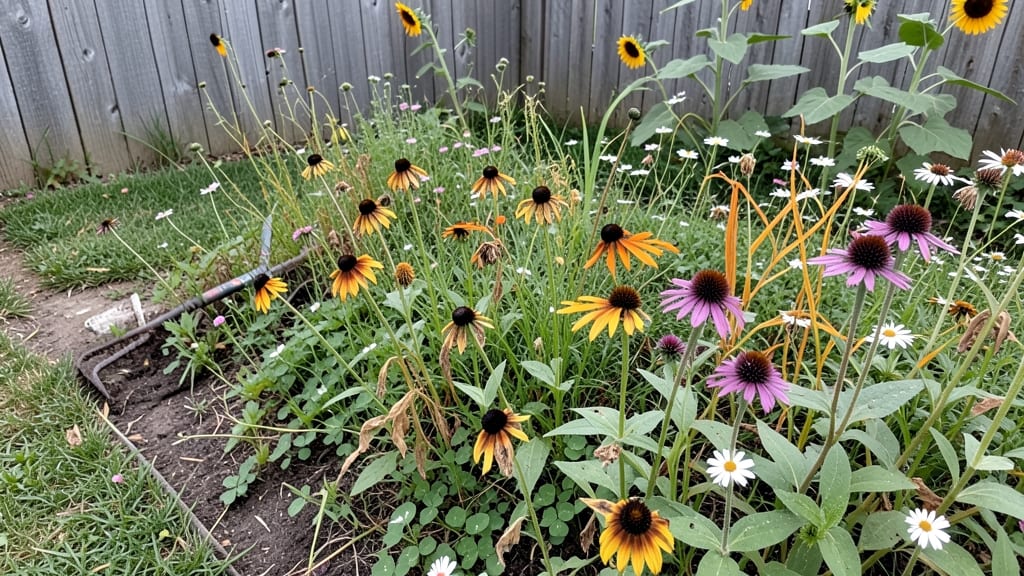
A wild flower lawn 🌼 replaces your high-maintenance grass with a living tapestry of color, movement, and life—no mower, no chemicals, just seasonal magic.
Tired of spending weekends mowing, watering, and fertilizing your lawn—only to end up with a dull, monoculture green? A wild flower lawn transforms your yard into a vibrant, low-maintenance ecosystem that thrives on nature’s own schedule.
This isn’t just about saving time—it’s about creating a space that feeds bees, butterflies, and birds while cutting your upkeep by 90%. The right mix of native wildflowers can bloom from spring to fall, turning your lawn into a pollinator paradise without the effort.
In this guide, I’ll walk you through how to design, plant, and maintain a wild flower lawn that looks stunning year after year—with almost no work. Let’s get started.
How to start a wild flower lawn: step-by-step guide for beginners
A wild flower lawn isn’t just a pretty alternative to grass—it’s a thriving ecosystem that supports pollinators, reduces water use, and eliminates mowing. The key to success lies in proper site prep and seed selection.
Unlike traditional lawns, wildflower meadows rely on natural soil fertility and seasonal cycles, so we’ll focus on creating ideal conditions from day one. Whether you’re converting a patch of grass or starting fresh, these steps ensure your wildflower lawn blooms beautifully within the first year.
Before you begin, know that regional native seeds are your best bet—they adapt to your climate, require less water, and attract local wildlife. For example, black-eyed Susans and purple coneflowers thrive in USDA Zone 6a, while California poppies prefer drier climates.
Always check seed packets for sunlight requirements and bloom times to match your yard’s conditions. A little research now saves headaches later.
Choose Your Location
Select a sunny spot with 6+ hours of sunlight daily for best results. Wildflowers tolerate partial shade, but full sun yields vibrant blooms and stronger plants. Avoid low-lying areas where water pools, as soggy soil can drown seeds or invite weeds.
Test and Prepare Your Soil
Use a soil test kit (available at garden centers) to check pH levels. Wildflowers prefer slightly acidic to neutral soil (pH 6.0–7.0). If your soil is compacted or clay-heavy, loosen the top 2–3 inches with a rake or broadfork. Avoid tilling, which disrupts beneficial soil microbes.
Select Your Seed Mix
Pick a pre-mixed wildflower blend tailored to your region and goals. For pollinator gardens, choose mixes with milkweed, bee balm, and goldenrod. For drought resistance, opt for yarrow, coreopsis, and blanket flower. Always include 10–20% native grasses to stabilize the soil and suppress weeds.
Sow the Seeds
Scatter seeds evenly over the prepared area using a seed spreader or by hand. Lightly rake to ensure seed-to-soil contact (no deeper than 1/4 inch). For larger areas, divide the space into sections and sow one at a time to avoid missing spots.
Press seeds gently with your foot or a roller to help them germinate faster.
Water Gently
Keep the soil consistently moist (not soggy) for the first 30 days. Water lightly daily or every other day, aiming for 1/4 inch of water per session.
Use a fine mist setting on your hose or a watering can to avoid displacing seeds. Once seedlings emerge, reduce watering to 2–3 times per week.
Monitor and Maintain
Watch for weed competition in the first few weeks. Pull weeds by hand or spot-treat with vinegar-based herbicide (avoid chemical sprays near seedlings). After 60 days, let the wildflowers grow taller—this shades out weeds naturally.
In late fall, trim back dead foliage to 2–3 inches to protect plants over winter.
The first 30 days are critical for seedling establishment. If you notice uneven germination, lightly reseed bare spots and keep the soil moist. Avoid fertilizing—wildflowers thrive in low-nutrient soil.
Instead, mulch with straw or leaves to retain moisture and regulate soil temperature. By Day 60, you should see first blooms, signaling your wildflower lawn is on track!
One common mistake beginners make is overwatering once the lawn is established. Wildflowers are drought-tolerant once rooted, so deep, infrequent watering (every 7–14 days) is ideal. In USDA Zone 6a, aim to water deeply in spring and fall, then reduce to monthly light watering in summer.
This mimics natural rainfall patterns and encourages deep root growth.
For long-term success, consider dividing your wildflower lawn into sections. Plant early bloomers (like lupine) in one area and late-season flowers (like goldenrod) in another to extend your bloom season from spring to frost.
This also creates a stunning color progression that changes with the seasons. Over time, your wildflower lawn will become a self-sustaining ecosystem that requires minimal effort.
Remember, the goal isn’t perfection—it’s biodiversity and beauty in motion. Embrace the messy charm of wildflowers and enjoy the hummingbirds, butterflies, and bees that will soon call your yard home.
With these steps, your wildflower lawn will not only reduce your workload but also enhance your garden’s ecological value.
Best wild flower seed mixes for pollinators, color, and climate zones
Choosing the right wild flower seed mix depends on your goals—whether you want a butterfly magnet, drought-resistant beauty, or year-round color. Native species thrive best in your climate zone while supporting local pollinators. Avoid invasive varieties like mullein or knapweed, which crowd out beneficial plants.
For cool climates (USDA Zones 3–6), opt for hardy perennials like black-eyed Susan and purple coneflower. In warm zones (7–10), blanket flower and Mexican sunflower dominate with bold hues. Transitional zones (6–7) blend both for resilience. Each mix balances bloom time to ensure continuous color.
| Seed Mix Type | Best For | Key Species | Climate Zones | Bloom Time | Pollinator Value |
|---|---|---|---|---|---|
| Butterfly Haven | Monarchs & bees | Milkweed, Coneflower, Aster | 3–9 | Spring–Fall | ★★★★★ |
| Drought-Tolerant | Low-water areas | Blanket Flower, Yarrow, Penstemon | 4–10 | Summer–Fall | ★★★★☆ |
| Year-Round Color | Continuous blooms | Poppy, Phlox, Goldenrod | 5–8 | Spring–Frost | ★★★☆☆ |
| Native Prairie | Ecosystem support | Big Bluestem, Wild Bergamot, Coreopsis | 3–7 | Summer–Fall | ★★★★★ |
For cool climates, prioritize perennial mixes with deep roots like bee balm and lupine. These handle frost and light shade better than sun-lovers. In warm zones, annuals like cosmos and zinnia self-seed for year-round displays if deadheaded.
Always check seed packets for native species—they require less water and no pesticides. For example, wild bergamot thrives in USDA Zone 4 while firewheel prefers Zone 9. Mix 3–5 species per 100 sqft to ensure diverse blooms and pollinator support.
Test your soil’s pH before planting. Most wildflowers prefer slightly acidic to neutral (6.0–7.0). Amend with compost if soil is clay-heavy or sandy. Avoid synthetic fertilizers—they encourage weeds over native plants.
Start with a small patch (5x5 ft) to test your chosen mix. Monitor bloom times and adjust future plantings to fill gaps. For instance, add spring ephemerals like bloodroot alongside summer coneflowers for season-long color.