
Succulent
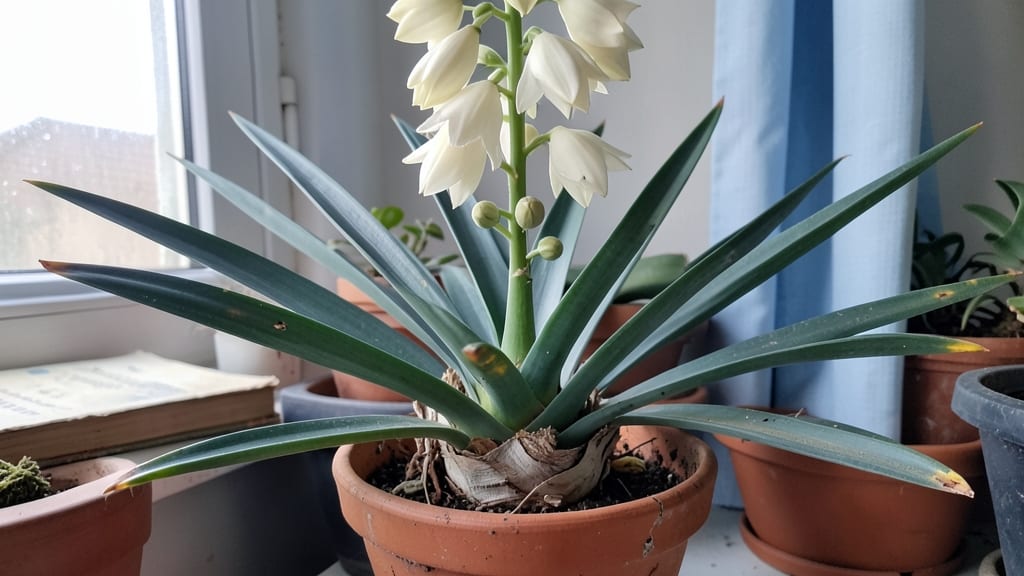
Yucca flower blossoms transform your plant into a striking architectural masterpiece 🌵 — but most growers never see them because they miss the exact conditions that trigger blooming.
Watching a yucca plant burst into dramatic, candle-like flower blossoms is a rare indoor gardening triumph—but most growers never see it. The secret lies in understanding the precise triggers and care that coax these striking blooms from your plant, whether you're a seasoned houseplant enthusiast or a curious beginner.
Yuccas thrive in bright light and well-draining soil, but they need more than just good conditions to bloom. A little strategic stress—like a dormancy period in cooler months—can make all the difference. Without it, your plant might stay lush but never flower.
In this guide, I’ll walk you through the three key triggers for yucca blooms, how to adjust your care routine, and what to watch for when buds start forming. By the end, you’ll know exactly how to turn your yucca into a showstopper.
How to trigger yucca flower blossoms: the exact conditions needed
Yucca plants are famous for their striking, sword-like foliage, but their candle-like flower blossoms are what truly steal the show. Unfortunately, many indoor growers never see these dramatic spikes of white or cream blooms because they miss the three critical triggers yuccas need.
Unlike tropical houseplants, yuccas are native to arid regions and require specific conditions to push them into bloom. Understanding these triggers—light intensity, temperature fluctuations, and dormancy periods—is the key to unlocking those stunning floral displays.
If your yucca has been sitting in a sunny window for years without a single bloom, don’t blame your plant—blame the missing environmental cues. Yuccas are masters of survival, and they won’t waste energy on flowers unless they’re confident survival isn’t at risk.
That’s why stress techniques, like controlled water reduction and temperature dips, often work better than pampering. Let’s break down the exact steps to coax your yucca into flowering, starting with the foundational conditions that set the stage for success.
Most growers overlook the temperature fluctuations requirement, assuming yuccas are purely heat-loving plants. In reality, these desert natives evolved to bloom after periods of cool nights and warm days, a pattern they can’t detect indoors without your help.
If your home stays consistently warm year-round, your yucca might never receive the environmental signal to produce flowers. Try placing your plant near a cool drafty window or use a small fan at night to create a slight temperature drop.
Another common mistake is overwatering during dormancy. Yuccas store water in their thick leaves and stems, so they don’t need frequent watering in winter. In fact, soggy soil during this period can trigger root rot and prevent blooming entirely.
Let the soil dry out completely between waterings—stick your finger 2-3 inches deep; if it’s dry, it’s time to water. This water restriction mimics the natural dry seasons yuccas experience in the wild.
Timing is everything when it comes to dormancy triggers. For indoor yuccas, the ideal period to reduce water and cool temperatures is late fall to early winter (October-December).
This aligns with the plant’s natural cycle and gives it enough time to recover and bloom in late winter or spring. If you live in a warmer climate (USDA zones 9-11), you can extend dormancy into early spring for a summer bloom cycle.
One pro tip I’ve used with success is to mimic seasonal changes even indoors. For example, if your yucca hasn’t bloomed in 2+ years, try this: Move it to a cooler room (55-60°F) for 6-8 weeks in winter, reduce watering, and then return it to bright, warm conditions in spring.
This artificial seasonal shift often breaks the cycle of non-blooming and triggers flower buds within months.
While yuccas are drought-tolerant, they’re not completely indestructible. Avoid these common blooming killers: overwatering, low-light conditions, and constant high humidity. Yuccas thrive in dry air, so if you’re using a humidifier near your plant, move it away or reduce humidity levels below 40%.
High humidity can lead to fungal issues and stress the plant, making it less likely to bloom.
Patience is key when encouraging yucca blooms. Some mature yuccas (3+ years old) may take 1-2 years to respond to these triggers, while others bloom within 6 months of adjusting their care.
Keep a gardening journal to track your yucca’s progress—note when you adjusted light, temperature, and watering, and whether flower buds appear. This will help you refine your approach for future blooms.
Once you’ve mastered these three critical triggers, your yucca will reward you with dramatic, fragrant flower spikes that can reach 3-6 feet tall. These blooms not only add beauty to your space but also attract pollinators like moths and bees.
With the right conditions, your yucca can become a reliable indoor bloomer, proving that even desert plants can thrive—and flourish—inside your home.
Step-by-step yucca flower care: from bud to full bloom
Once your yucca plant forms those tight flower buds, the real work begins. These 6-12 week blooming periods demand precise care to prevent bud drop or wilting stems.
I’ve learned that even small adjustments in watering frequency and environmental support can make the difference between a stunning display and disappointing failure. Let’s break down exactly what your yucca needs during this critical phase.
The moment you spot flower buds forming, reduce watering to every 2-3 weeks instead of your usual schedule. Overwatering at this stage causes bud rot and stem collapse. I use my finger to check soil moisture—only water when the top 2-3 inches feel completely dry.
This mimics the plant’s natural drought tolerance and prevents stress that could trigger early bud drop.
Step-by-Step Yucca Flower Care
- Week 1-2: Support stems with bamboo stakes or small wooden dowels. Tie gently with soft twine to prevent snapping as buds grow heavier.
- Week 3-4: Increase humidity to 40-50% using a pebble tray or humidifier. Avoid misting buds directly to prevent fungal spots.
- Week 5-8: Move plant to a bright, indirect light spot (e.g., 3 feet from a south-facing window). Avoid direct midday sun that can scorch delicate blooms.
- Week 9-12: Fertilize lightly with half-strength balanced fertilizer (5-10-10) to support bloom longevity. Stop fertilizing once flowers open.
- Ongoing: Monitor for aphids or whitefly infestations. Wipe buds with a damp cloth if pests appear.
During the 6-8 week mark, watch for bud blasting—a sudden drop of buds before opening. This usually signals temperature fluctuations or low humidity. I keep my yucca in a consistent 65-75°F environment and use a small humidifier nearby.
If buds start wilting, trim them off immediately to redirect the plant’s energy toward healthier growth.
For outdoor yuccas in zones 9b-11, the process is simpler. Let the plant dry out completely between waterings and provide afternoon shade during peak bloom. I’ve seen outdoor yuccas bloom for 3-4 weeks with minimal intervention, thanks to natural humidity and stable temperatures.
If your yucca’s flower stems bend under the weight of blooms, don’t panic. Gently prop up stems with small stakes or even rolled-up newspaper. I’ve used soft floral tape to secure stems without damaging the plant. This small adjustment can extend bloom time by 1-2 weeks.
Once blooms open, enjoy the show—but don’t forget post-bloom care. After flowers fade, trim dead stems at the base to encourage new growth. I’ve found that yuccas often produce second flushes of buds if given proper care after the first bloom cycle.
With patience and these adjustments, your yucca can reward you with multiple blooming seasons.