
Trees
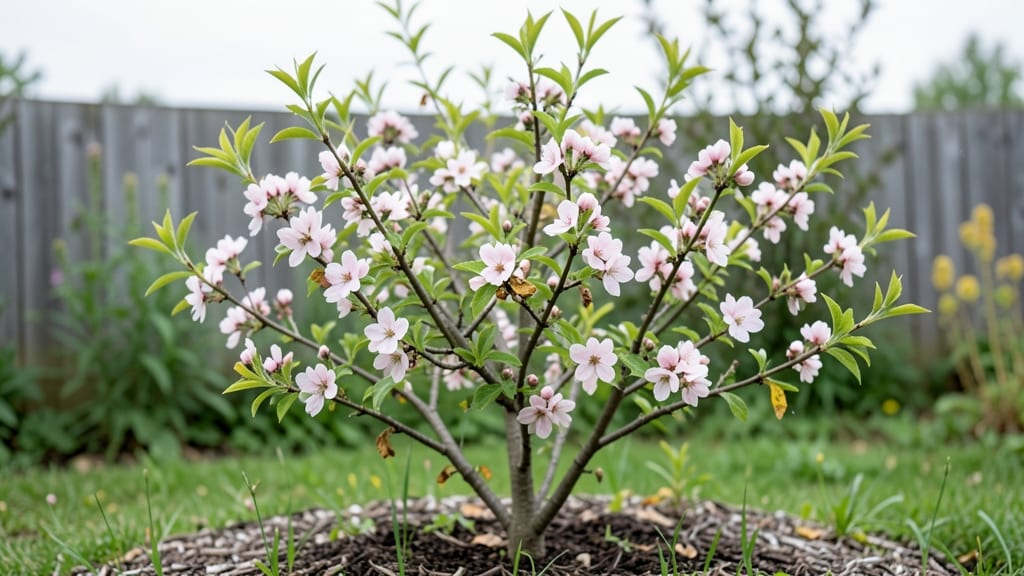
The Corinthian flowering peach tree 🌸 thrives in colder climates, offering stunning blooms even when frost lingers—something most peach varieties can’t do.
Imagine a tree that bursts into pink and white flowers in spring, then holds its own through chilly winters, all while staying disease-resistant. That’s the magic of this cold-hardy hybrid, perfect for gardeners in USDA Zones 5-8 who crave year-round color without the fuss.
But here’s the catch: it needs the right care to survive—and thrive. From planting in well-drained soil to pruning for better blooms, this guide covers every step to keep your tree looking its best, even when temperatures drop.
Ready to add a low-maintenance, high-impact tree to your landscape? Let’s get started with the essentials for planting, growing, and protecting your Corinthian flowering peach tree.
Why the Corinthian flowering peach tree thrives in cold climates
The Corinthian flowering peach tree (Prunus persica × Prunus cerasifera) is a cold-hardy marvel that blooms beautifully even in USDA Zones 5-8. Unlike traditional peach trees, this hybrid thrives in winter conditions thanks to its genetic resilience and adaptive growth habits.
Its ability to produce stunning pink and white flowers year-round—even in frost—makes it a standout for northern gardeners.
This tree’s cold tolerance stems from its hybrid genetics, combining the hardiness of plum trees (Prunus cerasifera) with the ornamental beauty of peach trees. The result? A tree that survives winter dormancy while still delivering vibrant blooms when others remain dormant.
Its deep root system and thick bark also protect it from extreme cold and frost damage.
Cold tolerance isn’t just about survival—it’s about seasonal adaptation. The Corinthian tree enters a dormant phase in late fall, conserving energy until spring. However, its buds form early, allowing it to bloom as soon as temperatures rise, often in late winter or early spring—a full month earlier than many other trees.
This early bloom strategy is a key survival mechanism. By flowering before pests and diseases become active, the tree maximizes pollination success and minimizes stress. Additionally, its semi-evergreen foliage provides year-round interest, even in snowy climates.
Another advantage is its flexible growth habit. Unlike delicate peach varieties, the Corinthian tree adapts to cold snaps by slowing growth and protecting its cambium layer—the growth tissue beneath the bark.
This makes it far more frost-resistant than traditional peach trees, which often suffer bud damage in Zone 5 winters.
For gardeners in USDA Zones 5-8, this tree is a game-changer. It outperforms many ornamental trees by delivering continuous color without the need for greenhouse protection. Its ability to thrive in colder microclimates—like urban areas with windbreaks or sheltered yards—makes it ideal for northern landscapes.
Let’s break down the key factors that make this tree so cold-hardy, from its genetic makeup to its seasonal care requirements.
| Feature | Specification | Cold-Climate Benefit |
|---|---|---|
| Genetic Hybrid | Prunus persica × Prunus cerasifera | Combines peach beauty with plum hardiness |
| USDA Hardiness Zones | 5-8 | Survives down to -20°F (-7°C) |
| Root System | Deep, extensive roots | Anchors tree; resists wind and frost heave |
| Bark Thickness | Thick, rugged bark | Protects against cambium damage in winter |
| Dormancy Period | Late fall to early spring | Conserves energy; reduces frost stress |
| Bloom Timing | Late winter/early spring | Avoids late frost damage to buds |
| Foliage Type | Semi-evergreen | Provides winter interest; insulates buds |
| Soil Adaptability | Well-draining, slightly acidic | Prevents root rot in wet winters |
| Sunlight Needs | Full sun (6+ hours/day) | Maximizes winter survival and bloom production |
One of the most impressive aspects of the Corinth
Step-by-Step planting and care for year-round blooms
The Corinthian flowering peach tree thrives with the right care, especially in cold climates. Its stunning pink-white blooms appear even in USDA Zones 5-8, but success hinges on proper planting techniques and seasonal adjustments.
Whether you're a beginner or experienced gardener, these steps will ensure your tree stays healthy and vibrant year-round.
Start with well-draining soil—this tree hates soggy roots. Amend heavy clay with compost or sand to improve aeration. Choose a sunny location with at least 6 hours of direct sunlight daily. Cold climates benefit from southern exposure, which maximizes winter warmth and spring blooms.
- 🌱 Step 1: Choose the Right Spot – Plant in full sun (south-facing) with well-draining soil. Avoid low areas where frost lingers.
- 🪴 Step 2: Prepare the Soil – Mix compost (25%) and sand (if clay-heavy) into the planting hole. Test pH 6.0-7.0 for optimal growth.
- 💧 Step 3: Plant After Last Frost – In USDA Zones 5-8, plant 2-3 weeks post-last frost (typically April-May). Dig a hole twice as wide as the root ball.
- ✂️ Step 4: Prune for Structure – Trim dead or crossing branches in late winter (before buds swell). Avoid heavy pruning—this tree blooms on old wood.
- 🌡️ Step 5: Winter Protection – Wrap the trunk with burlap in Zone 5 winters. Apply 3-4 inches of mulch around the base to insulate roots.
- 🌿 Step 6: Fertilize in Spring – Use a balanced 10-10-10 fertilizer in early March, just as buds swell. Skip summer/fall feeding—it encourages late growth vulnerable to frost.
- 📅 Step 7: Adjust Watering by Season – Water deeply weekly in spring/summer, then bi-weekly in fall. Reduce to monthly in winter—overwatering causes root rot.
Pruning is key to year-round blooms. In cold climates, prune late winter (just before buds break) to remove deadwood and shape the tree. Avoid heavy cuts—this tree blooms on old wood, so aggressive pruning reduces next year’s flowers. Use sterilized shears to prevent disease spread.
Winter care makes all the difference in Zone 5-6. Wrap the trunk with burlap to shield against sharp temperature swings. Apply 3-4 inches of mulch (wood chips or straw) around the base, but keep mulch 6 inches away from the trunk to prevent rot.
This insulation helps roots survive sub-zero temps.
Watering needs shift with the seasons. In spring and summer, give your tree a deep soak weekly (10-15 gallons). As temperatures drop, reduce to bi-weekly watering in fall and monthly in winter.
Always water in the morning to prevent fungal diseases like peach leaf curl, a common issue in damp climates.
With these steps, your Corinthian flowering peach tree will reward you with stunning blooms from early spring to late winter—even in cold zones. The secret? Consistent care, seasonal adjustments, and a little extra love during frost-prone months. 🌸