
Flowers
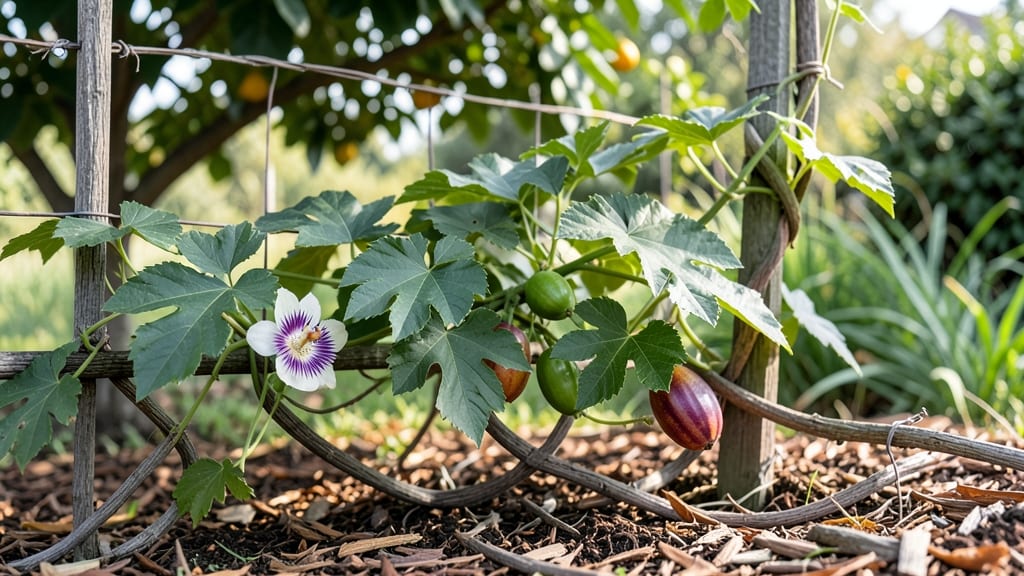
Growing passion fruit from flower to fruit is a rewarding journey that turns your vine into a tropical treasure chest—but only if you know the key stages and what each bloom needs to thrive.
Imagine this: your vine bursts into fragrant blossoms, only for them to wilt without leaving a trace. That’s the heartbreak of missed pollination or poor care, and it happens more often than you’d think.
The good news? With the right timing and a few simple tricks, you can guide every flower through to a sweet, ripe fruit.
From the moment those exotic blooms unfurl to the day you pluck a sun-ripened passion fruit from the vine, each step matters.
I’ll walk you through the critical moments—when to hand-pollinate, how to spot trouble early, and what to do when the fruit starts to form—so you don’t miss a single stage.
Whether you’re a first-time grower or a seasoned gardener, this step-by-step guide will help you turn your passion fruit vine into a high-yielding powerhouse, one bloom at a time.
Passion fruit flowering stages: how to recognize and support healthy blooms
Understanding the passion fruit flowering stages is the key to unlocking a bountiful harvest. These exotic blooms go through three critical phases: budding, opening, and pollination—each requiring specific attention to ensure successful fruit set.
Without proper care, many flowers fall off before fruiting, leaving gardeners wondering why their vines aren’t producing. Let’s break down what to watch for at each stage and how to support your passion fruit vine for maximum success.
First, you’ll notice flower buds forming along new growth. These small, green swellings appear in clusters and take about 3-5 days to mature into fully formed buds. Healthy buds should feel firm and plump, not shriveled or mushy.
If you see buds dropping prematurely, it’s often a sign of stress from drought, nutrient deficiency, or temperature extremes. Keep your vine well-watered and in a spot with consistent warmth (70-85°F) to encourage bud development.
The next phase is when buds open into stunning, intricate flowers—a sight that makes all the effort worthwhile! These blooms typically last 24-48 hours before wilting, so timing is everything.
The flowers are hermaphroditic, meaning they contain both male and female reproductive parts, but they still rely on pollinators like bees, hummingbirds, or even wind to transfer pollen effectively. If you’re growing passion fruit in a low-pollinator area or indoors, you’ll need to step in and hand-pollinate.
🌱 Step-by-Step: Passion Fruit from Flower to Fruit
-
Step 1: Bud Formation
Watch for green buds on new growth. Ensure 6+ hours of sunlight and consistent moisture to prevent bud drop. -
Step 2: Flower Opening
Flowers bloom for 24-48 hours. Look for vibrant purple and white petals with a central corona. This is peak pollination time! -
Step 3: Pollination
Use a soft paintbrush or cotton swab to transfer pollen from the male stamens to the female stigma if pollinators are scarce. -
Step 4: Fruit Set
After pollination, the ovary swells into a tiny fruit. Remove any unpollinated flowers to redirect energy to developing fruit. -
Step 5: Fruit Development
Fruits grow from 1 inch to 3-6 inches over 8-12 weeks. Monitor for pests or cracking and adjust watering as needed. -
Step 6: Ripening
Harvest when the fruit changes from green to yellow/orange and yields slightly to touch. This can take 120-240 days depending on the variety.
One of the biggest challenges gardeners face is identifying healthy vs. failing flowers. Healthy passion fruit flowers are vibrant, fully open, and fragrant, with a bright purple and white coloration.
In contrast, failing flowers may appear wilted, discolored, or shriveled, often due to underwatering, overwatering, or nutrient deficiencies. If you spot a flower that’s already wilting after just a few hours, it likely wasn’t pollinated or was stressed before opening.
In this case, focus your energy on the next batch of blooms.
To maximize pollination success, especially in indoor settings or areas with few pollinators, I recommend hand-pollination.
Here’s how: On a sunny morning when flowers are fully open, use a soft paintbrush or cotton swab to gently brush the male stamens (the yellow structures) against the female stigma (the central raised part). Repeat this process for 3-5 consecutive days to ensure thorough pollination.
This method mimics what bees would naturally do and significantly increases your chances of fruit set.
Another pro tip is to prune your vine strategically to improve airflow and sunlight penetration. Passion fruit vines can become dense and tangled, which creates a humid microclimate that encourages fungal diseases like powdery mildew.
Prune back any overly crowded or diseased growth while leaving room for new buds to develop. Aim to keep the vine open and airy, which also makes it easier to spot and hand-pollinate flowers.
If you’re growing passion fruit in a container or indoor space, you’ll need to be extra vigilant about humidity and temperature. These tropical plants thrive in 60-80% humidity, so consider using a humidifier or misting system if your air feels dry.
Additionally, avoid placing your vine near drafts or air conditioning vents, as sudden temperature drops can cause flowers to abort. A consistent environment is key to keeping your blooms healthy and productive.
Finally, don’t forget to fertilize your passion fruit vine during the flowering stage. Use a balanced fertilizer with higher phosphorus (like a 5-10-10 formula) to encourage blooming and fruiting. Apply it every 4-6 weeks during the growing season, always watering thoroughly after application to prevent root burn.
Over-fertilizing can lead to excessive leafy growth at the expense of flowers, so follow the recommended dosage closely.
With these strategies, you’ll be well on your way to transforming those delicate flowers into sweet, exotic passion fruits. Keep an eye on each stage, and don’t hesitate to intervene when needed—your future harvest will thank you! 🌿🍈
From fruit set to ripe passion fruit: growth timeline and care tips
Once your passion fruit flowers have been successfully pollinated, the real magic begins. Within days, you’ll notice tiny green fruits forming where the blossoms once stood. This is your cue to adjust care routines—because what worked for flowers won’t always work for fruit development.
The next 8-12 weeks are critical, as the fruit goes through dramatic changes in size, color, and texture.
Understanding these week-by-week milestones helps you spot problems early. For example, a fruit that stops growing after 2 weeks might need more phosphorus-rich fertilizer, while one that cracks suddenly could signal uneven watering.
Let’s break down what to expect—and how to keep your passion fruit on track to ripeness.
| Stage | Size | Color | Care Focus | Common Issues |
|---|---|---|---|---|
| Week 1-2 | Pea-sized (0.5 inch) | Bright green | Water deeply; avoid fertilizer | Fruit drop if stressed |
| Week 3-4 | Golf ball (1.5 inch) | Dull green | Light feed (5-10-10) | Slow growth = nutrient deficiency |
| Week 5-6 | Tennis ball (2.5 inch) | Yellow-green stripes | Prune vines; increase humidity | Cracking from uneven water |
| Week 7-8 | Softball (3.5 inch) | Yellow/orange | Reduce water slightly | Pests (aphids, mites) |
| Week 9-10 | Baseball (4+ inch) | Deep yellow/red | Harvest soon! | Overripe = mushy texture |
Your passion fruit’s sunlight needs remain critical during this phase. While flowers thrive in 6+ hours of direct sun, developing fruit demands even more intensity. If your vine is in a container, move it to the sunniest spot in your yard—shade now can lead to pale, flavorless fruit.
I’ve seen vines in partial shade produce fruit that’s only half the size and lacks the vibrant colors of sun-ripened passion fruit.
Watering becomes a delicate balance once the fruit starts forming. Too much water causes cracking (a common issue with passion fruit), while too little leads to stunted growth or fruit drop.
Aim for 1-2 gallons of water per plant every 2-3 days, delivered in the early morning to prevent fungal issues. If your soil drains poorly, consider adding organic compost to improve aeration and moisture retention.
Humidity plays a surprising role in passion fruit development. In dry climates, I’ve found that misting the vines daily during fruit set helps prevent cracking and encourages even growth. For indoor growers, a humidifier near the plant can mimic tropical conditions.
Watch for signs of stress like wilting leaves or dry fruit skin—these are your clues to adjust water or humidity levels immediately.
By week 6, your passion fruit should start showing color changes—those signature yellow stripes or blushes that signal ripening. This is also when you’ll notice the fruit’s texture softening, a key indicator it’s nearing harvest.
But don’t rush! The sweetest flavor comes from fruit that’s left on the vine until it’s fully colored and slightly yielding to touch. Patience here makes all the difference in taste.
If you follow these care adjustments closely, you’ll avoid the most common pitfalls—like fruit drop or cracking—and end up with a vine heavy with ripe, juicy passion fruit.
The journey from flower to fruit is where the real magic happens, and with the right timing, your vine will reward you with a harvest that’s worth every effort. 🌱