
Vegetables
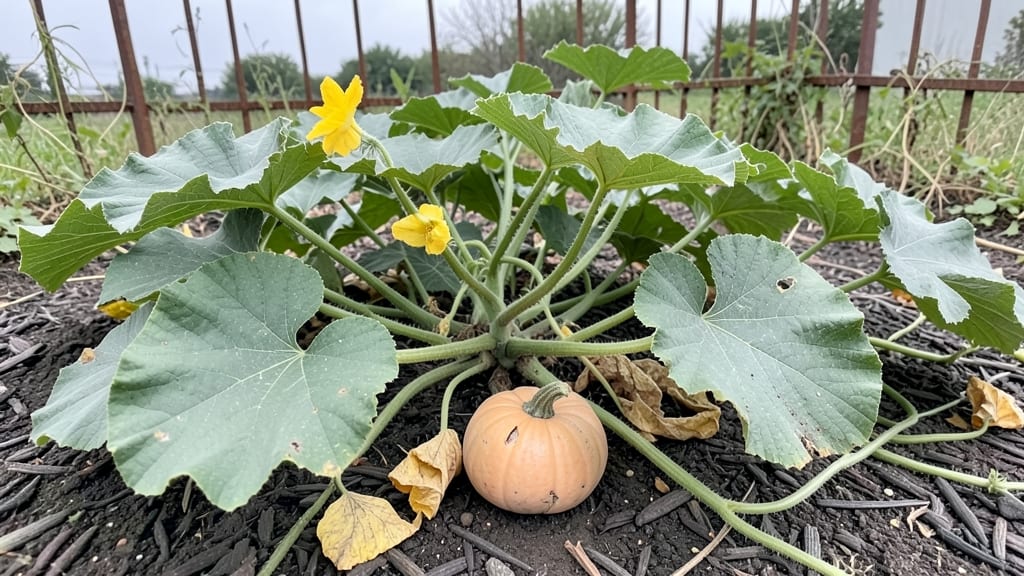
Your pumpkin plant’s yellow flowers might look odd, but they’re actually the first step to a bountiful harvest 🎃 — if you know how to guide them to fruit.
Imagine weeks of patient care, only to watch those bright blooms fade without a single pumpkin in sight. That’s the heartbreak many gardeners face when their vines produce yellow flowers but nothing else. The good news? This common issue has clear causes—and even clearer fixes.
From nutrient imbalances to pollination problems, I’ll walk you through what’s really happening with those flowers and how to turn your pumpkin patch from disappointing to downright productive.
You’ll learn the key differences between male and female blooms, how to spot hidden stress signals, and simple tricks—like hand-pollination—to ensure every flower has a chance to become a prize-worthy pumpkin.

Why pumpkin plants develop yellow flowers (and when to worry)
Seeing yellow flowers on your pumpkin plants might seem puzzling, especially if you expected the classic orange blooms. These vibrant yellow flowers are actually the male flowers of the pumpkin plant, playing a vital role in the pollination process.
They appear first because their sole purpose is to produce pollen that fertilizes the female flowers, which develop into pumpkins. Without these male flowers, fruit production would stall entirely.
Female flowers, on the other hand, are easier to spot—they have a small pumpkin-shaped bulb at their base where fruit will form. If you’re seeing mostly yellow flowers without any female blooms, it could signal an imbalance in your plant’s growth cycle.
This is often normal in the early stages, but persistent yellow flowers without fruit development may indicate environmental stress or nutrient deficiencies.
| Flower Type | Purpose | Appearance | When to Worry |
|---|---|---|---|
| Male Flowers | Produce pollen for fertilization | Bright yellow, long stem, no bulb | None (normal early growth) |
| Female Flowers | Develop into pumpkins after pollination | Yellow with small pumpkin-shaped bulb | Few or none after 2 weeks of growth |
| Diseased Flowers | Indicate fungal or bacterial infection | Yellow with brown spots or wilting | Immediate action needed |
| Stressed Flowers | Result from nutrient or water issues | Pale yellow, drooping, or small size | Persistent for over 3 weeks |
A phosphorus deficiency is one of the most common reasons pumpkin plants produce yellow flowers but fail to set fruit. Phosphorus is essential for flower and fruit development, and a deficiency often results in weak, sparse blooms.
Look for purple or reddish hues on the undersides of leaves or stunted growth—these are classic signs. Testing your soil’s pH levels (ideal range: 6.0-6.8) can help identify if phosphorus or other nutrients are lacking.
Environmental factors also play a critical role. Pumpkins thrive in full sun (6+ hours daily) and consistent moisture. If your plants are struggling, check for overwatering or underwatering, which can cause yellowing leaves and poor flower health.
Mulching around the base of your plants helps retain moisture and regulate soil temperature, creating optimal conditions for both male and female flowers to develop.
Temperature extremes can also disrupt flower production. Pumpkins prefer warm soil (70°F+) to grow vigorously. If nights are too cool (below 55°F), flower development may slow or stop entirely. Use row covers or plant in a sheltered location to protect young plants from unexpected chills.
Even a few nights of cold weather can delay female flower production, leaving you with only yellow male blooms.
Another red flag is the presence of pests or diseases. Squash vine borers, aphids, or powdery mildew can weaken pumpkin plants, reducing their ability to produce healthy flowers. Inspect your plants regularly for holes in stems, sticky residue (aphid honeydew), or white powdery coatings on leaves.
Early intervention with neem oil or insecticidal soap can prevent further damage and restore balance to your plant’s growth cycle.
If your pumpkin plants are producing yellow flowers but no fruit, don’t assume it’s a lost cause. Hand-pollination can often bridge the gap when natural pollinators like bees are scarce. Simply use a small brush or cotton swab to transfer pollen from male flowers to the female flowers.
Focus on the first 2-3 female flowers to maximize fruit production, as overloading the plant can lead to smaller, lower-quality pumpkins.
Finally, pay attention to the age of your pumpkin plants. Younger plants prioritize vine growth over fruit production, which is why you’ll see more male flowers early on. As the plant matures (typically after 4-6 weeks), female flowers should become more prevalent.
If your plants are still in the early stages, give them time—they’ll eventually shift their energy toward fruit development once they’ve established a strong root system.
By understanding the role of yellow flowers and recognizing the signs of stress or deficiency, you can take proactive steps to encourage a bountiful harvest.
Whether it’s adjusting your fertilizer routine, protecting plants from pests, or simply ensuring they get enough sun and water, small changes can make a big difference in your pumpkin’s ability to produce fruit.
How to increase fruit production after yellow flowers appear
Once your pumpkin plant produces those vibrant yellow flowers, your focus shifts to ensuring they develop into fruit. The key lies in supporting pollination success and creating ideal growing conditions.
Without proper care, even healthy flowers can fail to set fruit, leaving you with empty vines. Let’s explore actionable steps to maximize your harvest potential.
First, recognize that yellow flowers are typically male flowers, while the female flowers (with tiny pumpkins at their base) are what you want to nurture. Boosting fruit production requires a combination of hand-pollination, optimal growing conditions, and targeted soil care.
Let’s break down the essential steps to turn those flowers into a bountiful harvest.
Boost Pollination Success
-
1. Hand-Pollinate Flowers
Use a small paintbrush or cotton swab to transfer pollen from male yellow flowers to female flowers (look for the tiny pumpkin at the base). Do this on sunny mornings when flowers are open. -
2. Attract Bees and Pollinators
Plant bee-friendly flowers like marigolds or sunflowers nearby. Avoid pesticides during flowering season to protect pollinators. -
3. Ensure Proper Light Exposure
Pumpkins need 6+ hours of full sun daily. If your plants are shaded, relocate them to a sunnier spot immediately.
Optimize Growing Conditions
-
4. Maintain Consistent Moisture
Water deeply once every 3-5 days, ensuring the soil stays evenly moist but not waterlogged. Drought stress can cause flowers to drop. -
5. Fertilize for Fruit Development
Use a balanced fertilizer (10-10-10) every 4-6 weeks during the growing season. Focus on phosphorus to encourage flowering and fruiting. -
6. Monitor Temperature
Ideal temperatures for pollination are between 70-85°F. If nights are too cool (below 60°F), protect plants with row covers.
Support Soil and Plant Health
-
7. Amend Soil with Compost
Mix in 2-3 inches of compost before planting to improve soil fertility. Pumpkins thrive in well-draining, nutrient-rich soil. -
8. Mulch to Retain Moisture
Apply a 2-3 inch layer of mulch around the base of plants to reduce evaporation and suppress weeds.
One of the most common mistakes gardeners make is overwatering or underwatering during the flowering stage. Too much water can lead to root rot, while too little causes flowers to wilt and drop.
Always check soil moisture by inserting your finger 1-2 inches deep—if it’s dry, it’s time to water.
Another critical factor is pruning. While pumpkins don’t require heavy pruning, removing excess male flowers can redirect the plant’s energy toward developing female flowers and fruit. Focus on keeping the plant healthy and vigorous by removing any yellowing or diseased leaves promptly.
By following these steps, you’ll give your pumpkin plants the best chance to transition from yellow flowers to a bountiful harvest. Patience and consistency are key—your efforts will pay off with plump, healthy pumpkins ready for harvest in late summer or early fall. 🎃