
Shrubs
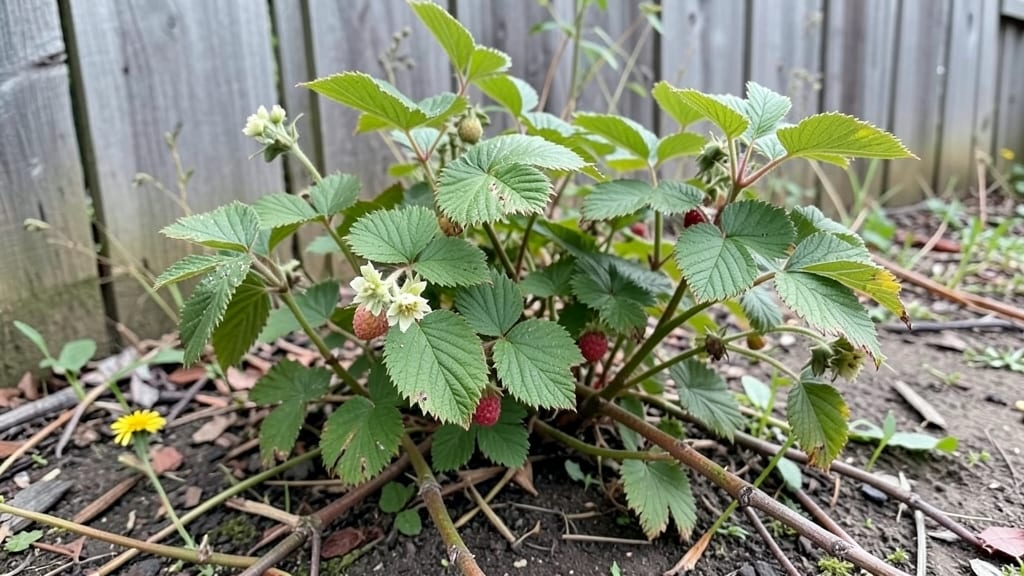
Raspberry plant flowers are the secret to a bountiful harvest 🍇 — but many gardeners miss the best time to encourage them.
Did you know that those delicate blooms determine how many berries you’ll pick this summer? A single missed step in their care can mean the difference between a handful of raspberries and a full basket.
The good news? With the right timing and a few simple adjustments, you can boost your plant’s flowering and triple your yield.
Whether you’re growing summer-bearing or fall-bearing varieties, understanding when and how raspberries flower is the key to a productive patch. From pruning strategies to soil nutrition, I’ll walk you through everything you need to know to set your plants up for success.
Ready to turn those blossoms into berries? Let’s dive into the science—and the simple tricks—that will keep your raspberry flowers happy and your harvest growing.

When do raspberry plant flowers bloom & what it means for your harvest
Raspberry plant flowers are the gateway to a bountiful harvest, but their blooming schedule varies dramatically between summer-bearing and fall-bearing varieties.
For summer-bearing types like Boyne or Heritage, flowers appear in late spring (May-June in most US zones), while fall-bearing varieties like Caroline or Autumn Britten bloom in summer (July-August). This timing directly impacts when—and how much—fruit you'll harvest.
The flower anatomy of raspberries is fascinating: each flower cluster (called an inflorescence) holds 20-50 tiny blossoms. Only one-year-old canes (primocanes) produce flowers on fall-bearing varieties, while two-year-old canes (floricanes) bear flowers on summer-bearing types. Understanding this helps you predict harvest windows and plan your garden layout accordingly.
Here's the key insight: Flowering time determines harvest timing. Summer-bearing varieties produce fruit from the previous year's growth, so their flowers appear early to fruit early. Fall-bearing varieties fruit on new growth, blooming later for a second harvest in fall.
This dual-flowering pattern is why some gardeners prefer fall-bearing types—they give you two crops per year!
Regional climate adjustments are critical. In USDA Zone 5, flowering may delay until June due to cooler springs, while Zone 9 gardeners might see blooms as early as April. Late frosts after flowering can devastate buds, so knowing your last frost date helps time protective measures like row covers.
Did you know? Raspberry flowers are perfect flowers, meaning each contains both male and female reproductive parts. While they can self-pollinate, attracting bees and other pollinators with native flowers nearby can increase fruit set by up to 30%.
This simple step often gets overlooked but makes a huge difference in yield.
Let's break down the seasonal blooming timeline with this quick reference:
| Variety Type | Flowering Window | Fruiting Window | Key Canes | US Zone Notes |
|---|---|---|---|---|
| Summer-bearing | Late spring (May-June) | Summer (July-August) | 2-year-old floricanes | Zone 4-8: May-June |
| Fall-bearing | Summer (July-August) | Fall (September-October) | 1-year-old primocanes | Zone 5-9: July-August |
| Ever-bearing | Spring + Fall | Summer + Fall | Both floricanes & primocanes | Zone 6-10: May + Sept |
| Day-neutral | Continuous (spring-fall) | Spring-fall | All canes | Zone 5-9: April-Oct |
The flower-to-fruit transition is where many gardeners lose potential harvests. After pollination, it takes about 30-45 days for flowers to develop into ripe raspberries. During this time, your plants need consistent watering (1-1.5 inches per week) and balanced fertilization (10-10-10 NPK ratio) to support fruit development.
Watch for flower cluster health: dark green buds indicate strong growth, while pale or yellowing flowers suggest nutrient deficiencies (often phosphorus or potassium) or pests like spider mites. Removing affected clusters early prevents energy waste and improves overall plant vigor for the next flowering cycle.
For northern climates (Zones 3-5), extend your growing season by choosing early-flowering varieties like Nova or Boyne. These adapt better to cooler springs. In southern climates (Zones 8-10), focus on heat-tolerant types such as Dorman Red or Natchez that thrive in warmer conditions without flower drop.
Pro tip: Prune old canes immediately after harvest to redirect the plant's energy toward next year's flower buds. This simple step can increase your next season's bloom count by 25-40%. Just remember—never prune more than one-third of the canes at once to avoid shocking the plant.
Understanding your raspberry plant's flowering calendar transforms guesswork into a predictable harvest strategy. By aligning your care routine with these natural cycles—from spring blooms to fall fruiting—you'll enjoy raspberries that are larger, sweeter, and more abundant than ever before.
5 Proven ways to encourage more raspberry plant flowers this year
Raspberry plant flowers are the gateway to a bountiful harvest, yet many gardeners struggle to maximize their blooms. The key lies in understanding raspberry plant care during critical growth stages.
By focusing on pruning techniques, soil nutrition, and watering consistency, you can transform a sparse flowering season into a lush, productive one. Let’s explore science-backed methods to boost those raspberry flowers and ensure your bushes thrive.
One of the biggest mistakes gardeners make is overlooking the NPK ratio in their soil. Raspberries thrive with a balanced approach—too much nitrogen can lead to leafy growth at the expense of flowers, while too little phosphorus can stunt bloom development.
Pair this with proper pruning and pollinator-friendly practices, and you’ll see a dramatic difference in your raspberry plant flowers this season. Let’s dive into the top five strategies to get your bushes blooming like never before.
- 🌱 Prune in Late Winter: Remove old canes (2+ years) and thin new growth to 6-8 strong canes per plant. This redirects energy to flower production.
- 💧 Water Deeply Weekly: Aim for 1 inch of water per week, focusing on root zones. Dry soil stresses plants, reducing raspberry flowers.
- ☀️ Boost Soil NPK: Use a 10-10-10 fertilizer in early spring and mid-summer to support flowering and fruit development.
- 🐝 Attract Pollinators: Plant bee-friendly flowers like lavender or borage nearby. Raspberries rely on bee pollination for fruit set.
- ❄️ Protect in Winter: Mulch canes with straw or leaves (6+ inches) to insulate roots. Cold damage weakens next year’s blooms.
Start with pruning in late winter, right after the last frost but before new growth begins. This is when raspberries are dormant, making it the ideal time to remove old canes (those that fruited last year) and thin out weak or crossing canes.
Aim to leave 6-8 healthy canes per plant—this ensures each cane receives enough nutrients to produce abundant raspberry plant flowers. Avoid pruning too early, as this can expose canes to frost damage.
Next, focus on soil nutrition by applying a balanced fertilizer (like 10-10-10) in early spring and again in mid-summer. Raspberries need phosphorus for root and flower development, so avoid high-nitrogen fertilizers, which promote leafy growth at the expense of blooms.
Pair this with organic matter, like compost, to improve soil structure and water retention—critical for flowering raspberry plants.
Don’t underestimate the power of consistent watering. Raspberries need 1 inch of water per week, especially during flowering and fruiting. Water deeply in the morning to reduce evaporation and fungal risks.
Mulch around the base to retain moisture and regulate soil temperature, which encourages more raspberry plant flowers to form.
Finally, create a pollinator-friendly garden by planting native flowers like lavender, bee balm, or clover near your raspberries. Bees and other pollinators are essential for raspberry flower fertilization, leading to better fruit set. Avoid pesticides during blooming season, as they can harm these crucial visitors.
Avoid these common mistakes: over-pruning (which reduces flowering canes), ignoring soil pH (ideal range: 5.5–6.5), or skipping winter protection, which weakens next year’s growth. With these 5 proven techniques, your raspberry bushes will burst into vibrant flowers and deliver a harvest you’ll be proud of! 🍇