Plants
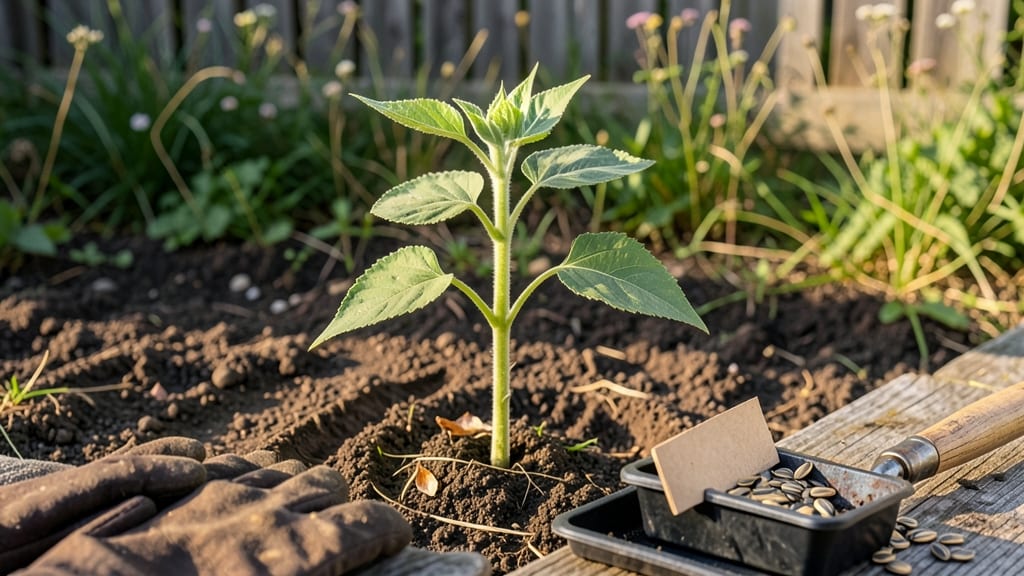
To plant sunflower seeds in NC, aim for mid-April to early July for summer blooms or late July to early September for fall varieties—timing is everything for those towering 🌻 stalks.
Picture this: you’ve just sown your seeds, only to watch them wilt under a late frost or bolt in the heat. That’s why NC’s USDA zones 6b-8a demand precision—soil temps must hit 55°F or higher for germination, and coastal areas play by different rules than the Piedmont.
Here’s the game-changer: a heat-zone map tailored to your corner of NC, plus how to adjust for sunflower types (giant, dwarf, or oilseed) and avoid common pitfalls like slow starts or stunted growth.
You’ll learn exactly when to plant, how to prep soil for perfect germination, and what to watch for—so your sunflowers go from seed to sky-high success.
NC sunflower planting calendar by heat zone (USDA 7a-8b)
North Carolina’s diverse climate—from the coastal plains to the mountain regions—means sunflower planting times can vary by 2-3 weeks depending on your USDA zone. In zones 7a-8b, soil warmth and frost dates create distinct windows for ideal germination (70-90°F).
Miss these timelines, and you risk stunted growth or bolted seeds before harvest.
For USDA 7a (e.g., Asheville, Boone), aim for late April to early June for summer blooms, while USDA 8b (e.g., Raleigh, Fayetteville) can start as early as mid-March in protected microclimates.
Below, I’ve broken down weekly planting windows tailored to NC’s heat zones, including early, mid, and late-season options for dwarf, standard, and giant varieties.
In USDA 7a, where frosts linger until mid-April, I recommend starting dwarf varieties like ‘Teddy Bear’ (1-3 ft tall) in late April to avoid late-season heat stress. These compact plants mature faster (50-60 days) and can handle summer’s intense sun better than their towering cousins.
For USDA 8b gardeners, the coastal plain’s milder winters allow for earlier sowing. By planting standard varieties (e.g., ‘Moulin Rouge’) in early April, you’ll enjoy July-August blooms—just in time for hummingbird season. Use row covers if nighttime temps dip below 50°F to protect young seedlings.
Giant varieties like ‘Russian Giant’ (12-14 ft) need late-season starts to avoid stem flopping in NC’s summer humidity. In USDA 7b-8a, aim for June 10-25 planting to ensure seed maturity before frost. Stake these tall stalks at 6 inches tall to prevent wind damage.
Don’t overlook fall planting for late-season color! In USDA 8a-8b, sow dwarf or semi-dwarf varieties in late July to early September for October-November blooms. These plants thrive in cooler fall temps and often outperform spring-planted sunflowers in humid NC summers.
Always test your soil temperature with a soil thermometer before planting. Sunflower seeds won’t germinate below 55°F, and slow starts lead to pest vulnerability. In USDA 7a, wait until soil reaches 60°F—usually <
How to adjust planting time for sunflower varieties in NC
North Carolina’s diverse microclimates mean your sunflower timing should differ between the coastal plains and Piedmont mountains. Coastal areas like Wilmington have earlier last frost dates (mid-March), while Asheville’s higher elevation delays planting until late April. This variance affects germination success—seeds need soil temps of 55°F+ to sprout.
Your sunflower variety type also dictates timing. Giant varieties like 'Mammoth' need early planting (April-May) for full maturity, while dwarf types like 'Teddy Bear' can handle late-June starts. Oilseed sunflowers thrive with staggered plantings every 2 weeks to extend harvest.
Here’s how to match your NC region and sunflower type for peak performance:
For continuous blooms, practice succession planting—sow seeds every 2 weeks from May through July. This works especially well for dwarf varieties, which mature faster (60-70 days) than giants (90-120 days). Plant oilseed types in blocks for easier harvest.
Avoid planting giant sunflowers after June 15 in most of NC—they’ll struggle with summer heat stress and may bolt prematurely. Instead, opt for heat-tolerant varieties like 'ProCut' if you must plant late. Always water deeply at planting and mulch to retain moisture.
Pro tip: Use a soil thermometer to confirm temps before planting—cooler Piedmont soils may need row covers for early starts. With the right timing, you’ll enjoy sunflowers from summer through fall, even in NC’s variable climate. 🌻