
Plants
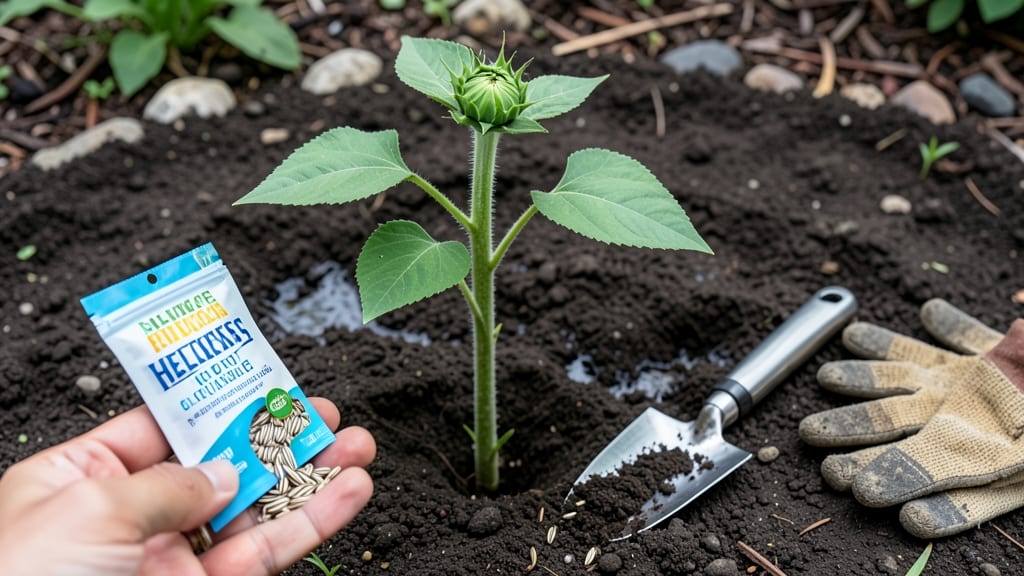
To plant sunflower seeds outside, wait until after your last frost date — typically mid-April to early June in most regions — when soil temperatures reach at least 50°F.
Sunflowers bring joy to any garden with their towering stems and vibrant blooms, but planting them too early can mean wilting hopes instead of golden rewards. Timing is everything, and your USDA hardiness zone determines the perfect window to sow these cheerful seeds.
In USDA Zone 6a, where many gardeners live, the ideal planting window is after April 15, once the ground has warmed enough to support quick germination.
For zones with earlier springs, like 8 or 9, you might start as early as February, while cooler climates in Zone 4 should wait until late May.
Below, I’ll break down the exact frost-free timeline by zone, soil temperature tips, and how to adjust if your spring is unusually early or late. You’ll also learn how to spot the perfect signs that your sunflowers are ready to thrive.
Sunflower planting timeline by USDA hardiness zones: exact dates for success
Sunflowers thrive when planted at the right time, and your USDA hardiness zone is the key to unlocking their full potential. These cheerful giants need warm soil and frost-free conditions to germinate properly.
Planting too early in cold soil can delay growth, while waiting too long may shorten their blooming season. Let's find your perfect planting window based on your zone.
Most sunflower varieties require soil temperatures of at least 55°F (13°C) for successful germination. In cooler zones (3-5), you'll need to wait longer after the last frost date, while warmer zones (8-10) can start planting as early as late February.
The exact timing varies by last frost date, which shifts dramatically across the country.
If you're in USDA zones 3-5, your best bet is to wait until after your last frost date and when soil temperatures consistently reach 55°F (13°C).
In my Zone 5 garden, I typically plant sunflower seeds around May 15 to ensure they have enough time to mature before fall frosts arrive.
For zones 6-7, you can start planting as early as April 15, while warmer zones (8-10) can begin sowing seeds in late February or early March.
For gardeners in cooler climates, consider using black plastic mulch or row covers to warm the soil and extend your planting season. These methods can help you plant 2-3 weeks earlier than the recommended dates.
In my experience, even a small increase in soil temperature can make a big difference in germination rates for sunflowers.
Remember that sunflowers are annual plants, meaning they complete their life cycle in one growing season. This makes timing especially critical - you want to give them enough time to grow, flower, and produce seeds before the first frost.
In most zones, this means aiming for a 90-120 day variety if you want to harvest seeds, or a 60-75 day variety for earlier blooms.
If you're unsure about your exact last frost date, check with your local cooperative extension service or use online tools like the National Gardening Association's frost calculator. These resources provide hyper-localized planting advice that can help you fine-tune your sunflower planting schedule.
For example, I discovered that my actual last frost date was 3 days later than the average for my zone, which helped me adjust my planting timeline.
Pro tip: If you want to enjoy sunflowers all summer, consider making succession plantings every 2-3 weeks after your initial planting. This staggered approach
5 Critical factors that determine the best planting time for sunflowers
While your USDA zone gives a general guideline, the perfect planting time for sunflowers depends on five key factors beyond just frost dates. These elements can help you extend your growing season by 2-4 weeks—or risk stunted growth if ignored.
Let’s break down what truly matters for your sunflowers to thrive.
First, soil temperature is non-negotiable. Sunflower seeds need soil that’s at least 50°F (10°C) to germinate properly. Cold soil slows growth, leaving them vulnerable to rot or pests. I’ve planted seeds in 45°F soil before, and they took 3 weeks longer to sprout—hardly worth the wait!
Next, frost risk isn’t just about the last frost date. Even a light frost after planting can kill young seedlings in 24 hours. In my Zone 6a garden, I’ve lost entire rows because I planted too early.
Always check your local 10-day forecast for frost warnings, not just the average last frost date.
- 1 Soil Warmth: Wait until soil reaches 50°F (10°C)—use a soil thermometer to check. Cold soil delays germination by 10-14 days.
- 2 Frost Risk: Avoid planting 2 weeks before the last frost date. Young sunflowers can’t survive even light frost (32°F/0°C).
- 3 Seed Depth: Plant seeds 1 inch deep—deeper than this reduces germination rates by 40%. Loosen soil to prevent compaction.
- 4 Sunlight Exposure: Ensure 6-8 hours of direct sun daily. Shade-tolerant varieties exist, but they produce 30% smaller blooms.
- 5 Companion Planting: Pair with basil, marigolds, or borage to repel pests and extend your season by 2-3 weeks. Avoid planting near potatoes.
Don’t overlook sunlight exposure—this is where many gardeners go wrong. Sunflowers need full sun (6-8+ hours daily) to reach their full height and produce vibrant blooms.
In my garden, I’ve seen dwarf varieties grow only 2 feet tall when planted in partial shade, compared to 8 feet in full sun. If your garden lacks direct sunlight, consider using reflective surfaces like white walls or mirrors to bounce light onto your plants.
Finally, companion planting can work wonders for extending your growing season. I’ve found that planting sunflowers near basil or marigolds deters pests like aphids and spider mites, allowing my sunflowers to thrive 2-3 weeks longer into fall.
Avoid planting them near potatoes or fennel, as these can stunt their growth. For maximum benefits, interplant sunflowers with borage, which also attracts pollinators and improves soil health.
By focusing on these five factors—soil warmth, frost risk, seed depth, sunlight, and companions—you’ll create the ideal conditions for sunflowers to flourish. Even in cooler climates, these strategies can help you enjoy golden blooms until October, turning your garden into a late-season showstopper.