
Plants
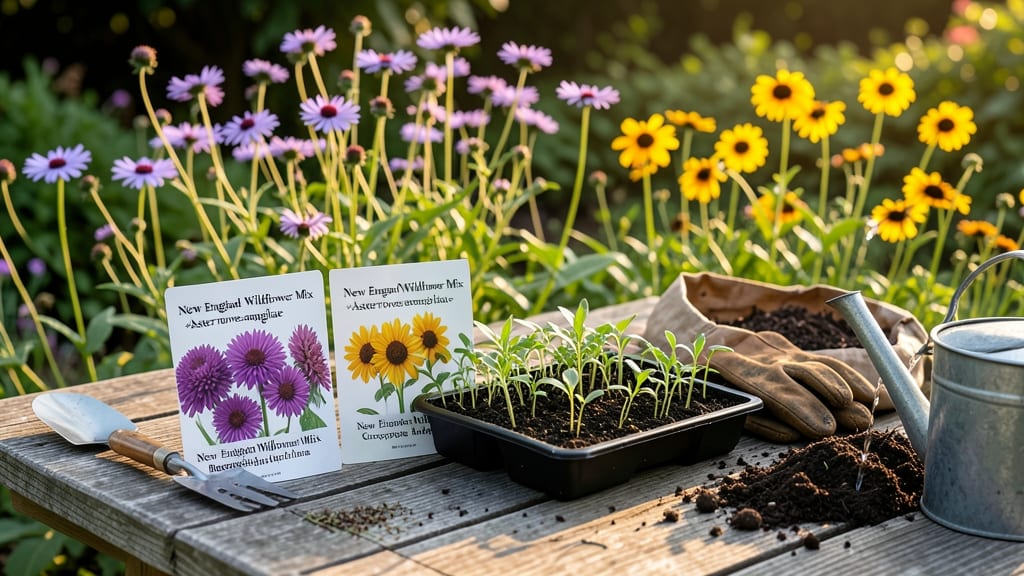
Planting wildflower seeds in New England at the right time means the difference between a burst of color and a season of waiting.
New England’s unpredictable climate can make wildflower gardening a gamble—unless you know the exact planting windows for coastal vs inland regions. Timing your seeds right means the difference between a vibrant meadow and a season of disappointment.
If you’ve ever scattered seeds in early spring only to watch them freeze under late frost, or planted too late in summer and missed the bloom window, you know how critical this step is. The key? Understanding your local frost dates and microclimates—whether you’re in coastal Maine or inland Vermont.
In this guide, I’ll walk you through the best planting months, soil prep tips, and regional secrets to ensure your wildflowers thrive. Let’s turn that patch of soil into a pollinator paradise!
Best planting times for wildflowers in New England’s coastal vs inland zones
New England’s coastal and inland regions have very different growing conditions, and wildflowers thrive when planted at the right time. Coastal areas like Cape Cod and Maine experience milder winters, while inland zones in Vermont and New Hampshire face earlier frosts.
Understanding these microclimates ensures your wildflowers bloom beautifully each season.
For coastal regions, the ideal planting window is slightly later than inland areas. Warmer ocean breezes delay frost, giving you extra weeks to prepare soil and sow seeds. Inland areas, however, require earlier planting to beat the earlier hard frosts that can damage young seedlings.
Soil temperature plays a critical role in germination. Wildflower seeds need soil that’s at least 40°F (4°C) for consistent sprouting. Coastal areas often reach this temperature by early April, while inland zones may need to wait until mid-April or later.
Moisture levels also vary dramatically. Coastal regions benefit from higher humidity, reducing the need for frequent watering, whereas inland areas may require more consistent moisture during dry spells. Preparing your soil with compost ensures better water retention in both zones.
Here’s a quick comparison of planting times, frost dates, and soil conditions for coastal vs inland New England:
| Region | Best Planting Time | Last Frost Date | First Frost Date | Ideal Soil Temp | Moisture Needs |
|---|---|---|---|---|---|
| Coastal (Maine, Cape Cod) | Late March - Early April OR August - September |
Mid-April | Mid-October | 40°F (4°C) | Moderate (humidity helps) |
| Inland (Vermont, NH) | Early April - Mid-April OR Late August |
Late April - Early May | Early October | 45°F (7°C) | Consistent (drier conditions) |
Spring planting is best for most wildflowers because it aligns with natural rainfall patterns and warmer soil. However, fall planting in August-September gives seeds time to establish roots before winter, reducing early spring competition from weeds.
In coastal areas, late March or early April is perfect for spring planting. By this time, the soil has warmed enough to support germination, and the risk of frost has decreased. Inland areas should aim for mid-April to ensure seeds aren’t caught by late frosts.
For fall planting, coastal regions can sow seeds until mid-September, while inland zones should finish by early September. This timing allows seeds to germinate before the ground freezes, giving them a head start in spring.
After planting, lightly water the soil to encourage germination, but avoid overwatering, which can wash seeds away. Mulching with straw helps retain moisture and protect seeds from temperature fluctuations, especially in inland areas where nights can still be chilly.
Monitor your wildflowers closely after planting. Coastal areas may need less frequent watering due to higher humidity, while inland gardens might require weekly watering until seeds establish roots. Once established, most wildflowers are drought-tolerant, making them low-maintenance once they’re thriving.
By aligning your planting schedule with your local microclimate, you’ll enjoy vibrant wildflower blooms from early summer through fall—no matter where you are in New England. 🌼
How to choose wildflower seed mixes for New England’s climate challenges
New England’s diverse climate—from coastal salt spray to inland dry spells—means not all wildflower seed mixes are created equal. The wrong blend can leave you with sparse blooms or weeds instead of pollinator paradises.
To succeed, match your seed mix to your local frost dates, sunlight exposure, and soil type. For example, coastal areas like Maine or Cape Cod need salt-tolerant varieties, while inland Vermont or New Hampshire benefit from drought-resistant mixes.
Start by checking your USDA Hardiness Zone (typically 5a–6b in New England). This determines which wildflowers will thrive year-round. Next, assess your site’s sunlight: full sun (6+ hours) for bold bloomers like black-eyed Susans or coneflowers, while partial shade (3–6 hours) suits wild columbine or foxglove.
Finally, test your soil’s moisture—sandy soils need drought-tolerant mixes, while clay holds water better for moisture-loving varieties.
Here’s how to narrow down your choices: Use this styled list to compare seed mix types based on your specific needs:
- Best for: Inland areas (e.g., Western MA, VT)
- Top picks: Purple Coneflower, Butterfly Weed, Yarrow
- Soil: Well-draining, low organic matter
- Best for: Wet areas (e.g., Rhode Island bogs, NH wetlands)
- Top picks: Swamp Milkweed, Joe-Pye Weed, Blue Flag Iris
- Soil: Clay or peat-rich, high water retention
- Best for: Open fields, 6+ hours of sun
- Top picks: Black-Eyed Susan, Goldenrod, Coreopsis
- Bloom time: June–September
- Best for: Woodland edges, 3–6 hours of sun
- Top picks: Wild Columbine, Bloodroot, Wild Ginger
- Soil: Acidic, leaf mulch recommended
- Best for: Maine, Cape Cod, RI shorelines
- Top picks: Sea Oats, Beach Heads, Saltmarsh Fleabane
- Soil: Sandy, wind-resistant
Once you’ve picked your mix, time your planting to avoid frost. For spring planting, aim for March–April (after your last frost date), while fall planting (August–September) gives seeds time to establish roots before winter.
Pro tip: If your soil is cold or compacted, stratify seeds (mimic winter conditions) for 4–6 weeks before planting to improve germination rates.
Finally, prep your soil by loosening the top 2–3 inches and removing weeds. Scatter seeds lightly (they need light to germinate) and press them into the soil—no deep burial!
After planting, keep the area moist (not soggy) until germination. With the right mix and timing, you’ll have a low-maintenance wildflower meadow that blooms for years with minimal effort.
Ready to transform your yard? Grab a seed mix tailored to your microclimate, and watch your garden come alive with color and life—pollinators included! 🌼