
Planting
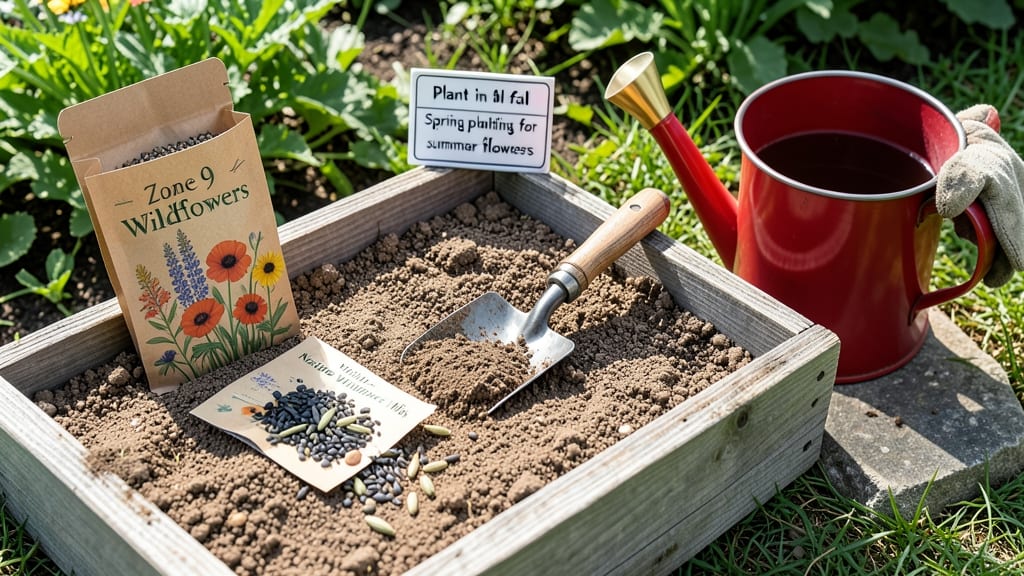
Planting wildflower seeds in Zone 9 at the right time means the difference between a burst of color and a patch of disappointment 🌼 — aim for fall or winter when cooler temps and moisture set the stage for success.
Picture this: you’ve spent good money on seeds, only to watch them bake in the summer sun or get drowned out by spring weeds. That’s why timing is everything in Zone 9’s unique climate, where mild winters and unpredictable rains can make or break your wildflower dreams.
Most gardeners in Southern California, Arizona, or Florida know the drill: scatter seeds in October or November for spring blooms, or try a winter planting in January for a late-spring surprise.
But here’s the catch—coastal areas and inland deserts play by slightly different rules, and I’ll show you how to read the cues.
Inside, you’ll find the perfect planting window for your microclimate, plus pro tips for prepping soil, choosing the right wildflower mixes, and keeping your garden thriving with minimal fuss. Let’s get those seeds in the ground the right way.
Best planting months for wildflowers in Zone 9: seasonal breakdown
Zone 9's mild winters and long growing seasons create perfect conditions for wildflowers—but timing matters. Unlike cooler climates, fall planting is often better than spring because cooler soil temperatures prevent seed dormancy.
This guide breaks down the best months to plant wildflower seeds, including how to leverage rainy seasons and soil moisture for success.
In Zone 9, October through February are the ideal windows for planting wildflower seeds. These months align with cooler temperatures and natural rainfall, which help seeds germinate without drying out.
However, coastal areas and inland deserts may require slight adjustments due to microclimates. Let’s explore the month-by-month breakdown to maximize your wildflower blooms.
🌱 Key Insight: Zone 9’s mild winters mean you can plant wildflowers year-round, but fall and winter are the sweet spots for best germination rates and longer bloom seasons. Here’s how to time it right:
If you’re planting in September, time it with the first autumn rains—this mimics natural conditions and boosts germination. October and November
How to adjust planting times for Zone 9 microclimates
Zone 9’s climate isn’t one-size-fits-all—your coastal garden in San Diego plays by different rules than your inland desert plot in Phoenix. Even within the same city, urban heat islands can push planting times earlier by weeks.
The key? Understanding how microclimates affect soil temperature and moisture, which are the real drivers of wildflower germination.
Most seed packets suggest planting in fall or winter, but that’s a starting point. Coastal areas like Santa Barbara or Tampa stay milder longer, while inland spots like Yuma or El Paso can experience sudden cold snaps.
Elevation also matters—mountain foothills may need 2-3 weeks earlier than valley floors. Let’s break down how to fine-tune your timing for success.
🌱 Zone 9 Microclimate Adjustments for Wildflower Planting
- 🌊 Coastal Areas (e.g., San Diego, Miami): Plant 1-2 weeks later than inland—soil stays warm longer. Aim for November-December to avoid summer heat stress on emerging seedlings.
- 🏜️ Inland Deserts (e.g., Phoenix, Las Vegas): Plant 2-3 weeks earlier (October) to capitalize on fall rains and cooler nights. Use shade cloth if daytime temps exceed 85°F during germination.
- 🏙️ Urban Heat Islands (e.g., Los Angeles, Houston): Adjust planting 1 week earlier than rural areas—pavement and buildings trap heat. Test soil temperature (ideal: 60-70°F) before planting; if it’s above 75°F, wait or use mulch to cool roots.
- 🏔️ Higher Elevations (e.g., Flagstaff outskirts, Catalina Mountains): Shift planting 2-4 weeks earlier (September-October). Frost risk increases after November 15, so prioritize cold-hardy species like California poppies or bluebonnets.
- 🌡️ Soil Temperature Cues: Use a soil thermometer—wildflower seeds need consistent temps between 60-70°F for germination. If your soil runs hotter than 80°F, wait for cooler evenings or plant in partial shade temporarily.
Don’t overlook rainfall patterns—they’re your best natural cue. In Southern California, the first winter rains (usually October-November) signal it’s time to plant. In Arizona, monsoon moisture in July-August can trigger a summer planting window for fast-growing annuals like cosmos or zinnia.
Always check local NOAA forecasts for 7-day precipitation predictions before committing to a planting date.
Pro tip: Stratify seeds if you’re planting early. Many native wildflowers (like lupine or milkweed) need a cold-moist period to break dormancy. Mix seeds with damp sand in a sealed bag and refrigerate for 2-4 weeks before planting in September for a head start.
Finally, elevation matters even within short distances. A garden at 1,000 feet in Tucson may experience 10°F cooler nights than one at sea level. Use this rule of thumb: Add 1 day of planting delay per 100 feet of elevation gain.
For example, if your neighbor plants in early November at sea level, aim for mid-November at 500 feet.
With these adjustments, your wildflower meadow will thrive year-round—whether you’re battling coastal fog, desert heat, or urban concrete jungles. Happy planting! 🌻