
Plants
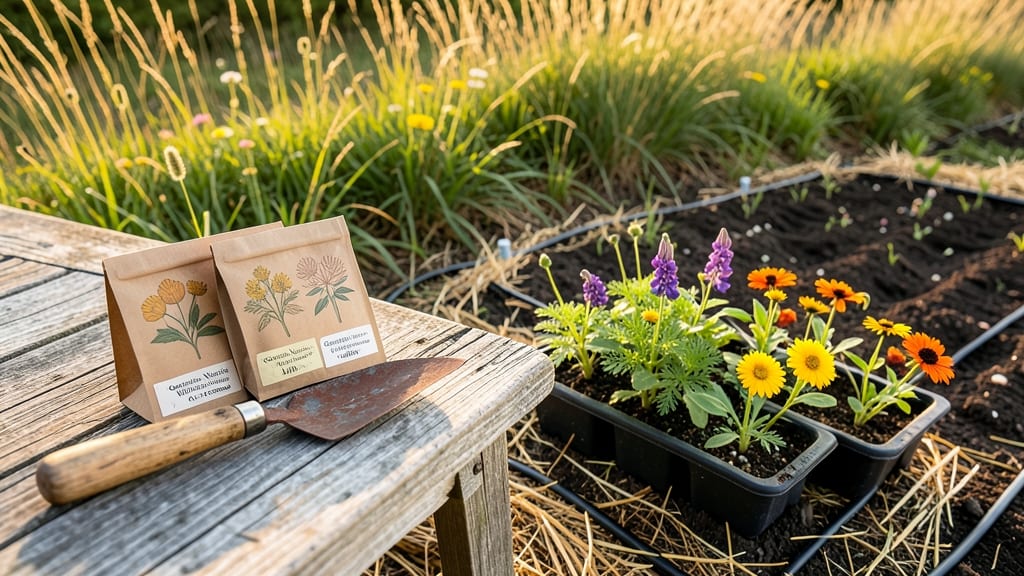
To plant wildflower seeds in Georgia at the best time, aim for late winter through early spring or fall, when soil temps and moisture align perfectly for germination.
Georgia’s diverse climate—from coastal marshes to mountain meadows—means wildflower planting timing can make or break your meadow’s success. Plant too early, and frost will wipe them out; too late, and summer heat may stunt growth.
Fall planting, especially in September or October, gives seeds a head start by establishing roots before winter. This strategy works best in Georgia’s 7a-9a zones, where cooler temperatures reduce competition from weeds.
Below, I break down the ideal months for each microclimate, soil prep tips, and how to choose the right wildflower mixes for your region—so you get a vibrant, long-lasting display year after year.
Georgia’s 5 microclimate zones & their ideal wildflower planting windows
Georgia’s wildflower success hinges on understanding its five distinct microclimates, each with unique frost patterns and soil conditions. From the cool mountain valleys of North Georgia to the humid Coastal Plain, timing your planting window ensures seeds germinate when conditions are perfect.
I’ll break down each zone’s ideal planting months, frost dates, and soil prep secrets to maximize your wildflower meadow’s potential.
Native wildflowers like Black-Eyed Susans and Purple Coneflowers thrive when planted during their zone’s optimal window. Fall planting in most regions gives seeds time to establish roots before winter, while spring planting in the Coastal Plain avoids summer heat stress.
Let’s dive into the specifics for each zone to help you choose the perfect time for your location.
Key factors to consider: average last frost date, soil moisture levels, and native species adapted to each region. For example, North Georgia’s higher elevations experience frost until mid-April, while the Wiregrass region can plant as late as November without frost risk. Understanding these differences is critical for success.
For North Georgia mountains (USDA zones 6b-7a), aim to plant wildflower seeds between late August and early October. This window allows seeds to germinate before mid-November frosts hit.
The region’s cool nights and acidic soils favor native species like Cardinal Flower and Goldenrod. Always amend heavy clay with compost to improve drainage and aeration before sowing.
The Piedmont region (zones 7a-8a) offers a slightly longer planting window from September through early October. With warmer days and cooler nights, this zone supports a mix of Black-Eyed Susans and Coreopsis.
Test your soil pH (ideal range: 6.0-7.0) and loosen compacted soil to prevent seedling stress. Spring planting is also viable here if you sow in early March after frost risk passes.
Metro Atlanta (zones 7b-8a) sits between the mountain chill and coastal heat, making mid-September to late October the sweet spot for planting. The city’s urban heat island effect can extend growing seasons slightly, but don’t push past late October. Focus on drought-tolerant varieties like Purple Coneflower and prepare beds by removing weeds and adding organic mulch to retain moisture.
The Coastal Plain (zones 8a-9a) has the longest frost-free period, allowing planting until early November. This zone’s
Best wildflower seed mixes for Georgia’s climate & how to time them
Georgia’s native wildflowers thrive when planted at the right time and with the right mix for your microclimate. For North Georgia mountains (Zone 7a), aim for September-October fall planting, while Coastal Plain (Zone 8b-9a) gardens can extend sowing into November thanks to milder winters.
My top picks include Black-Eyed Susan (drought-tolerant) and Purple Coneflower (pollinator magnet), both perfect for Georgia’s heat and humidity.
Spring planting works too—just sow in February-March after the last frost. This timing gives seeds time to establish before summer’s peak heat. For Piedmont clay soils, mix seeds with sand or compost to improve drainage.
Coastal areas benefit from drought-resistant varieties like Coreopsis and Blanket Flower, which handle sandy soils and salt spray near the coast.
Fall Planting (Best for Georgia)
Pros
- Cooler temps reduce weed competition
- Seeds germinate with fall rains
- Roots establish before summer heat
Cons
- Late fall sowing may freeze before germination
- Requires consistent moisture until spring
Spring Planting (Alternative)
Pros
- Blooms appear same planting year
- Easier to monitor soil moisture
Cons
- Competes with established weeds
- Summer drought may stunt growth
For Wiregrass region (Zone 8a), prioritize heat-tolerant mixes like Partridge Pea and Firewheel, which bloom even in 100°F+ temperatures. These varieties thrive in well-draining soils and require minimal water once established.
In metro Atlanta (Zone 7b-8a), a blend of Goldenrod, Butterfly Weed, and Milkweed creates a pollinator paradise with minimal maintenance.
Timing adjustments matter: In North Georgia’s higher elevations, plant 2-3 weeks earlier than Piedmont areas to avoid late spring frosts. Coastal areas can sow 1-2 weeks later due to warmer microclimates. Always test soil moisture before planting—seeds need consistent dampness for 4-6 weeks to germinate successfully.
Pro tip: Use a light mulch (straw or pine needles) after sowing to retain moisture and suppress weeds. This is especially critical in summer-planted areas where evaporation is high. For drought-prone Coastal Plain gardens, choose native grasses like Little Bluestem alongside wildflowers to improve soil structure and water retention.
With the right mix and timing, your Georgia wildflower meadow will burst into color from spring through fall, attracting butterflies, bees, and hummingbirds while requiring minimal upkeep. Start with 1-2 pounds of seed per 1,000 sqft for a lush, natural look—just don’t overcrowd!