I’ve always had a green thumb—whether it was sneaking seeds from my grandmother’s garden as a kid or turning my college dorm balcony into a jungle. My family’s small farm in upstate New York taught me that gardening isn’t just about growing plants; it’s about patience, curiosity, and a little bit of magic. Here, I share the lessons I’ve learned along the way, from easy wins for beginners to the quirks that make every garden unique.
Planting flowers in Georgia at the right time means the difference between a garden that thrives all season and one that wilts before it even begins. Georgia’s warm climate and long growing season make it a paradise for…
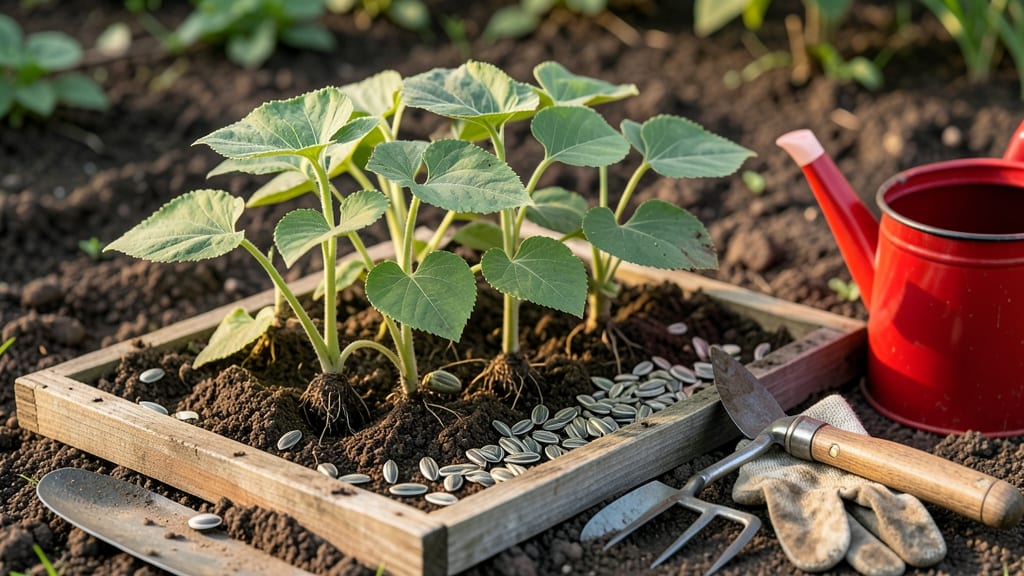
Sow sunflowers after your last frost date in spring — the best time for full-grown stalks depends on where you live, but most gardeners aim for April or May in Zone 6a . Picture this: you’ve waited all winter for those…
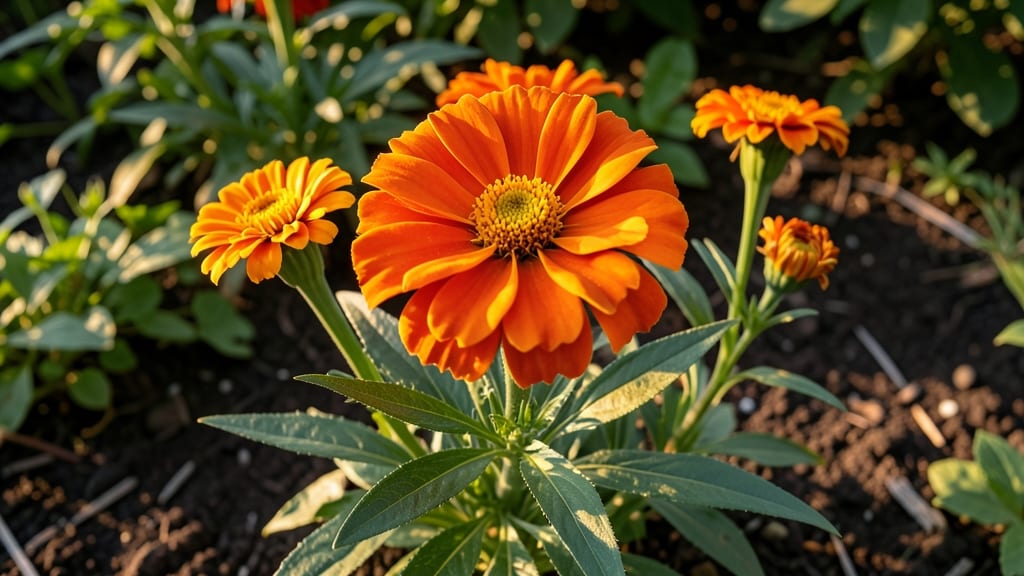
Growing the largest marigold flower 🌼 — blooms that dwarf standard varieties and turn heads in your garden — starts with the right approach to soil, sunlight, and care. Imagine marigolds towering over your garden beds…
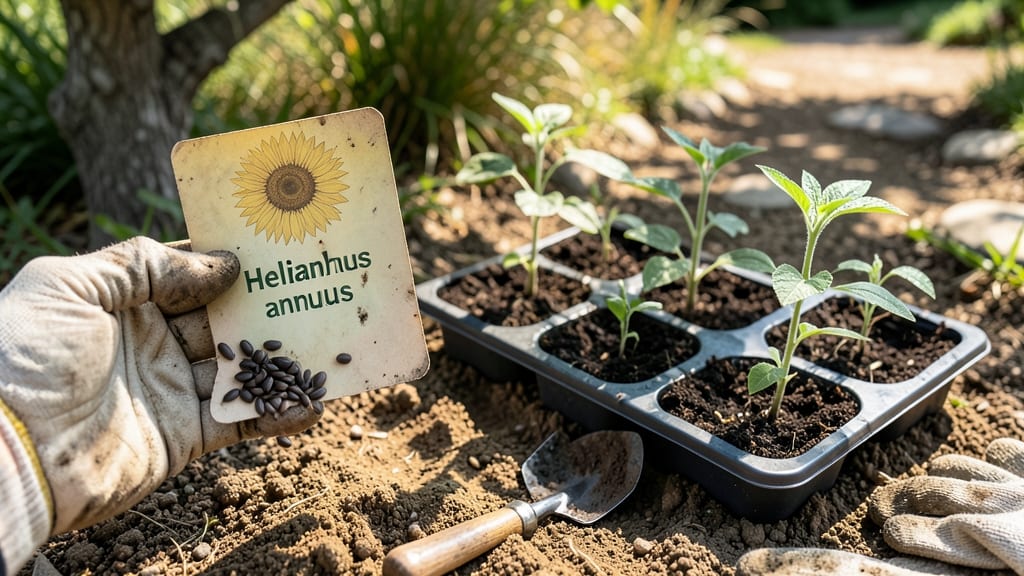
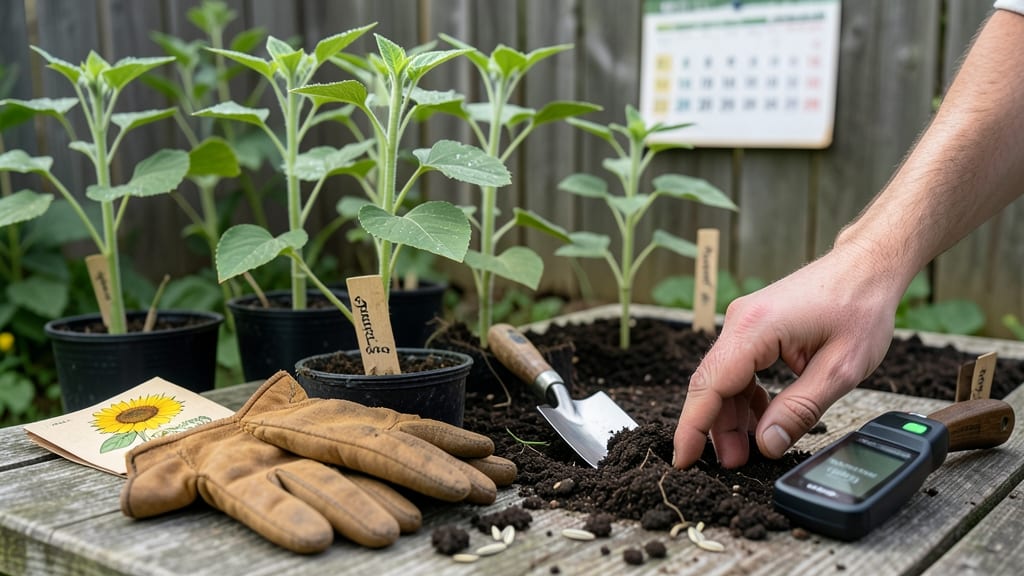
Direct sow sunflowers after your last frost date — when soil temperatures hit 50°F consistently — for the fastest, most vigorous growth 🌻. Picture this: you’ve cleared the garden bed, prepped the soil, and planted your…
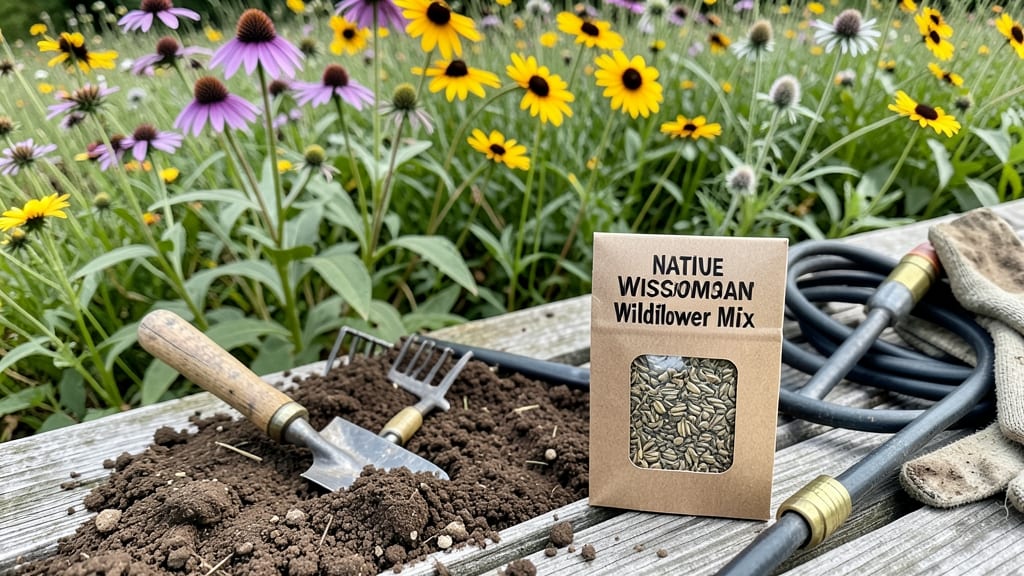
Plant wildflowers in Wisconsin between March 15 and May 15 for spring blooms or September 1 and October 15 for fall prep — timing this right means the difference between a garden that hums with pollinators and one that…
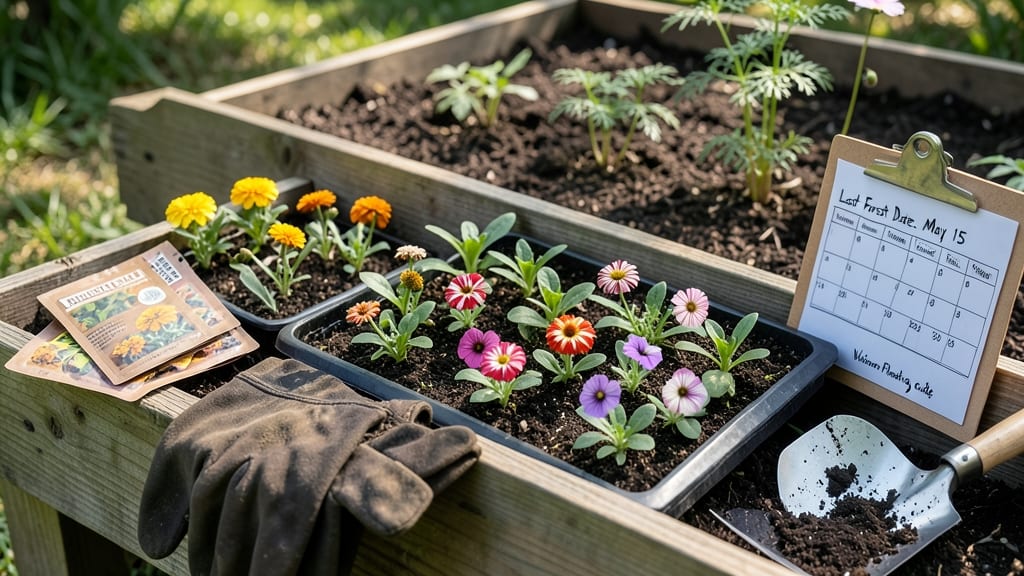
To plant flower seeds in Wisconsin, start indoors 8–10 weeks before your last frost date — typically by early March for most zones, or late February in warmer microclimates. Wisconsin’s unpredictable frost dates and…
Planting sunflowers in Zone 6 after your last frost date—typically mid-April—sets the stage for towering 🌻 blooms that thrive all summer. Sunflowers are a gardener’s joy—bright, easy to grow, and perfect for cutting or…
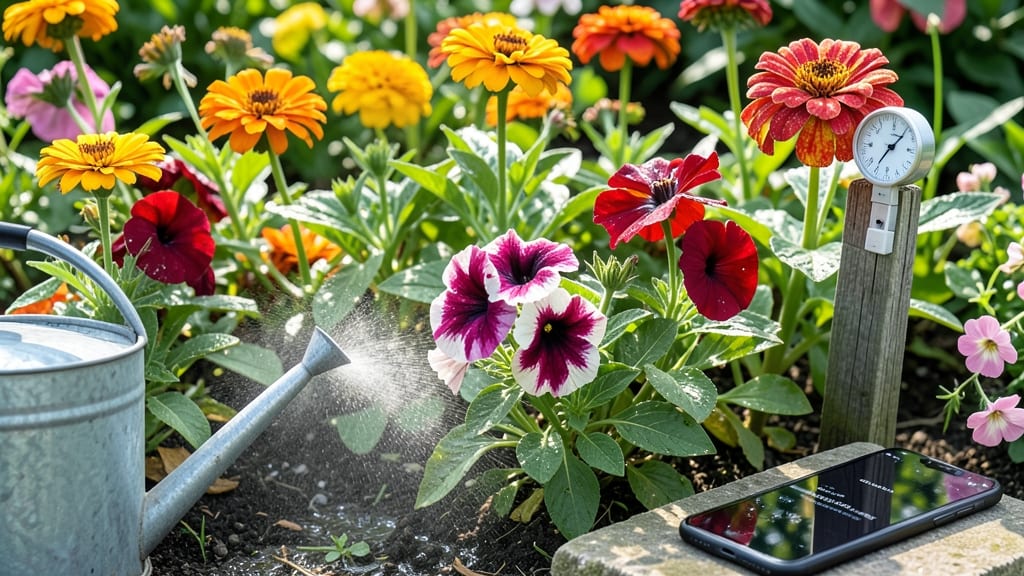
To water flowers outside at the perfect frequency, check soil moisture before you grab the hose—most need 1-2 inches of water per week , but that changes with heat, rain, and plant type. Overwatering or underwatering…
Harvesting sunflowers at the right time ensures you get the best seeds, oil, or blooms for your needs — and missing that window means wasted effort or poor-quality results. Picture this: you’ve nurtured your 🌻…
Sunchokes flower in their second year, typically between June and August depending on your USDA zone, marking the shift from leafy growth to tuber development. If you’ve ever wondered why your sunchokes (Jerusalem…